

The power of an electric bike directly determines its ability to assist you: at start-up, uphill, or during long trips. It is always this power that determines riding comfort, range, and even the legality of the bike according to current regulations.
Are you considering buying an EPAC for fun, rides, or daily commutes? The motor power is one of the key criteria to consider to find an electric bike suited to your use, your build, and your environment.
What is the maximum allowed power for an electric bike?

In France (and in Europe), the maximum allowed power for an electric pedal-assist bike (EPAC) is 250 watts. This motor must only assist pedaling up to 25 km/h. Beyond that, the assistance must automatically cut off.
An electric bike exceeding this power is considered a moped. In that case, it would require insurance, registration, an approved helmet, and license plates.
The real differences between 250 W motors

Even if the motor power is generally limited to 250 W, that does not mean all electric bikes are the same.
To choose the right model, you need to consider:
• to the battery voltage (36V or 48V) which influences the motor's responsiveness;
• to the capacity (Wh or Ah) which affects the range and the ability to maintain assistance over long distances;
• on the type of motor (rear hub, mid-drive) which affects comfort, balance, and power management;
• and motor torque, especially for hills. The higher it is, the easier the bike climbs slopes.
The real performance of your electric bike depends on these technical factors.
Most electric bikes sold today, like those from Granville, Garrett Miller, or Superior, comply with this standard. But their strength mainly lies in their varied performance and versatility.
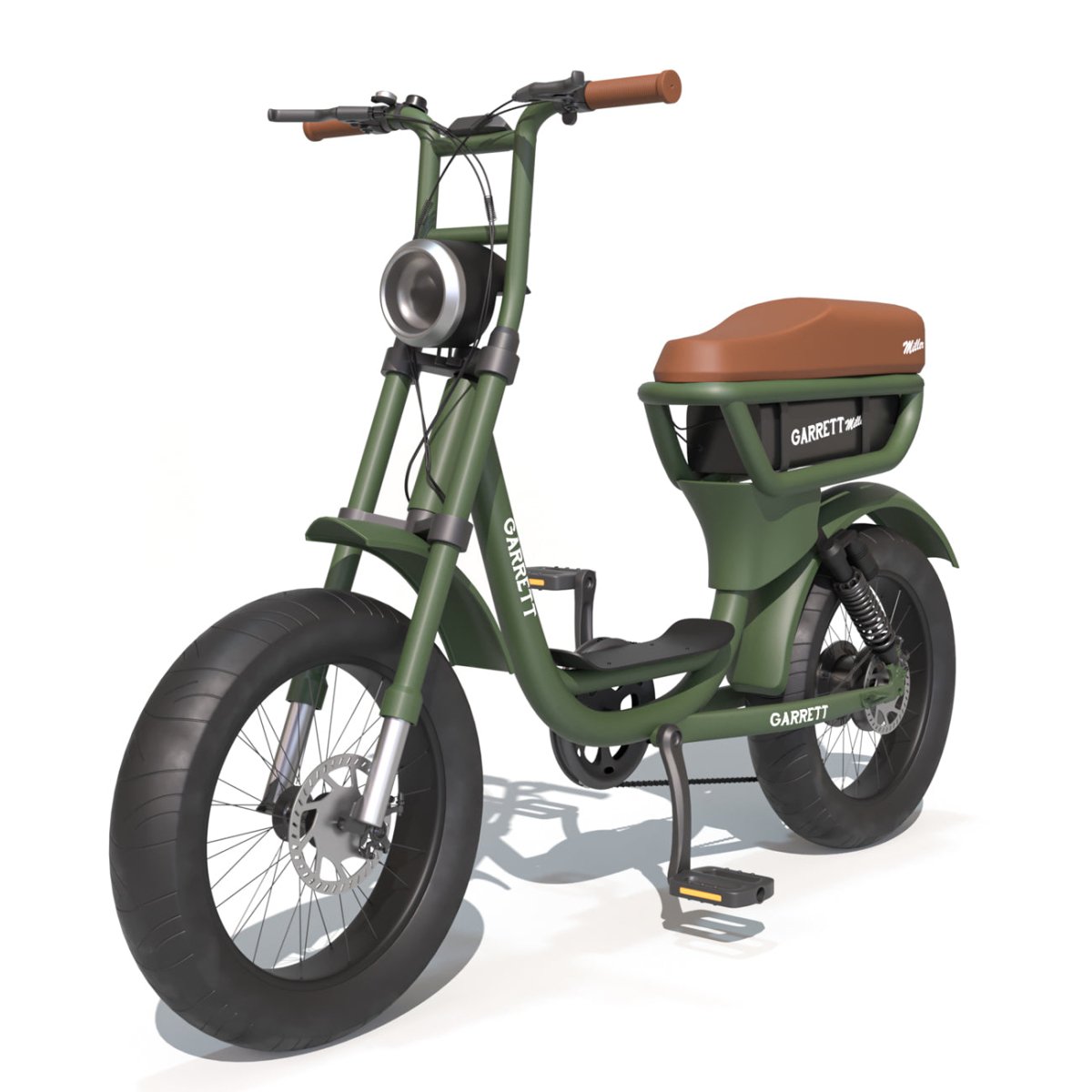
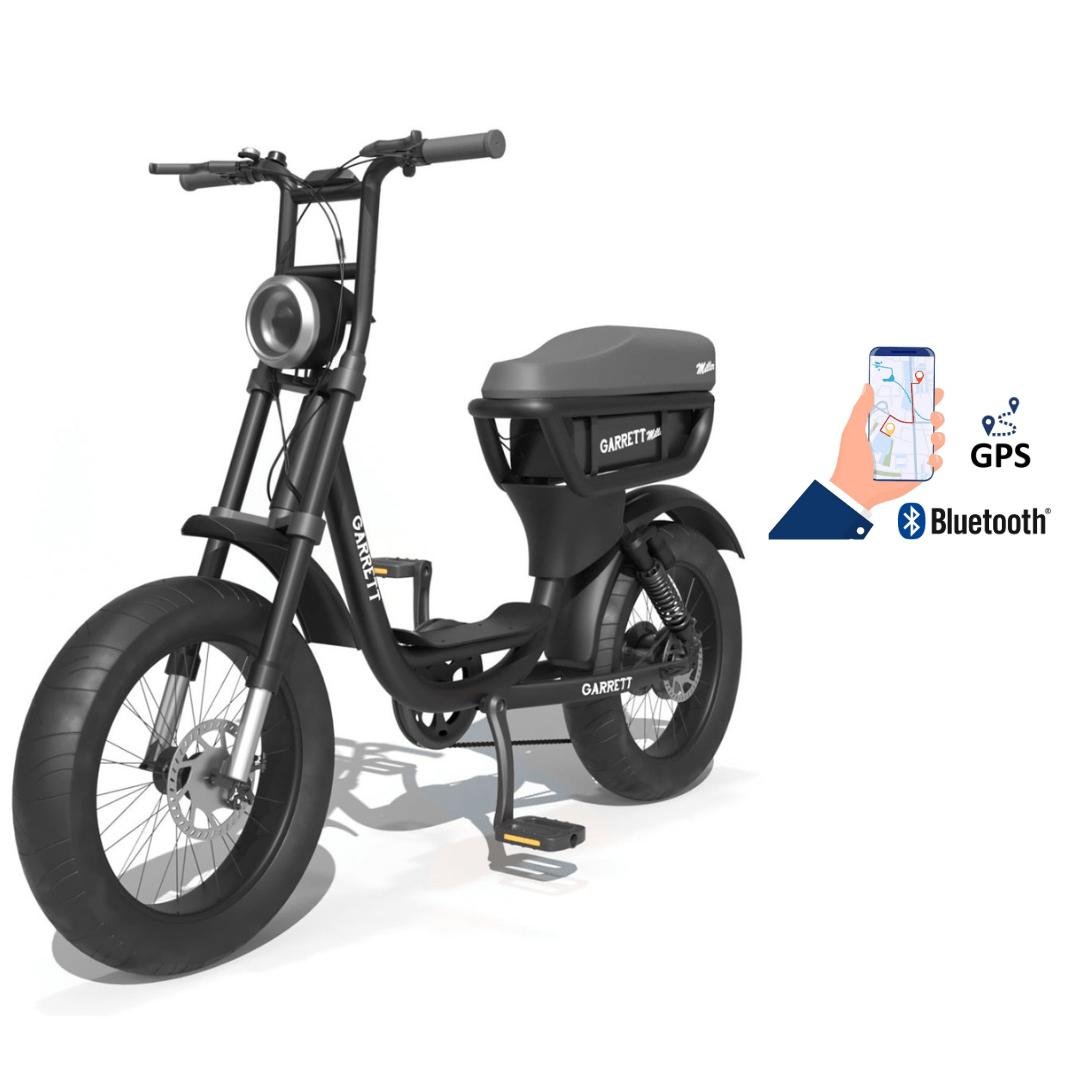
The electric bike models available at Weebot
Here is an overview of the models currently offered on Weebot, all legal (250 W), but with varied technical profiles.
|
Model |
Motor power |
Torque |
Battery |
Max range |
Recommended use |
|
Garrett Miller Urban |
250 W |
NC |
36V - 10Ah |
70 km |
Urban, city |
|
Garrett Miller X |
250 W |
55 Nm |
48V - 15Ah |
70 km |
Mixed, daily commute with uphill |
|
Garrett Miller Z |
250 W |
NC |
48V - 15Ah |
70 km |
Urban + comfort (suspensions) |
|
Superior eXP 9039 |
250 W (Bosch Performance CX) |
85 Nm |
625 Wh |
Up to 120 km |
Off-road, mountain, long-distance hiking |
|
Granville E-Summerside |
250 W (mid-drive motor) |
NC |
500 Wh |
≈ 80 km |
Urban + versatile |
|
Urban Jungle Original |
250 W |
50 Nm |
48V - 15Ah |
80 km |
City + suburban |
How to choose the right power according to your build or your athletic level?

If you are rather light or sporty
A classic 250 W bike with 36V / 10-13Ah battery is sufficient. Assistance remains smooth and you can pedal without excessive effort, even on some hills.
If you are large-sized or used to effort
Choose an electric bike with central motor or high torque (>50 Nm), and 48V or ≥ 15 Ah battery. You will have more progressive assistance, useful on climbs or with loads.
If you carry a passenger or heavy panniers
Bet on a model with good torque and large capacity battery. Electric bike cargo or urban fatbike are perfect: they compensate weight with power and comfort.
Which power to choose according to your use?
|
Need / use |
Recommended power |
Reasoning |
|
Flat urban trips, lightly loaded |
250 W |
Full compliance with regulations and a good balance between range / weight / cost. Good quality equipment. |
|
Regular climbs, small passes, daily use |
250 W + good battery (high voltage or high Ah) |
The motor remains 250 W, but a quality battery allows sustaining effort longer and limiting fatigue. |
|
More intensive use, steep paths, extra weight (load, passenger, luggage) |
A motor > 250 W may seem tempting, but stay within legal limits (except for off-public-road use). |
“Powerful” models may require authorization, insurance, or be intended for use outside standard regulations. |
You got it, 250 W is the confirmed standard for most models. This power is enough for city trips or nature rides. If your routes include slopes, heavy loads, or intensive use, it’s the battery capacity (V + Ah) and motor torque that will change.