

You’ve probably seen a cyclist pass you on a climb, without the slightest sign of fatigue, and wondered: "How does he do it?" "Do you have to pedal with an electric bike?" It’s a legitimate question, especially when talking about electric bikes. Between the idea of an "autonomous" bike that rides by itself and more classic models, it can be hard to know what to expect.
In this article, we will explain to you how an electric bike really works. We will also introduce you to models like the Garrett Miller City, the Onemile Nomad, or the Superior EXR, which perfectly embody this idea of balance between effort and comfort.
How does an electric bike work?

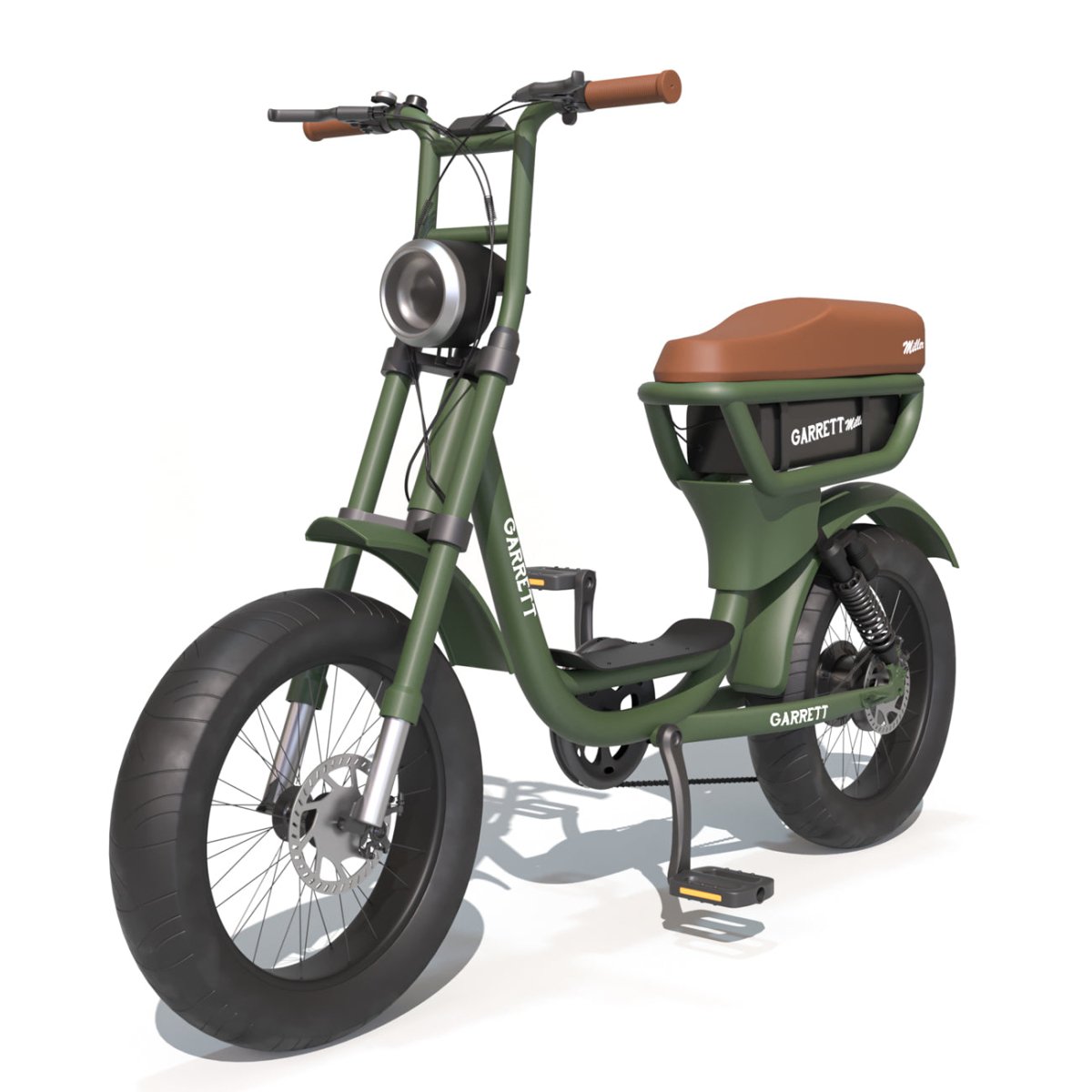
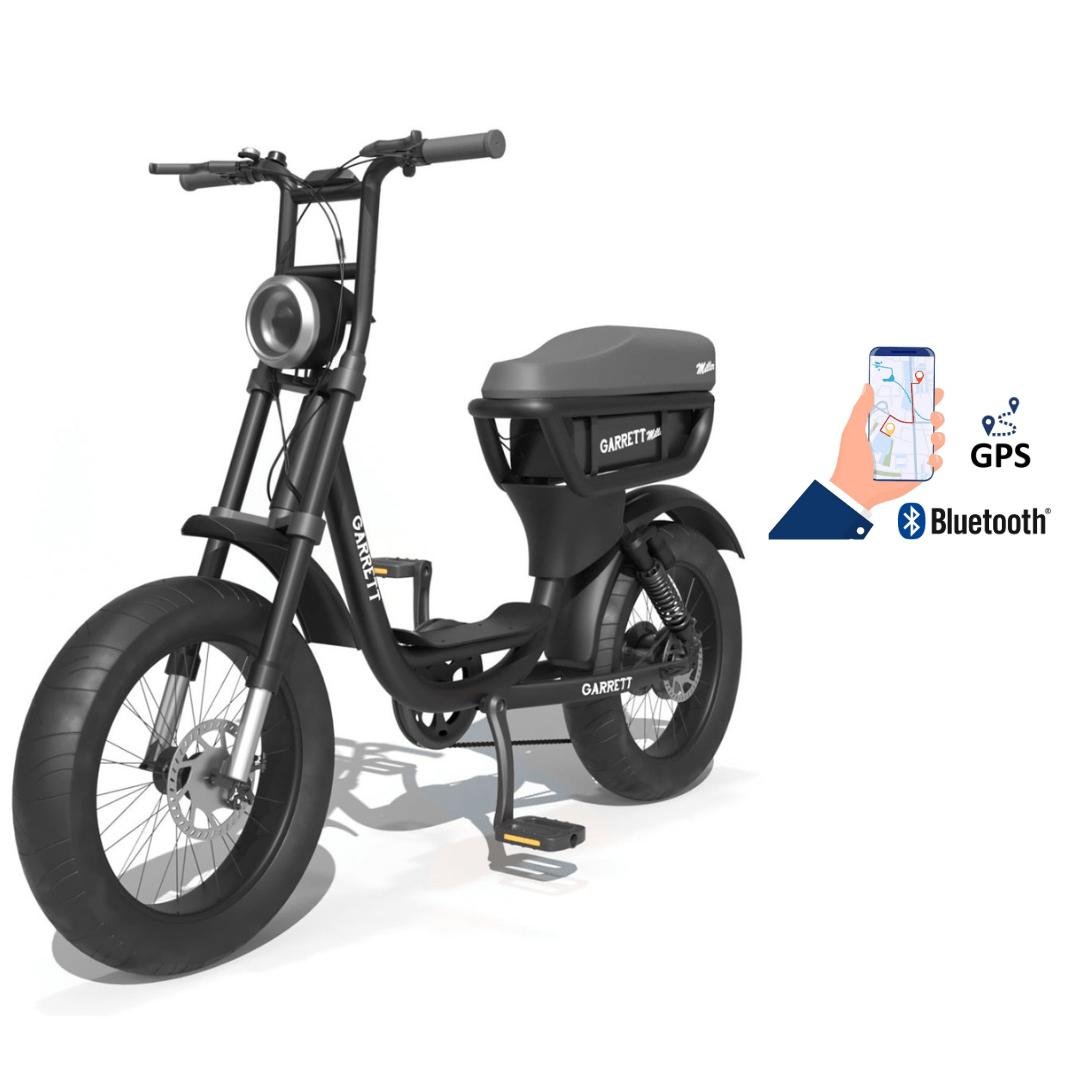
Weebot reassures you right away: yes, you have to pedal, but not in the same way as with a traditional bike. The electric assistance gives you a boost when you need it, without sacrificing the feeling of pedaling. And that’s exactly what makes models like the electric bike Garrett Miller City, the electric bike Folding Onemile Nomad, or the electric bike Hybrid Superior EXR so interesting: each assists you on demand.
These bikes are not disguised scooters. They are real electric bikes, designed to keep you active. We explain everything to you.
An electric bike, not a moped
An electric bike doesn’t move on its own: it requires pedaling action to activate the motor. This is called electric assistance. The motor only kicks in when you pedal, thanks to a torque or rotation sensor placed in the crankset.
The confusion often comes from models that look like scooters, but electric bikes (electric bike) like those offered by Weebot remain 100% compliant with French legislation: no throttle, no automatic propulsion. You always keep control.
The different levels of assistance
What makes the magic of the electric bike is the customization of effort. Modern e-bikes offer several levels of assistance, usually from 3 to 5 modes:
• Eco : to save battery and put in a bit more effort.
• Normal : the perfect balance for urban or mixed use.
• Turbo / Boost: for hills, headwinds, or quick starts.
With a folding electric bike like the Onemile Nomad, you can easily manage your effort, whether in the city or on a trip. And with a hybrid bike like the Superior EXR, you adjust the assistance according to the terrain: forest paths, bike lanes, or hilly roads.
Why pedaling remains a real advantage?
Although the motor of an electric bike is there to assist you, pedaling remains a fundamental advantage. And it's not just a matter of tradition, but a truly enriched experience.

Exercise without excessive effort
One of the biggest advantages of the electric bike is the ability to exercise without overexerting yourself. Unlike a traditional bike where you must provide full effort, the electric bike lets you adjust your effort according to your desires or how you feel that day. You can choose an assistance level that helps you on climbs or against the wind, while still continuing to pedal actively.
This approach lets you enjoy the benefits of cycling, especially for cardio and endurance, without risking exhaustion or discouragement after a few kilometers.
More range thanks to pedaling
Active pedaling helps save battery. Indeed, the more personal effort you put in, the less assistance is required and the more the bike's range is preserved. It's not just about savings: it also allows you to extend your rides throughout the day without having to recharge at every stop.
This makes the electric bike an ideal option for daily commutes or long rides. You will no longer depend solely on the battery to move forward, allowing you to explore longer distances without worry.
Better control and a more natural ride
One of the biggest advantages of pedaling with an electric bike is maintaining full control over the ride. Unlike a scooter or a 100% electric bike, you remain in control of your balance and trajectory.
Pedaling helps you adjust your speed smoothly and naturally, without the sometimes jerky effect of unassisted vehicles. You can also stop or adjust your position in the blink of an eye, which is a big plus on urban roads or more varied terrains.
In the end, pedaling with an electric bike is not just "for the effort," but also to enjoy the advantages of dynamic and modulated riding. You adjust your effort according to your needs and mood, while having a boost to make your trips easier.
How to pedal with an electric bike?

You just bought your very first electric bike, or you are still hesitating because you are afraid of not understanding the workings of this new mode of transport? No worries, the Weebot team explains everything in detail.
#1. Anticipate the motor's power increase
The assistance does not activate instantly: it reacts to the rhythm and force of your pedaling. By pedaling progressively and controlled, you facilitate the motor's work, which will deliver the necessary power smoothly, improving the fluidity of your ride.
#2. Adjust your cadence
Each motor has an ideal cadence range (the number of pedal revolutions per minute) where it works best. By finding this cadence, you maximize the help provided by the motor while reducing energy consumption. Feel free to test different pedaling speeds to discover the one that suits you.
#3. Choose the right gear ratio
The right choice of mechanical gear is essential. For example, uphill, selecting a lower gear makes pedaling easier, allowing the motor to better assist your effort without over-consuming the battery. A bad combination can make the assistance less effective and tire your muscles.
#4. Use the assistance dynamically
On a varied route, playing with the assistance modes depending on the sections (flat, uphill, downhill) is a real advantage. It allows you to keep a good balance between human effort and electric help, while adapting your riding style to each situation.
#5. Maintain an adapted posture for optimal transmission
A well-adjusted posture improves the transmission of your pedaling to the motor. Avoid straining your legs or pedaling forcefully in a bad position: this can reduce the efficiency of the assistance and cause unnecessary fatigue.
Can you ride without pedaling at all?
The temptation is great: why pedal when the motor can do everything for you? The reality is a bit more nuanced, and that is precisely what makes the electric bike special.

The case of throttles / triggers
Some models of electric bikes are equipped with triggers or throttles that allow you to move forward without having to pedal. These bikes, often called speed bikes or electric bikes without pedaling, are quite different from classic electric assist bikes. The motor activates as soon as you engage the throttle, without you having to exert any physical effort.
What does the law say?
However, it is important to note that, according to the legislation in force in many countries, including France, these accelerator bikes are considered electric mopeds and not bikes. They are therefore subject to different regulations, which may include speed restrictions, insurance obligations, and a driving license.
Classic electric bikes, on the other hand, are exclusively pedal-assist bikes, and the assistance only activates when you pedal, which is an essential feature of their legality.
FAQ – The electric bike: your questions, our answers!
Can I pedal like a normal bike?
Yes, absolutely! One of the greatest advantages of the electric bike is that you can pedal completely normally. The motor only activates when you start pedaling, and you have full freedom to choose the level of assistance. If you prefer to ride without assistance, simply turn off the assistance and pedal like a regular bike.
Is the motor assistance adjustable according to the terrain?
Absolutely! Most electric bikes allow you to adjust the level of assistance according to the terrain. Whether you are in the city, in the mountains, or on bike paths, you can increase assistance on climbs or during long distances. This lets you maintain a comfortable ride and preserve your energy while enjoying the scenery!
Is the electric bike suitable for both city and countryside?
Yes, it adapts perfectly to all types of journeys. In the city, you will appreciate its ability to climb hills, avoid traffic jams, and zip through the streets quickly. In the countryside, the assistance will allow you to ride easily on rougher paths or hilly areas without too much effort. It is truly a versatile bike that accompanies you everywhere!
Can I use my electric bike in the rain?
Of course, but with some precautions. Most electric bikes are designed to withstand bad weather, but it is always better to avoid riding in severe weather where visibility and safety could be compromised. Once the rain has passed, remember to dry your bike well and check the electrical components to ensure they are not damaged.
Conclusion
The electric bike invites you to rediscover the pleasure of riding. To reduce effort or increase distance, pedal assistance supports you on your journeys while preserving your autonomy. Understanding how it works, mastering the different assistance modes, and adjusting your riding according to the terrain will not only optimize your comfort but also extend the lifespan of your electric bike.