

The micro-mobility sales figures in France have just been released. The Federation of Micro-Mobility Professionals (FP2M) as well as the Smart Mobility Lab council confirm the sector's growth in 2020 continuing for several years. Personal mobility devices include electric scooters, hoverboards, electric skateboards, electric unicycles, as well as gyropods and mini-scooters. Let's take a closer look at the figures for the year 2020.
1.635 million personal mobility devices sold in France in 2020

Due to the health crisis, the year 2020 was not easy for the entire French and global industry. Nevertheless, the personal mobility device market managed to stand out in France by continuing to grow in 2020 with record sales. Faced with the need for travel by French men and women seeking autonomous mobility solutions, electric personal mobility devices were highly favored.
According to the latest FP2M - Smart Mobility Lab barometer, 1,635,000 personal mobility devices were sold in our territory. This is an increase of 1.2% compared to 2019 despite the Covid-19 crisis and a very sharp drop in activity during the first lockdown between March and April 2020.
Electric mobility catches up with mechanical

Year after year, the electric market is growing in France compared to mechanical mobility. While in 2019, electric was still largely outpaced by its mechanical counterpart, the electric mobility market is on track to surpass it.
With 48% of the market in 2020, the boom in electric mobility, driven by electric scooters, is growing exponentially. With 9% market share in 2016 and 37% in 2019, all indicators are green for electric mobility to surpass mechanical mobility as early as 2022!
Electric scooter number 1 in sales
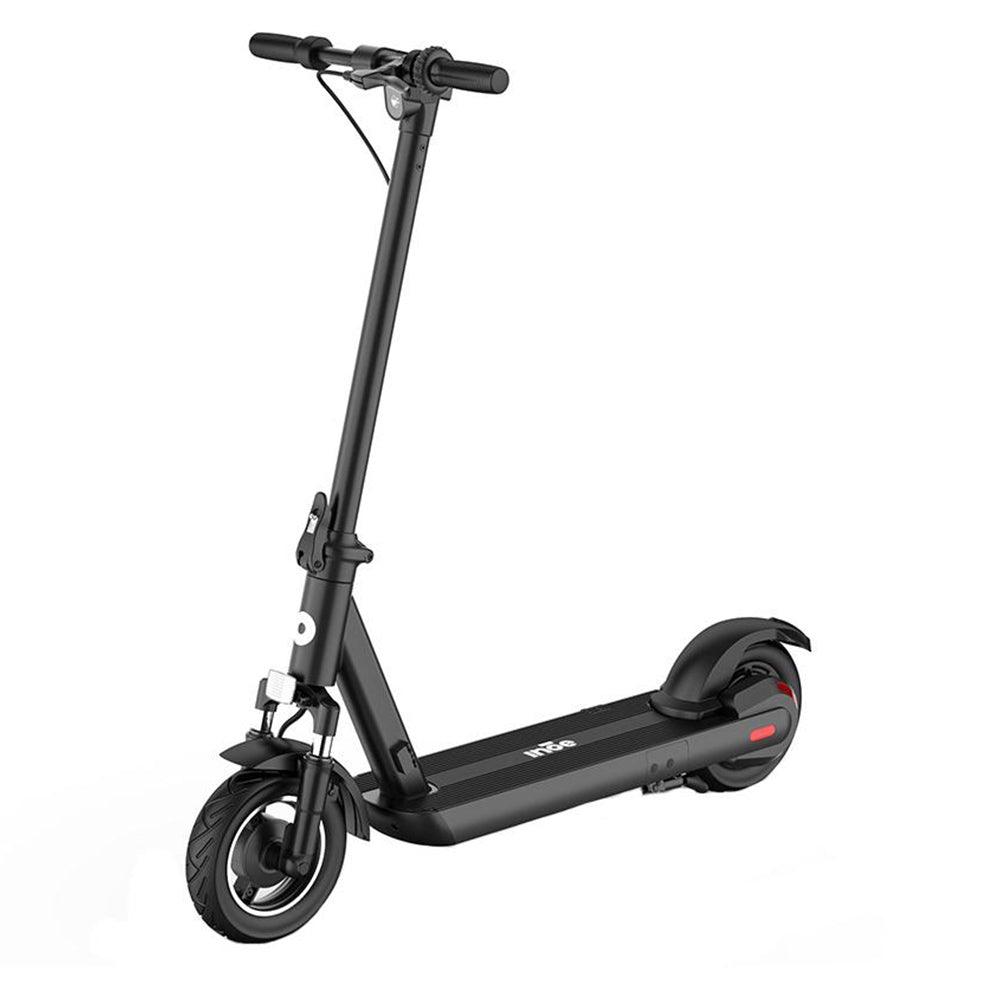
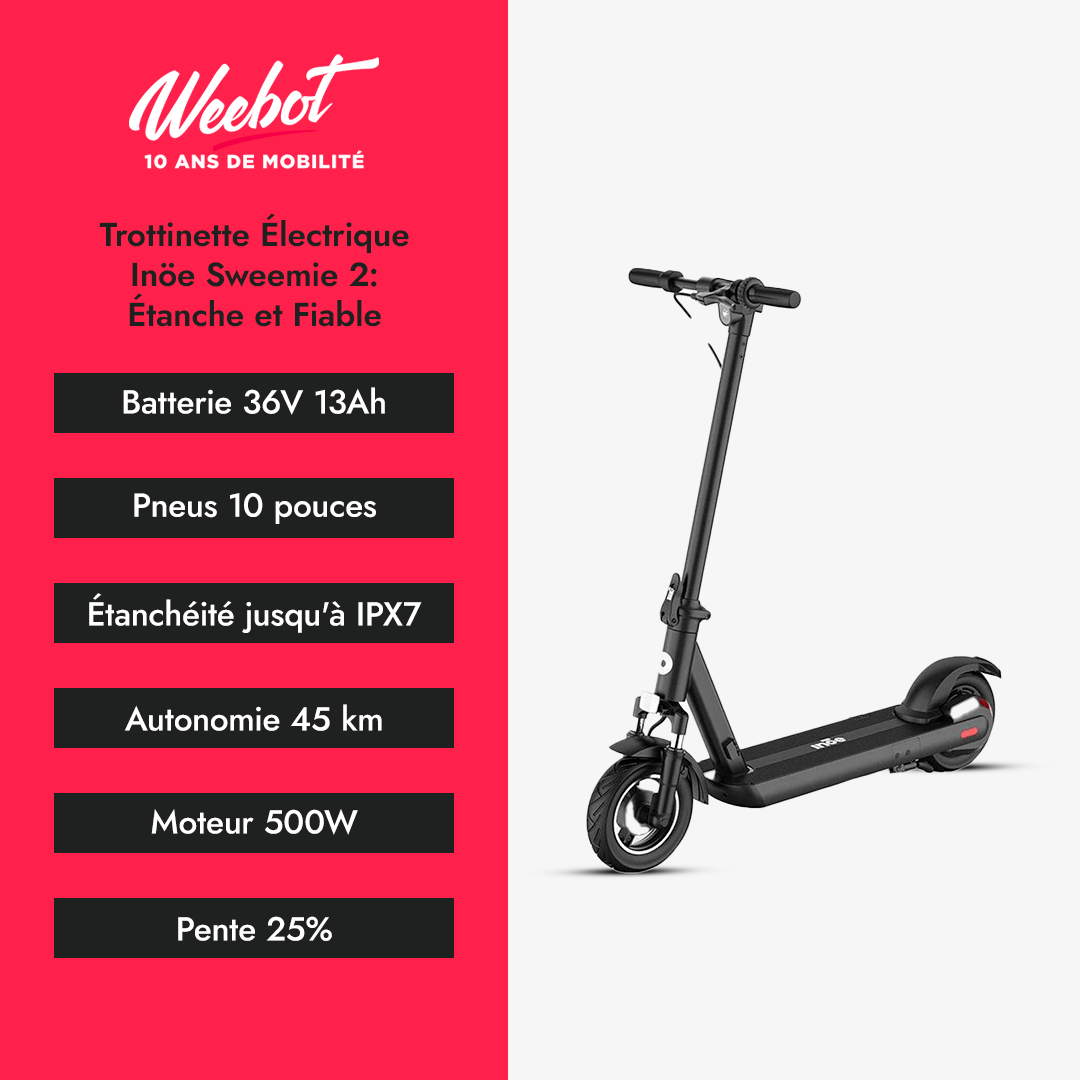
For the second consecutive year, electric scooters top sales across all motor types. With the shortage of electric bikes, electric scooters have established themselves as the preferred ecological travel solution for the French.
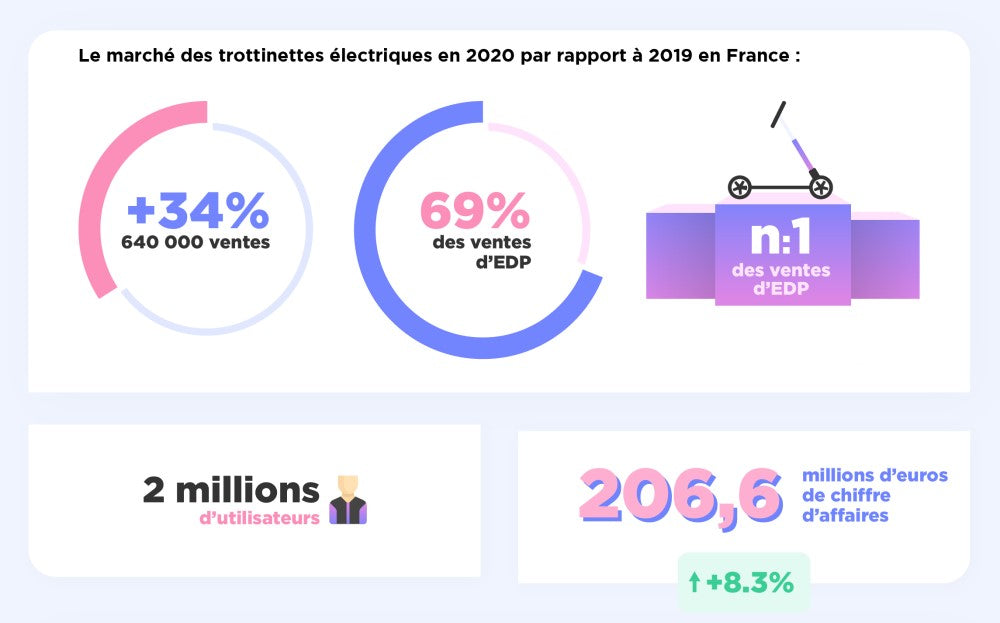
More than 2 million electric scooter users in France
According to Fabrice Furlan, president of FP2M, "the health crisis has popularized the mode of transport that electric scooters represent. From the end of the first lockdown, new users prepared for a new mobility limiting the use of public transport."
Four categories then stood out among these new users:
- Micro-mobility users for leisure with an average spend of 300 euros.
- Regular urban mobility users turning to products between 300 and 500 euros.
- Electric scooter users seeking more comfort, autonomy, and robustness, not hesitating to spend between 500 and 800 euros on a product.
- Intensive urban mobility users able to afford personal mobility devices costing more than 800 euros.
Strong increase in sales of electric unicycles and gyropods

On the side of electric unicycles and gyropods, enthusiasm continues with a very strong increase in sales. With 7,100 electric unicycles sold in 2020, the French are increasingly discovering this very particular mode of transport. It still requires some adaptation time to master this vehicle in urban conditions.
But the most striking growth is that of gyropods. With 5,200 units sold, this represents a 206% increase compared to last year. Often used for rental, this electric two-wheeler is increasingly offered in the tourism sector to easily and ecologically discover places.
Conclusion
From both an economic and environmental perspective, micro-mobility is more than ever a sector that matters! It has also led to the emergence of new professions, especially around repair and recycling. Personal mobility devices represent an ideal compromise between the mobility needs of the French and the requirements of physical distancing.
