

With growing popularity, the electric bike is now an integral part of the urban landscape in France. One question often comes up when considering buying this vehicle: how much does an electric bike cost?
Through this article, we explain the reasons why some models are more expensive than others, the factors that impact the cost, additional fees to anticipate, and the subsidies available to reduce the initial investment.
How much does an electric bike cost in 2026?
Practical and ecological, the electric bike presents itself as an ideal alternative to combustion engine cars. In 2026, the price of an electric bike can vary depending on the range and model chosen. But before starting this topic, let’s first look at the main market trends.

High-end electric bikes: the pinnacle of performance and durability
If you are the demanding type because your electric bike accompanies you on all your wild adventures, high-end models are made for you!
High-end electric bikes have a price above €3000, sometimes going up to €6000 and more; this range is distinguished by more powerful batteries, stronger motors, and frames made of more durable materials.
The premium side will therefore be directly felt in this category, which generally attracts true high-speed enthusiasts.
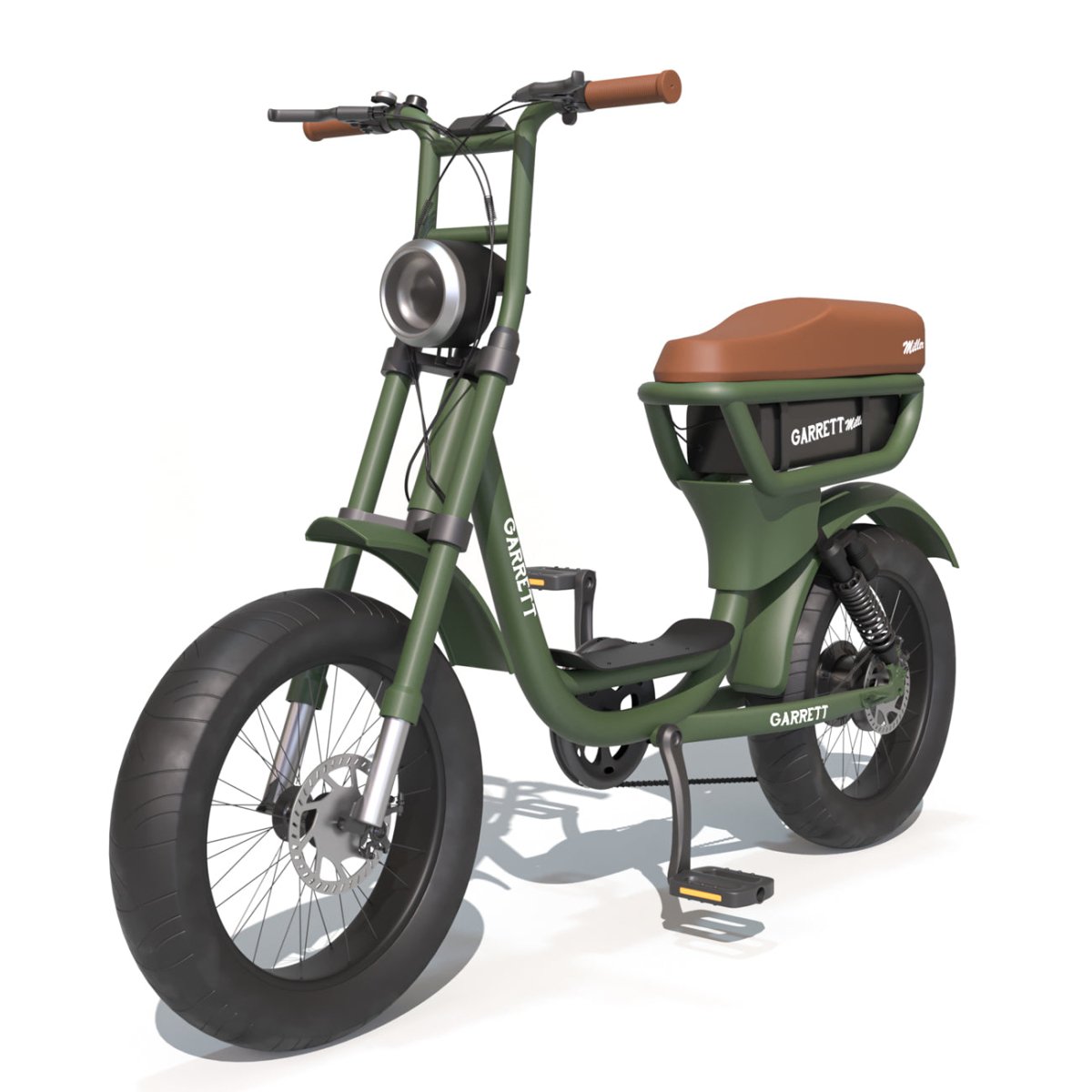
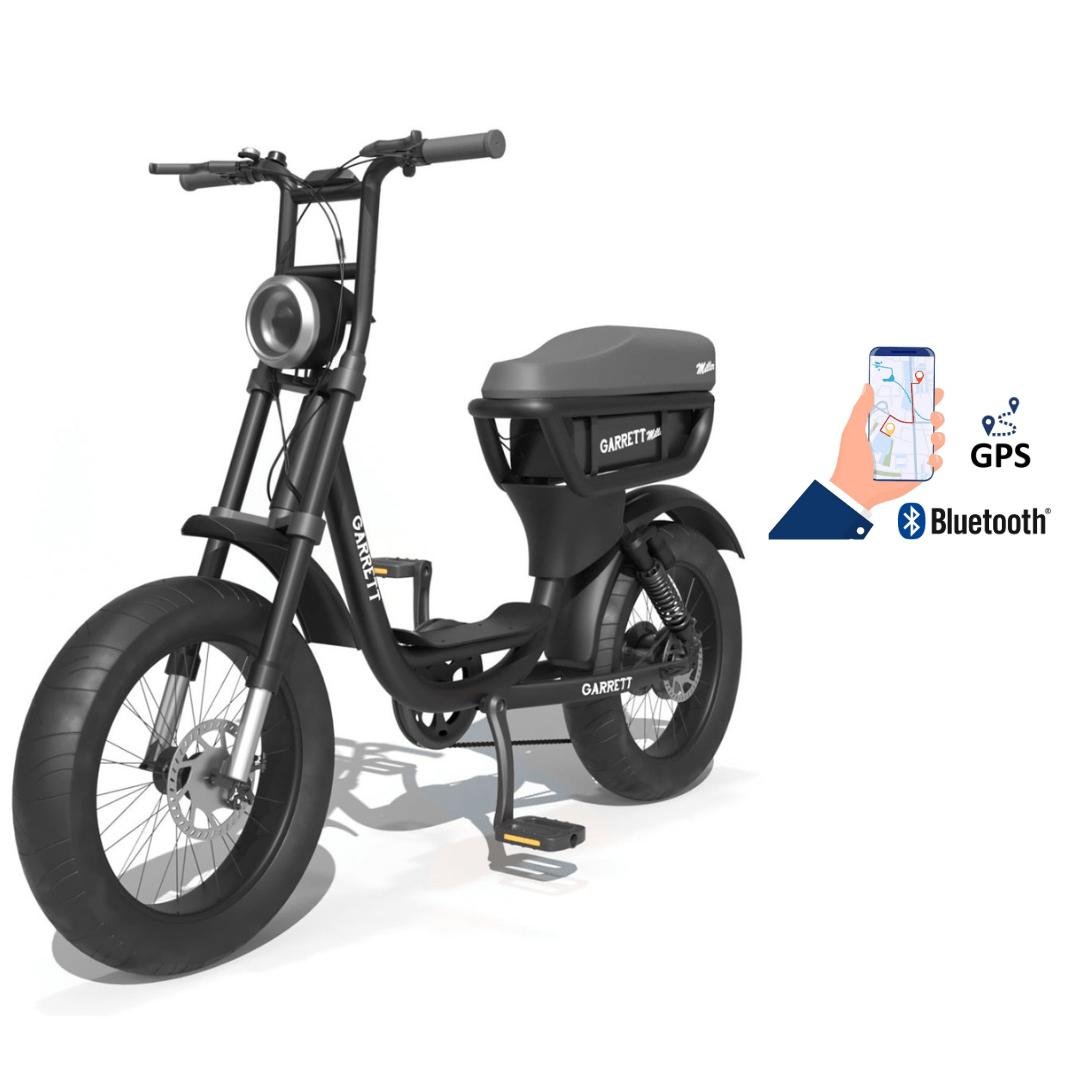
The Garrett Miller Z two-seater cargo electric bike falls into this category. This fully suspended and 100% all-terrain model will delight the most demanding riders. At Weebot, this bike is offered at the lowest market price, at €2790.
Mid-range electric bikes: the compromise category
Falling within a price range of €1500 to €3000, mid-range electric bikes are often well equipped, with satisfactory range and quality components. They are well suited for daily use, combining comfort and reliability to convince any connoisseur in the field.
Entry-level electric bikes: accessible but low-performing
Entry-level electric bikes are both practical and affordable, regularly used for short trips or occasional use. They are mainly aimed at small budgets dreaming of a reliable vehicle, but also at people wishing to discover the joys of the electric bike.
Entry-level electric bikes cost around €500 to €1500, with a range generally under 100 km. And with an average 250W motor, this range of electric bike prevents any road madness.
What type of electric bike for what price?
|
Type of bike |
Price range |
Main use |
|
Urban bikes |
600 to 3,500 € |
Daily city commuting, offering comfort and practicality. |
|
Folding bikes |
400 to 1,500 € |
Multimodal vehicle, offering space saving and easy storage. |
|
Electric mountain bikes |
800 to 6,000 € |
Practical for hiking and riding on rough terrain, offering off-road performance |
|
Cargo electric bikes |
2,000 to 6,000 € and more |
Used for transporting passengers and heavy loads, ideal for large families and professionals. |
What are the factors that influence the price?
Several elements can influence the price of an electric bike. It is not only about the brand or power. To better understand the price differences on the market, we will analyze all these key factors.
The motor: The element that determines performance
As with any vehicle, the type and power are key elements that directly influence the cost of the device. In the case of electric bikes, there are two main types of motorization: pedal motors, friction motors, and hub motors.
Pedal motors are very popular today due to their better assistance technologies. They offer excellent efficiency and adapt to any type of electric bike.

As for friction motors, they work like a reversed dynamo and are mainly used for sports and tourism purposes.
Finally, hub motors or wheel motors are the most common and accessible. They are often found on entry-level models.
The other element to consider about the motor is the motor torque. It determines part of the force emitted by the motor. The higher its value, the smoother the acceleration will be, and the less effort you will have to make to climb slopes. Depending on the electric bike model, the torque can range from 30 to 85 Nm, or even up to 130 Nm for the latest generations of motors.
The battery: a determining factor of range
On an electric vehicle, the battery is certainly the most important component of all. Expressed in Wh, it determines the bike’s range and ensures the proper functioning of the wheels. Battery range is often a real headache for users. Despite the existence of summary tables from several brands, it remains difficult to estimate because there are so many factors to consider.

So, the battery’s amperage is not the only element that determines its range. You also have to consider the rider’s weight, the climate, the road condition, and more. A 500Wh battery is certainly more expensive than a 300Wh model, but it technically allows you to ride a longer distance.
The quality of components: a guarantee of comfort and safety
Another determining factor, the price of the electric bike: the quality of its components. This includes the braking system, transmission, and suspension. Hydraulic brakes are now very common and offer increased safety thanks to quick and effective braking. Smooth transmission and good suspension improve riding comfort and allow you to fully enjoy your electric bike.
The brand and their technological innovations
Some brands justify their higher price by the technological innovations integrated into their devices such as power sensors, Bluetooth connectivity, or advanced security systems. These gadgets enhance the user experience and make daily life easier for cyclists.
The weight of the electric bike: a compromise between performance and cost
The weight of an electric bike directly affects its performance and price. Lighter models, made with premium materials, are often more expensive but more maneuverable and portable. Conversely, a heavier bike, equipped with powerful motors and large-capacity batteries, is more efficient and therefore more expensive.
Lightness and maneuverability: a key factor in the price of a bike
The weight of an electric bike is directly influenced by the materials used in its design, and this significantly impacts its cost. For example, an aluminum frame, which is lighter and more durable than a steel frame, can reduce the overall weight of the bike by 1.5 to 2 kg. This reduction improves maneuverability, but these lighter materials, often used in mid-range and high-end models, significantly increase the price.

An entry-level steel electric bike, weighing about 25 to 30 kg, can cost between €500 and €1500, while a lighter model with an aluminum or carbon frame can reach prices from €2500 to €4000.
As you have understood, the choice of material therefore has a direct impact on the financial accessibility of the bike while influencing ease of transport, especially for those living in apartments or needing to transport their bike regularly.
Weight and performance: a cost factor related to range
The weight of an electric bike is not limited to its transport; it also influences its performance, particularly range and power.
Heavier bikes are often associated with more powerful motors (500W and above, for example) and larger capacity batteries (750 Wh and above).
An electric bike equipped with a 500 Wh battery and a 250W motor, typically found in entry-level models, allows a range of 50 to 80 km, and costs between €1000 and €2000.
On the other hand, a high-end model with a 750 Wh battery and a 500W or 750W motor has a range of 100 to 150 km and will cost between €3000 and €6000 depending on additional features (suspension, frame materials, etc.).
This compromise between weight and performance meets the needs of different types of users, but it is important to understand that increased performance and higher weight lead to a higher cost.
By combining these different points, we understand why electric bike prices vary so much. Before buying, we advise you to clearly define your needs and budget. This will help you more easily identify models with the best value for money.
Should additional costs be anticipated?
Besides the purchase price, buyers must also take into account certain additional costs that can increase the long-term cost of the electric bike. In this section, we will look at these costs and explain their importance for your electric bike.

Charging the electric bike
Compared to other types of electric vehicles (car, scooter, etc.), charging the electric bike remains very economical. In France, a full charge of an electric bike costs on average between 10 and 25 cents, depending on the battery capacity and the rate of your electricity provider. To know the exact price, you just need to do the calculation: multiply your battery capacity by the price you pay for your electricity. Overall, this amounts to between 8.43 and 23.48 cents per charge.
Maintenance and possible repairs
Like any vehicle, the electric bike requires regular maintenance to ensure optimal performance. This includes changing tires, maintaining brakes, and the battery. Over a year, this represents a budget of about €50 to €200.
Bike insurance and security
Investing in a good lock could prove necessary to park your device safely on the street. And to be even more at ease, why not subscribe to theft and damage insurance? This would allow you to receive compensation in case of damage or theft of your bike.
For use in urban areas, it would also be interesting to subscribe to liability insurance. This protects you financially by covering third-party compensation.
What aids are available to reduce the price of an electric bike?
To encourage the purchase of electric bikes and promote green mobility, the government has implemented many interesting subsidies. Bike Bonus, conversion premium, local and regional aids, etc., these financial aids are accessible under certain conditions.

The Bike Bonus
The Bike Bonus is a State subsidy available for the purchase or rental of a bike (classic and electric). The ecological bonus "VAE" notably facilitates the acquisition of a new or used electric bike, capped at €400 per bike and subject to income conditions. However, it was permanently removed on February 14, 2025.
Local and regional aids
Today, many municipalities and regions offer additional aids to facilitate the purchase of an electric bike. Some cities offer up to €500, depending on the chosen model and under certain income conditions.
The conversion premium
Just like the Bike Bonus, the conversion premium disappeared on February 14, 2025. It is set at 40% of the purchase cost, with a limit of €3,000, which can be combined with the Bike Bonus (if your RFR is less than or equal to €7,100).
Conclusion
As you have seen, the price of an electric bike can vary greatly depending on many criteria. Before investing, it is crucial to determine your needs and budget to choose the model that will suit you best. Do not hesitate to compare offers and consult the available State aids to lighten your investment. At Weebot, we offer you models with the best value for money. Come take a look!