
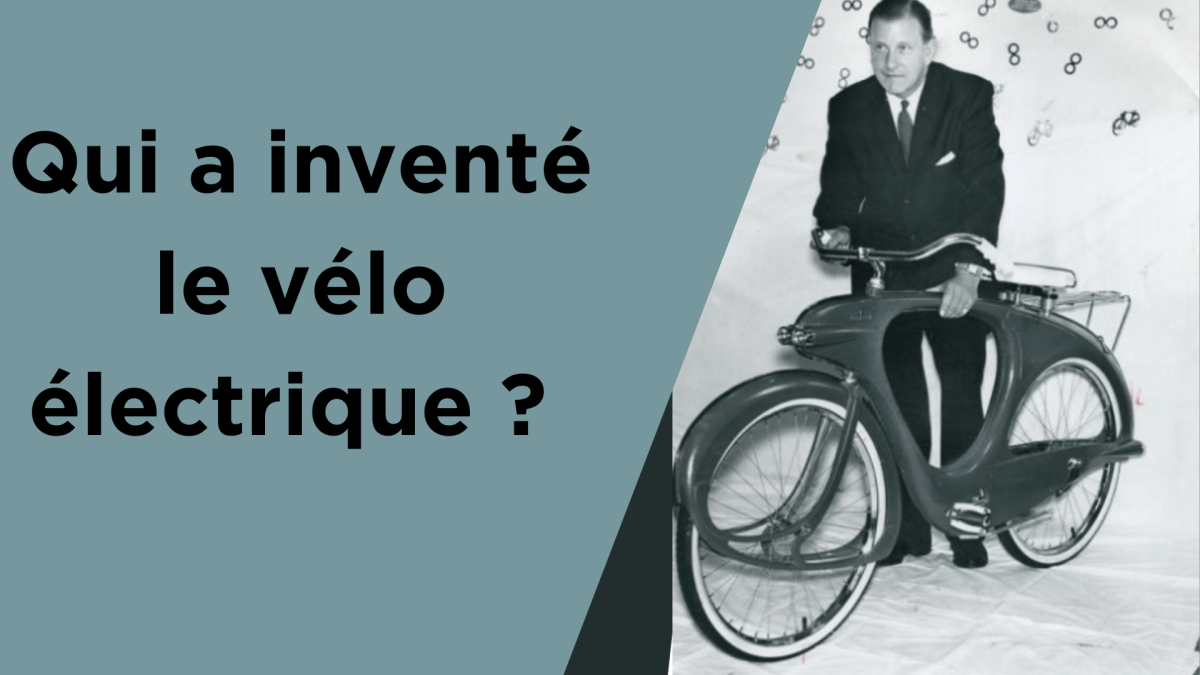
The electric bike is the new star of urban mobility. More eco-friendly, more practical, more fun, it has managed to win us over. But who had the idea to invent the electric bike and for what purpose? Behind its current success lies a history rich in innovations and technical challenges. To discover it, we must go back to the late 19th century. Weebot tells you the beginnings of the electric bike up to its evolution in the modern era. Let's go!
The first prototypes of the electric bike
Before becoming the efficient and versatile vehicle we know today, the electric bike was originally something "experimental" from the late 19th century. During this period, several inventors focused on the subject and tried to combine electric propulsion and bicycle to facilitate daily travel for the population. From these experiments, the first prototypes were born.

Ogden Bolton Jr.'s patent in 1895
The fascinating history of the electric bike officially begins in 1895 with the patent filed by Odgen Bolton Jr. in the United States. His invention was a true revolution for the time. He installed on a bike a 6-pole electric motor integrated into the rear wheel, powered by a 10V battery placed on the frame. Similar to a balance bike, this model had no pedals and relied solely on electric power to move forward.
The first obstacles
Despite this great technological innovation, Odgen Bolton Jr.'s bike did not convince the general public. Unfortunately, many technical obstacles stood in its way and slowed its large-scale commercialization. The main problems notably concerned the significant weight of the battery and the low autonomy of the device. Nevertheless, this prototype laid the foundation for future innovations in the field of electric bikes.
Hosea W. Libbey's innovation in 1897
Two years after Odgen Bolton Jr's patent, Hosea W. Libbey filed a patent in 1897 for a new model of electric bike. Named "Lampociclo," his machine was based on the integration of two electric motors installed at the crankset. He thought this could improve the balance and efficiency of the propulsion system. And he was right!
His model could reach an impressive speed of about 32 km/h; a real feat for the time! Unfortunately, the limitations of the batteries and motors of the time made daily use impossible. Despite incredible potential, the "Lampociclo" failed to establish itself on the market. However, it can boast of having inspired many modern designs.
Electric bike: Developments in the 20th century
From the 20th century, the evolution of the electric bike took a very interesting turn. It was marked by major technological advances, but also by a certain period of neglect. Technical challenges notably slowed its development until new energy and ecological issues brought it back to the forefront. Let's look at all this in more depth!

Technological challenges
During the first half of the 20th century, the electric bike experienced a period of "stagnation." Inventors lacked inspiration to make it practical for everyday life. The batteries available at the time were heavy and inefficient, removing all the practicality of the traditional bike. Moreover, competition from electric cars and motorcycles pushed electric bikes to the background, without having the chance to shine.
Manufacturers also had to face another issue: integrating electrical components into the bike frame. It was difficult for them to find a solution so that the electrical components were both functional and protected from external dangers.
The revival in the 1970s
Later, with the oil crisis of the 1970s and the rise of ecological concerns, interest in electric bikes surged again. New prototypes emerged, notably thanks to the introduction of Nickel-Cadmium (NiCd) batteries which were more efficient.

Then, around the 1990s, the electric bike began to become popular with the emergence of Nickel-Metal Hydride (NiMH) batteries and the improvement of electric motors. Giants like Yamaha and Panasonic took an interest in the market and began marketing the first models accessible to the general public.
Jean-Joseph Etienne Lenoir: A French pioneer
Long before the rise of the modern electric bike, a French engineer, Jean-Joseph Etienne Lenoir, had already laid the foundations of electric propulsion. As early as the 19th century, he developed electric motors, thus paving the way for future applications in the field of mobility. Although his work is more associated with the automobile, his research indirectly influenced the evolution of the electric bike.
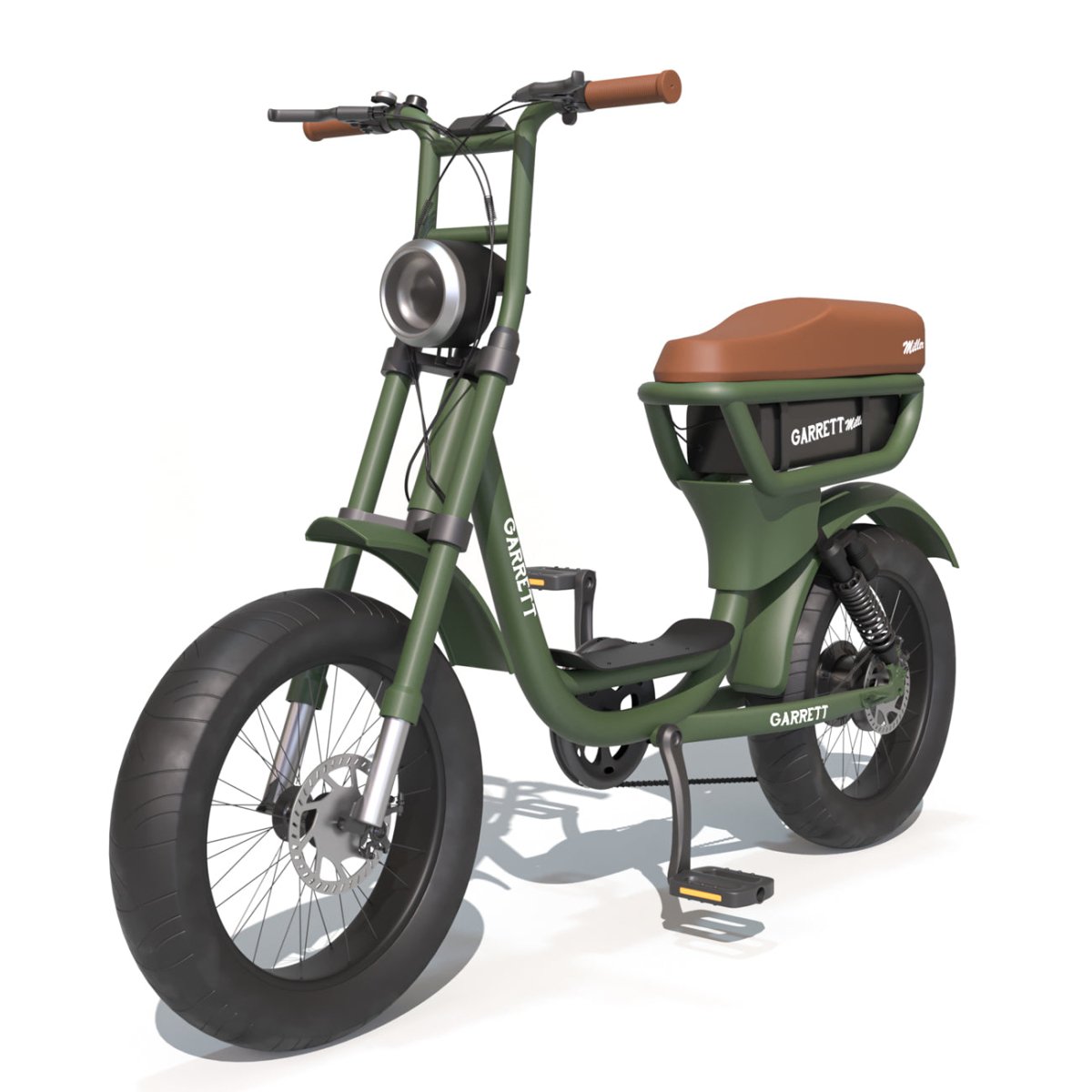
Garrett Miller: An American pioneer at the heart of innovation
Garrett Miller deserves to be mentioned for his influence on the evolution of the electric bike. He was one of the first to systematically explore the integration of electric motor technology into bicycles.
His passion for innovation and commitment to developing sustainable mobility solutions have helped advance electric motor and battery management technologies, key elements in the success of modern electric bikes. Although he is not as widely publicized as others, his work in the 1990s was fundamental to the rise of this industry.

The European pioneers of the electric bike
While the first electric bike prototypes are often attributed to American inventors, Europe has also played a key role in the evolution of this innovative mode of transport. Several European engineers and companies have contributed to the development of more efficient models, thus facilitating the adoption of electric bikes in the daily lives of city dwellers.
Moustache Bikes: A pioneering French brand
In France, Moustache Bikes is one of the most emblematic companies in the world of electric bikes. Founded in 2011, it quickly attracted fans of soft mobility thanks to elegant and high-performance models. Their bikes, like the "Moustache Friday," are now market staples, offering both comfort and innovation. With a refined design and cutting-edge technology, Moustache has democratized the use of electric bikes in France, especially in large cities.
Bosch: The technological ally of electric bikes
On the German side, Bosch has been a key player in the rise of the electric bike. The brand is particularly known for its high-performance motors and batteries, used by many European brands. Their electric pedal-assist technology is now one of the most reliable and powerful on the market. Bosch has thus helped make electric bikes more accessible and efficient, facilitating their adoption by an increasingly wide audience.

Bikemind: Swiss innovation at the service of performance
Switzerland is not left behind with the company Bikemind, which has managed to innovate in the field of compact electric motors. Thanks to their expertise, they have been able to design lightweight electric bikes particularly suited to the needs of urban cyclists. Their technology has made electric bikes more efficient without compromising their weight, an essential factor for daily commuting.
The rise of the modern electric bike
The rise of the modern electric bike is based on major technological innovations such as component miniaturization, battery improvement, and the popularization of its use among the population. These various factors allowed this market to transform into what we know today.
Innovations of the 1990s
In the 1990s, the electric bike sector faced a decisive turning point in its history. In 1993, Yamaha decided to market its first mass-market model called "Yamaha PAS." It stood out for its electric pedal assistance, a technology that offers a smoother and more natural ride, attracting a whole new user profile.

At the same time, batteries continue to evolve with the introduction of Lithium-Ion in the 2000s. Lighter and more efficient, they offer better autonomy and significantly accelerate the development of electric bikes.
Recent technological advances
Today, the electric bike market is still growing rapidly. Technological advances continue, with much more powerful motors and more efficient batteries than those of the 1990s.
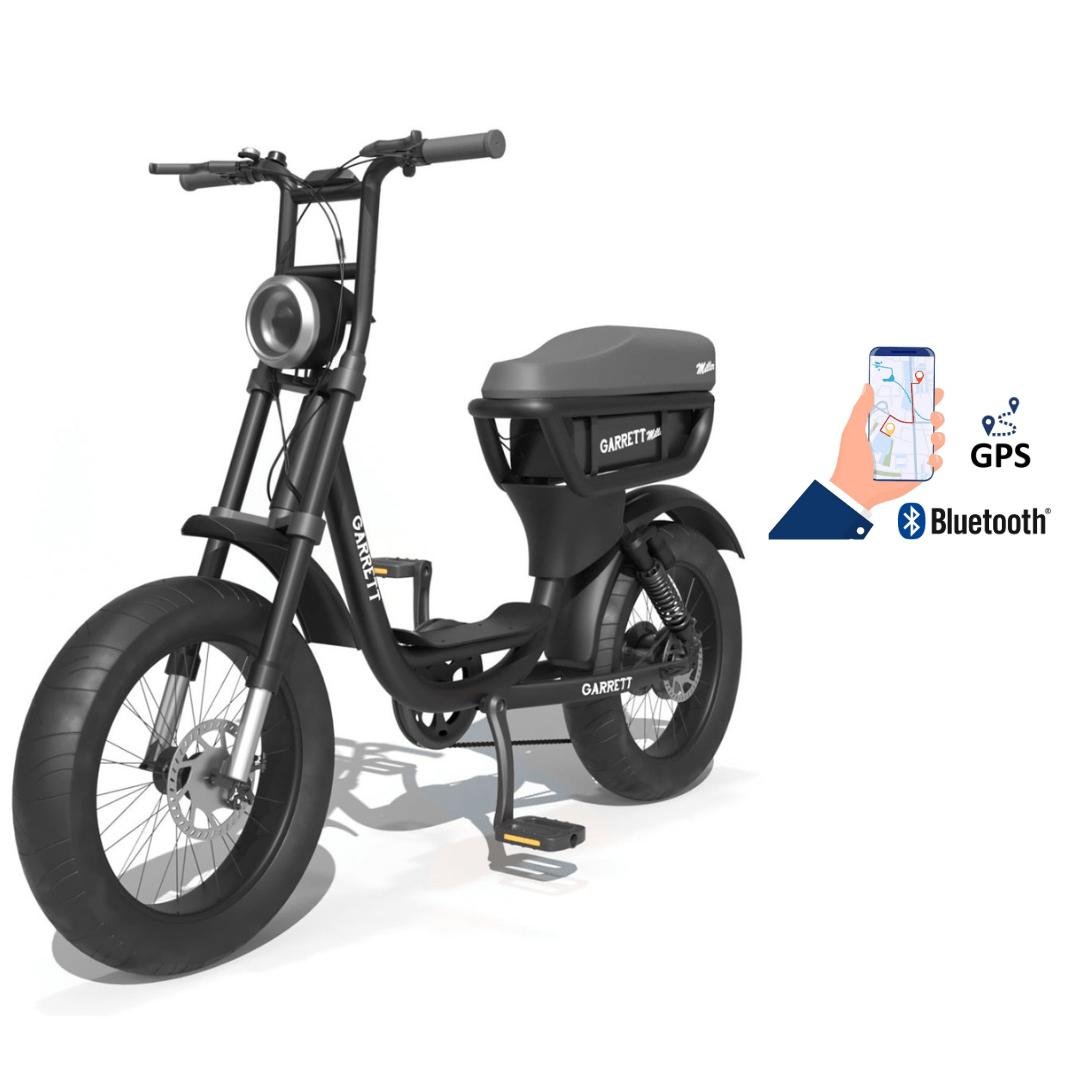
But what really makes modern electric bikes stand out are the high-tech and connected features, such as LCD screens and Bluetooth connectivity with mobile apps that allow real-time monitoring of battery level and bike performance.
And to encourage their adoption, the State, as well as many cities in France, offer subsidies that reduce the purchase cost of the electric bike. We will discuss this in the following lines.
The challenges of accessibility and cost of electric bikes
At first, the price of electric bikes was a major obstacle. In the 1990s and 2000s, these bikes cost between €1,500 and €3,000 due to the high cost of batteries and motors. The first NiCd batteries were heavy and expensive, making these bikes inaccessible to many.

Battery cost reduction: a decisive turning point
The real turning point came with the arrival of lithium-ion batteries, which are lighter, more efficient, and above all cheaper. In 2010, a lithium-ion battery still cost €1,000 per kWh, but by 2020, this price had dropped to €100 per kWh, a 90% decrease. This development helped reduce the cost of electric bikes and made them accessible to a wider population.
Prices of electric bikes today
Today, it is possible to find entry-level electric bikes starting from €600 to €700, while higher-performance models range between €1,000 and €2,000. High-end models can exceed €4,000.
Government aid to facilitate access
Many governments, such as in France and Germany, offer financial aid for the purchase of electric bikes, thus reducing the cost for consumers. In France, a bonus can be up to €200, which facilitates the adoption of this eco-friendly mode of transport.
Market growth: a promising future
The price drop has greatly contributed to market growth. In 2019, more than 2 million electric bikes were sold in Europe, and this trend continues to grow. By 2027, annual sales are expected to reach 7.5 million, confirming the massive adoption of electric bikes as a sustainable mobility alternative.
FAQ
Is today's electric bike inspired by the first models?
Yes, the first prototypes laid the foundations for modern electric bikes. Although the first versions were rudimentary, they introduced fundamental concepts that have been perfected over the decades, such as integrating an electric motor and a battery on a bike frame. Today, technological advances in motors, batteries, and connectivity make the electric bike much more efficient and accessible.
Are today's electric bikes safer for families?
Yes, modern electric bikes are safer, thanks to improved technologies like disc brakes, driving assistance systems, and better batteries. They are designed with stable frames and wide tires for more comfort and safety. Some models are specially adapted to carry children.
So, who is the true inventor of the electric bike?
The first inventor of the electric bike is Ogden Bolton Jr., who filed a patent in 1895 for a model equipped with an electric motor integrated into the rear wheel. Although his invention was not immediately successful, it laid the foundations for the modern electric bike. Other inventors, like Hosea W. Libbey, also contributed to its development over the years.
Conclusion
Since its invention in 1895 by Odgen Bolton Jr., to its development in the modern era, the electric bike has undergone a real revolution. Despite difficult beginnings, it has managed to be reborn over the decades and establish itself in the soft mobility market thanks to fascinating technological advances.
Today, the electric bike is seen as an essential means of transport in all major cities in Europe and Asia. It is a reliable and efficient transport solution, with a bright and promising future thanks to constant innovations in batteries and electric motors.
If you want to join the movement, why not buy your electric bike at Weebot? We have a very rich catalog in which you will surely find what you are looking for.