

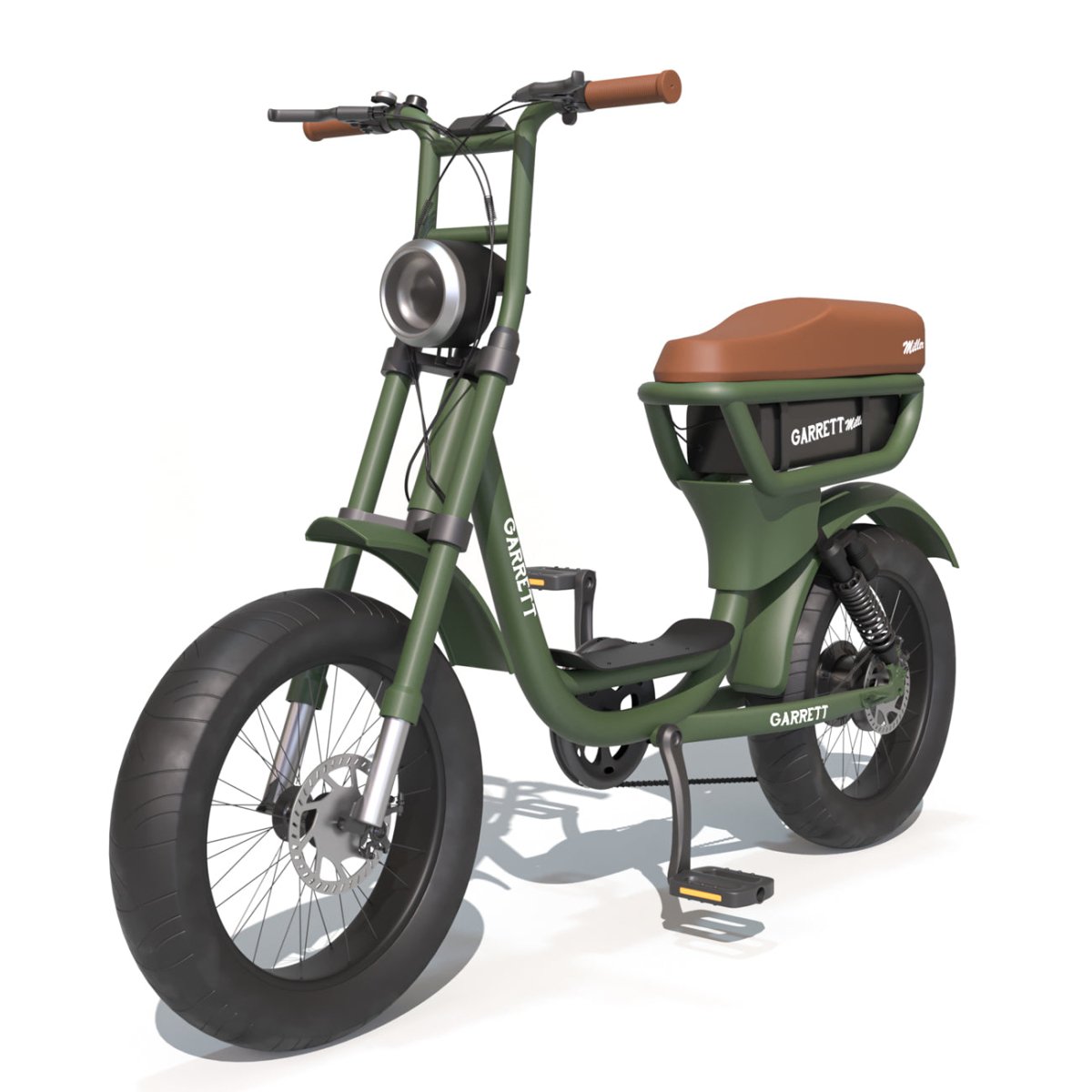
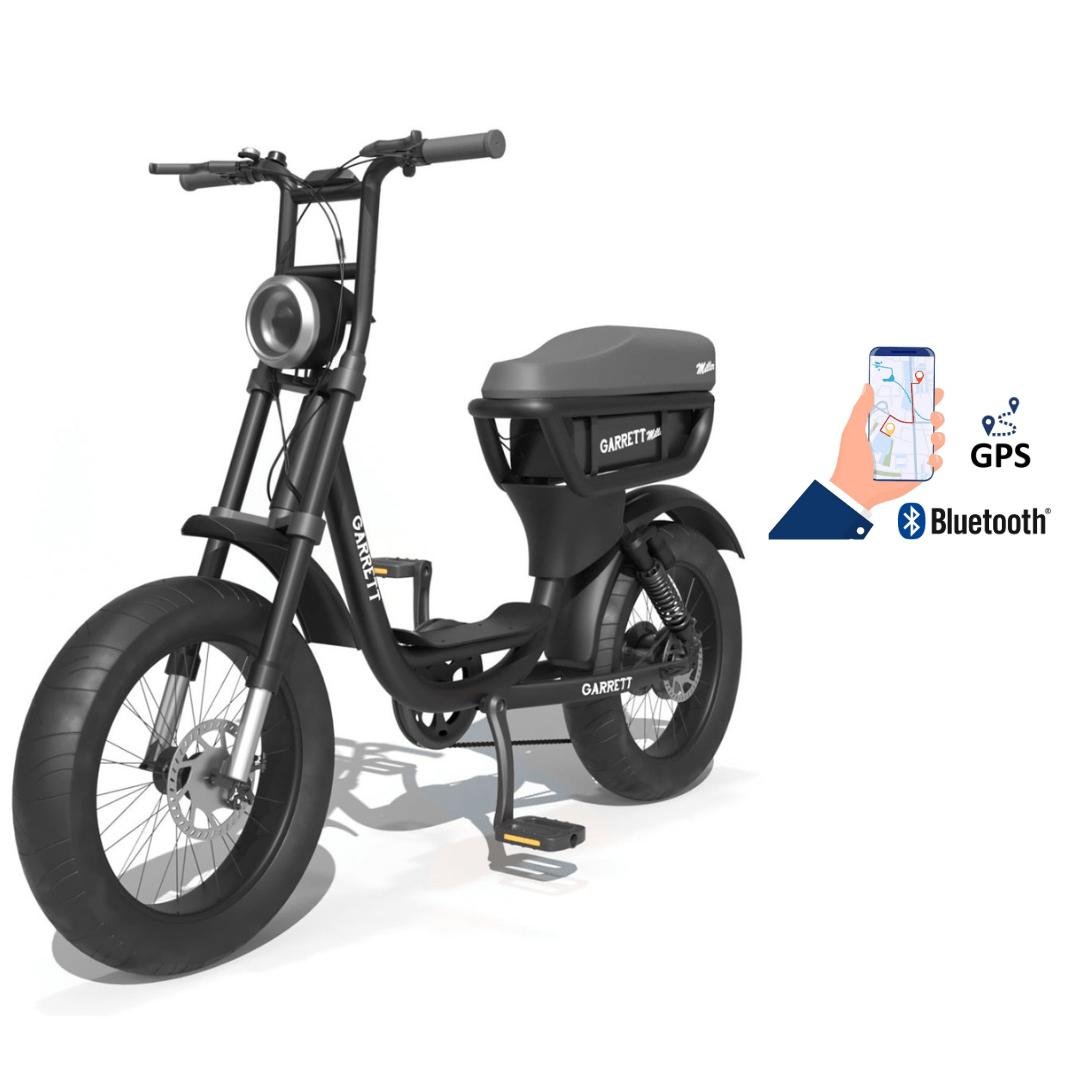
In the world of electric bikes (electric bikes), two models compete for riders' hearts: the electric bike fatbike and the classic electric bike. These two vehicles meet very specific mobility needs and appeal to users with varied profiles. The electric bike fatbike, with its oversized tires, attracts users fond of extreme terrains. As for the so-called "classic" electric bike, it shines through its lightness and practicality, without losing efficiency on urban routes.
Weebot helps you choose the model suited to your needs, budget, and lifestyle. Together, let's discover their specific features and the advantages of each type of electric bike.
Electric bike fatbike VS classic electric bike: technical characteristics
What differentiates electric bike fatbikes from classic electric bikes? Riders often have difficulty distinguishing them. In this section, we tell you everything you need to know about these two models of electric bikes, namely, their level of comfort and their road performance.
 Which model for which terrain?
Whether riding on smooth or rough terrain, making the right choice of electric bike can make all the difference. Although they resemble each other in many ways, each of these bikes was made for a specific purpose, and it is important to know their specificities to get the best out of them.
Purchase price and value for money
Price is generally a determining factor in choosing between an electric fatbike and a classic electric bike. Electric fatbikes, with their robust tires and reinforced frame, often cost more. Their high price is explained by their solid construction and versatility, making them a machine built for off-road and demanding environments. Investing in an electric fatbike thus ensures long-term value, with superior performance and durability.
As for classic electric bikes, there is a good balance between price and performance. Their lightness and minimalist design reduce the overall cost, making them accessible to most electric bike enthusiasts.
Maintenance and lifespan
Maintenance needs vary depending on the type of electric bike. Electric fatbikes, designed for extreme conditions, require more rigorous maintenance due to accelerated wear on rough terrain. Components such as the drivetrain and tires require some vigilance. That said, their robustness reduces frequent breakdowns, ensuring prolonged use.
Battery life depends on the intended use and weather conditions. For daily city use, classic electric bikes may require less intensive maintenance while offering reliable electric assistance. However, their battery can wear out faster if poorly maintained or exposed to extreme temperatures.
Availability of parts: another point to consider
When talking about electric bikes, maintenance is often the "little detail" that can make all the difference. And between an electric fatbike and a classic bike, the way you take care of your machine can vary.
Comparison table of the main features of the electric fatbike and the classic electric bike
This table allows you to quickly visualize the key differences between the two bikes, according to their uses and specific features.
|
Criteria |
Electric fatbike |
Classic electric bike |
|
Suitable terrain |
Off-road, extreme conditions (snow, sand, mud, forest) |
Urban roads, bike paths, daily commutes |
|
Tire size |
Ultra-wide (4 to 5 inches) for optimal grip on uneven terrain |
Ends (1.8 to 2.4 inches) for better handling on smooth roads |
|
Weight |
Heavier (reinforced frame, wide tires, solid components) |
Light and compact, suitable for city and transport |
|
Riding comfort |
Excellent comfort thanks to wide tires that absorb shocks |
Good comfort on flat surfaces, but less suited for rough terrain |
|
Terrain performance |
Very efficient on difficult terrain (sand, snow, forest) |
Ideal for fast and smooth urban trips |
|
Main use |
Adventures, off-road hikes, exploring new horizons |
Daily city commuting, rides on paved roads |
|
Maintenance |
More demanding maintenance (specific parts, wear on rough terrain) |
Simplified maintenance (standardized parts, less frequent servicing) |
|
Purchase cost |
Higher (robust construction, specialized components) |
Cheaper (simpler and lighter design) |
|
Parts availability |
Specific parts sometimes difficult to find, more expensive |
Parts easy to find, widely available |
|
Battery range |
Generally lower range off-road, but variable depending on use |
Optimal range for urban trips, less affected by terrain |
|
Maneuverability |
Less maneuverable in the city due to its weight and wide tires |
Very maneuverable, ideal for quick urban trips |
|
Battery life |
Long lifespan with proper maintenance, but more sensitive to extreme conditions |
Decent lifespan, may decrease with poor battery management |
|
Robustness |
Very robust, designed to withstand extreme conditions |
Sturdy, but less designed for difficult terrains or extreme conditions |
|
Transport convenience |
Less easy to carry due to its weight and size |
Easy to carry, lightweight, easy to store |
Conclusion
The choice between an electric fatbike and a classic electric bike mainly depends on your needs and lifestyle. If you are an adventure enthusiast looking for a robust solution capable of handling tough terrains, the electric fatbike is the perfect choice. Its oversized tires and sturdy frame guarantee you outstanding performance.
On the other hand, for urban use or daily rides on smooth surfaces, the classic electric bike stands out for its lightness and maneuverability. It offers excellent value for money.
Ready to take the plunge? Discover a wide range of electric fat bikes and classic electric bikes on our Weebot site. Don’t wait any longer to find the model that suits you perfectly!