Weebot, le leader de la trottinette électrique en France
Notre gamme est constituée des meilleures marques telles que les trottinettes électriques Ninebot, Minimotors ou encore des trottinettes électriques Dualtron, des trottinettes électriques Teverun, Langfeite, Inöe ou encore le leader en France, notre marque propre Weebot.
Vous ne savez pas comment choisir la trottinette électrique correspondant à vos besoins ? Vous pouvez lire notre article « comment choisir une trottinette électrique ».
Nous recevons régulièrement de nouveaux modèles soigneusement sélectionnés, afin de vous garantir le meilleur choix et de vous offrir une garantie 2 ans sur toutes nos trottinettes électriques.
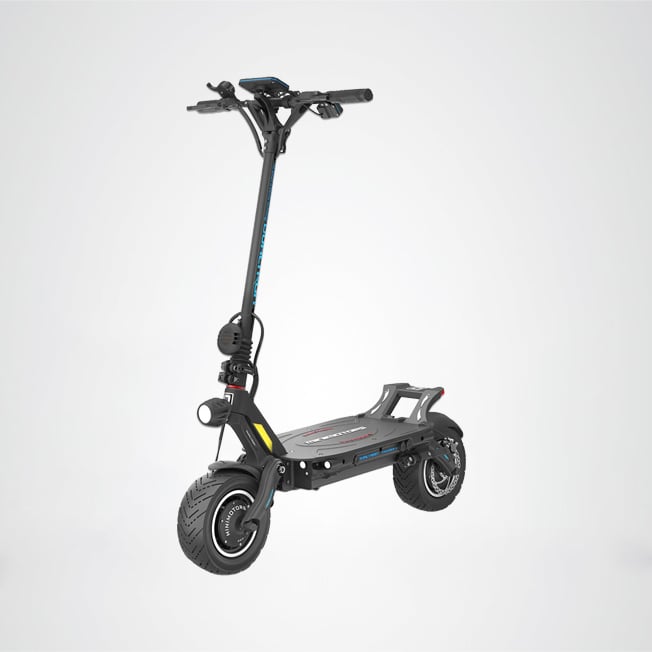
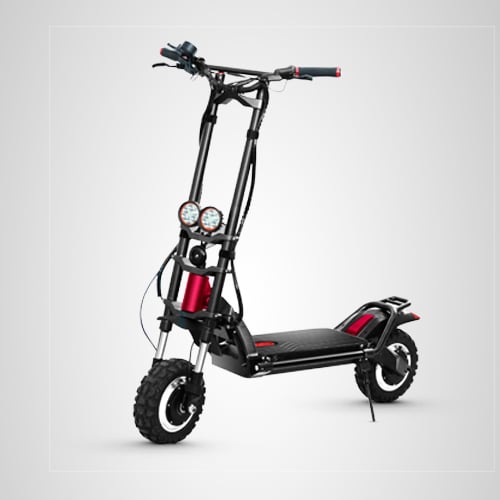
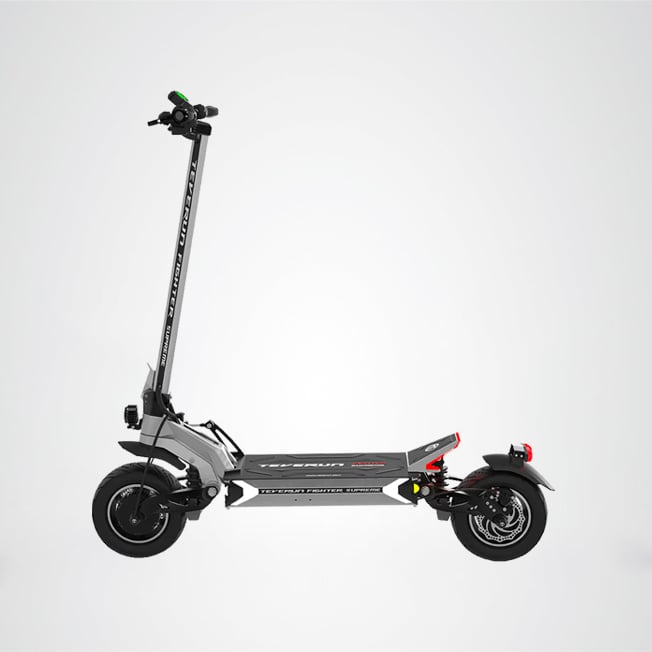
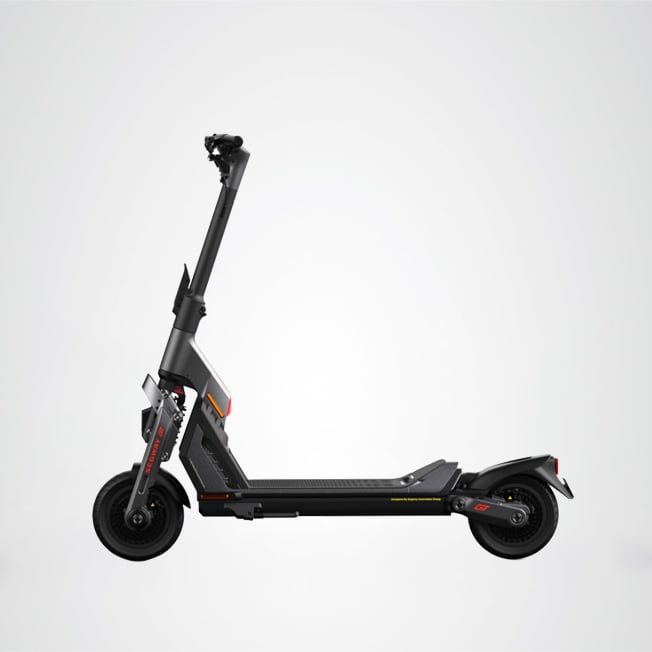
 35 km/h
 --> 50 km
 500W
500W 48V 15Ah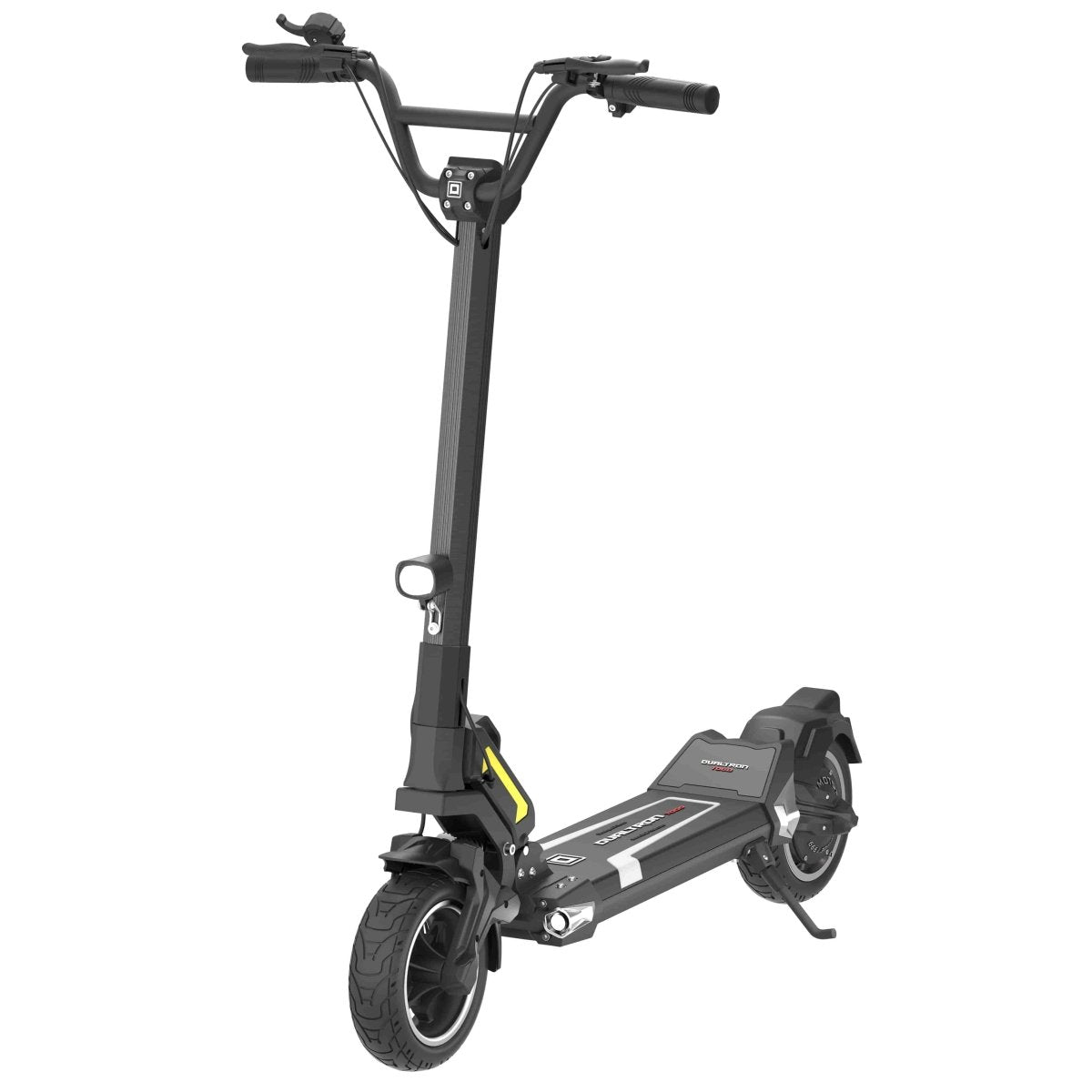
 50 km/h--> 47 km1000W60V 15Ah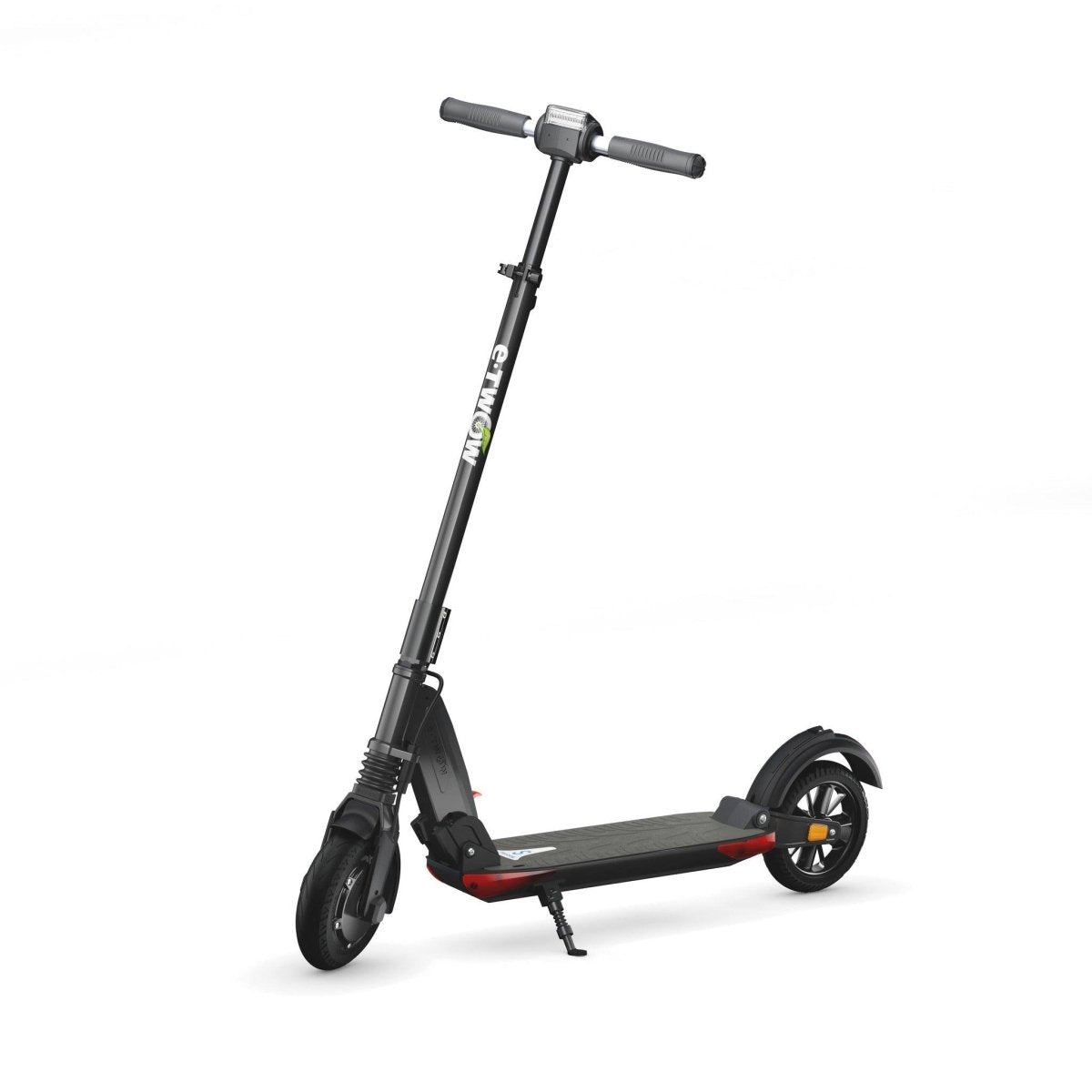
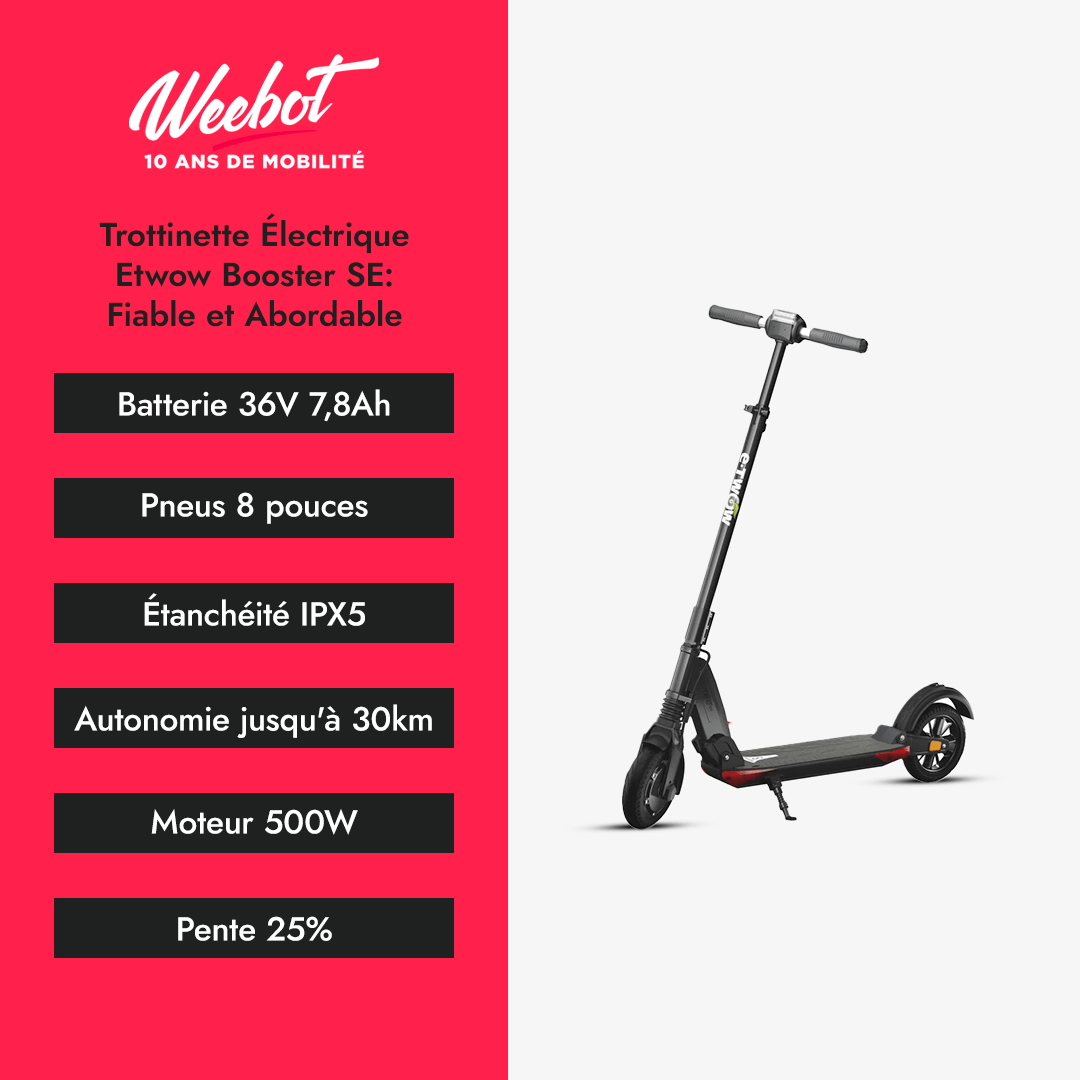 30 km/h 30 km 500W36V 7,8Ah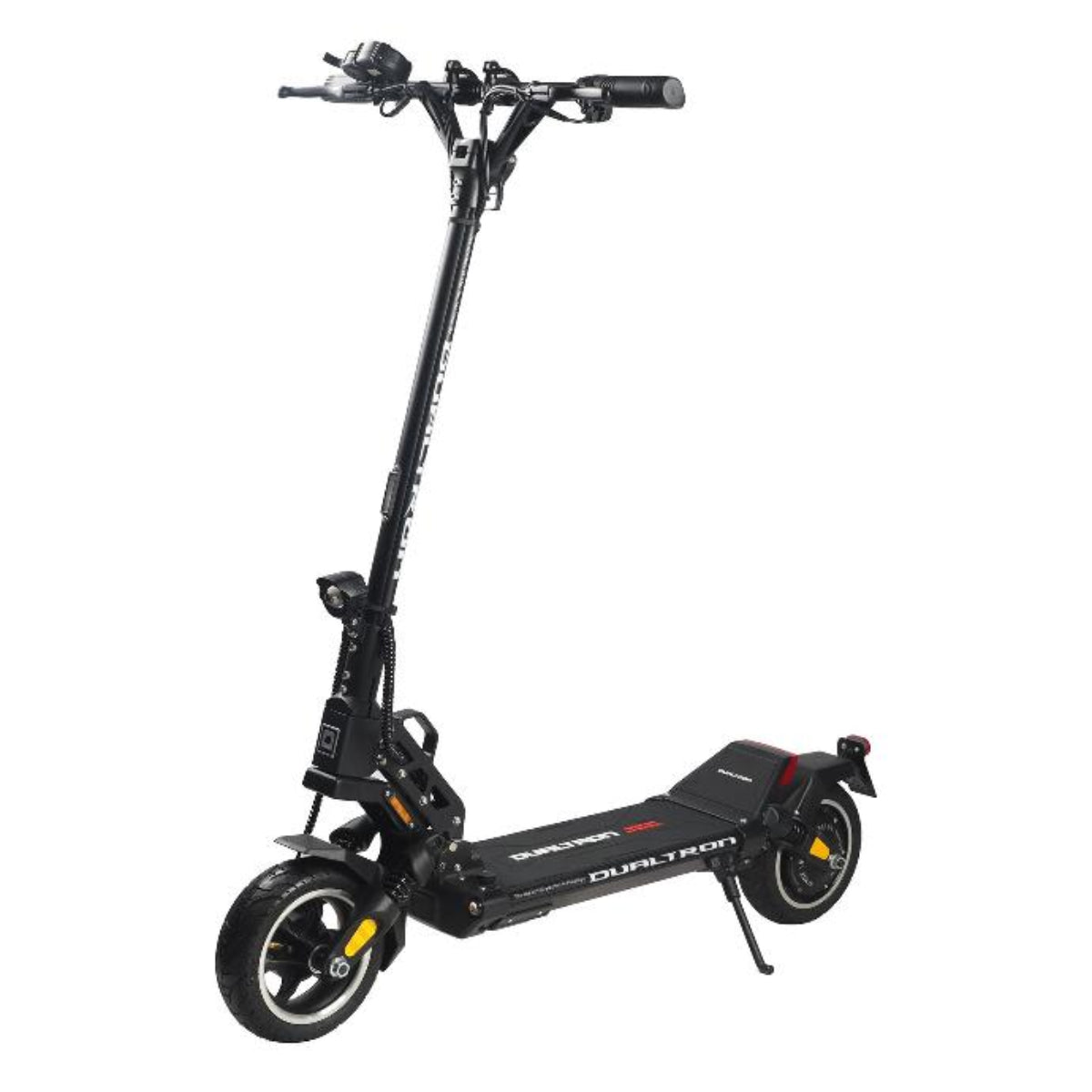
 45km/h65 km 1000W52V 21Ah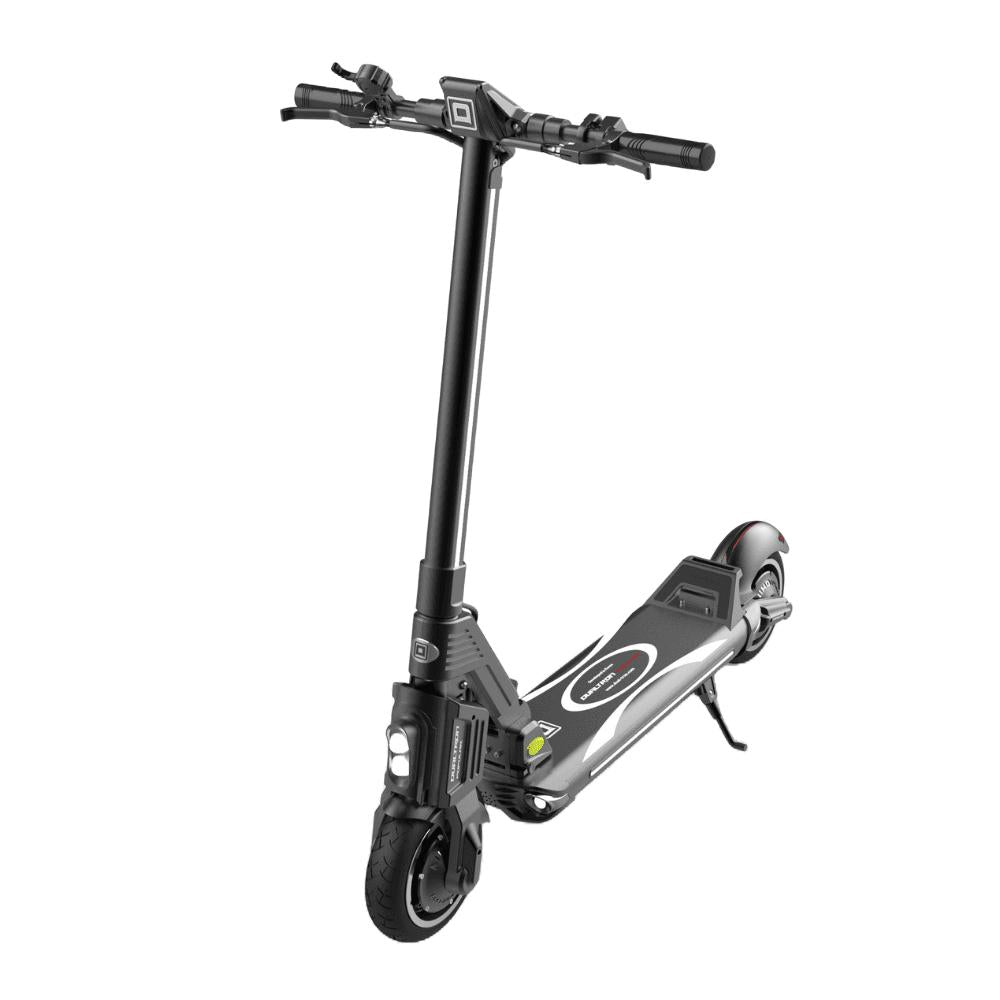
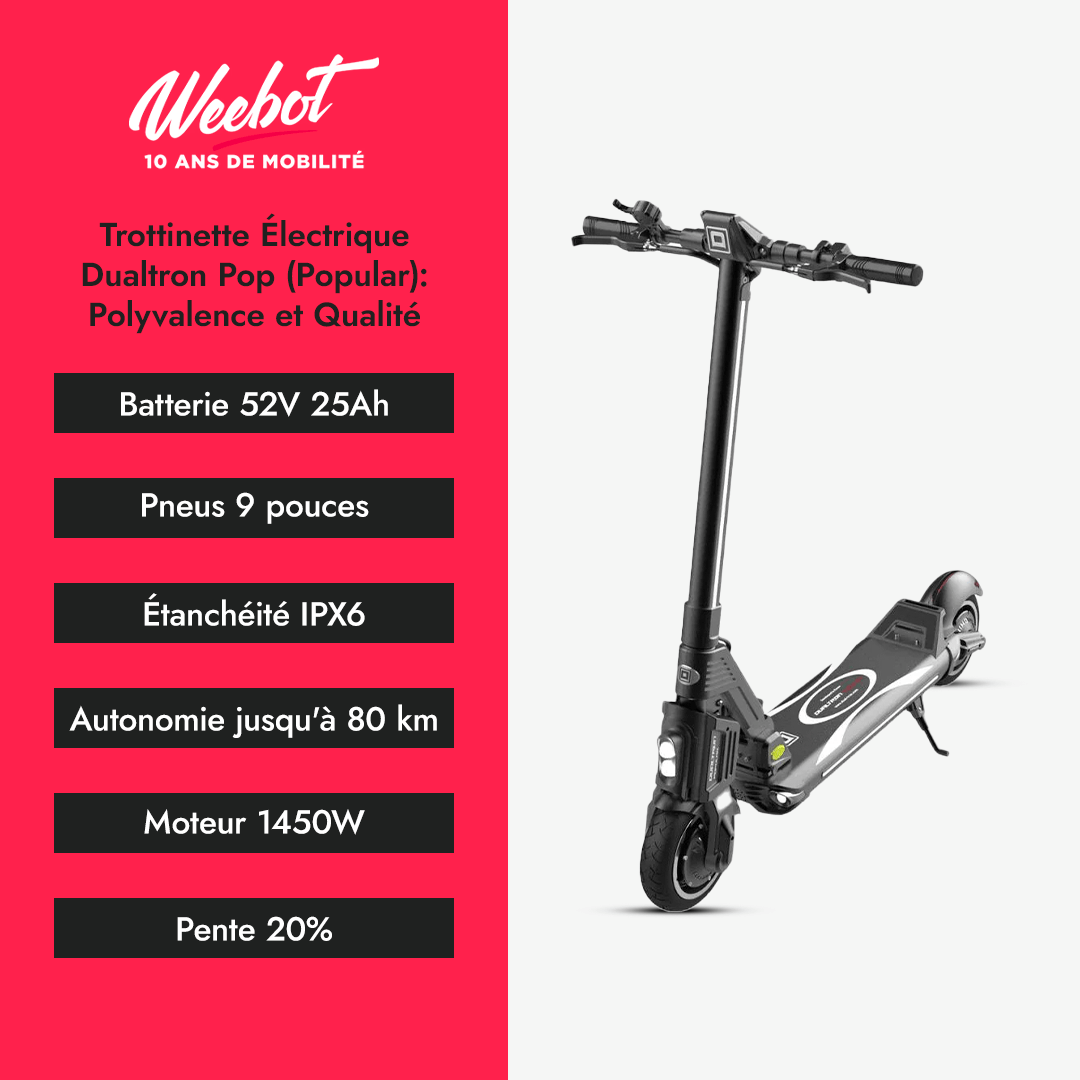 55 km/h--> 80 km500W--> 52V 25Ah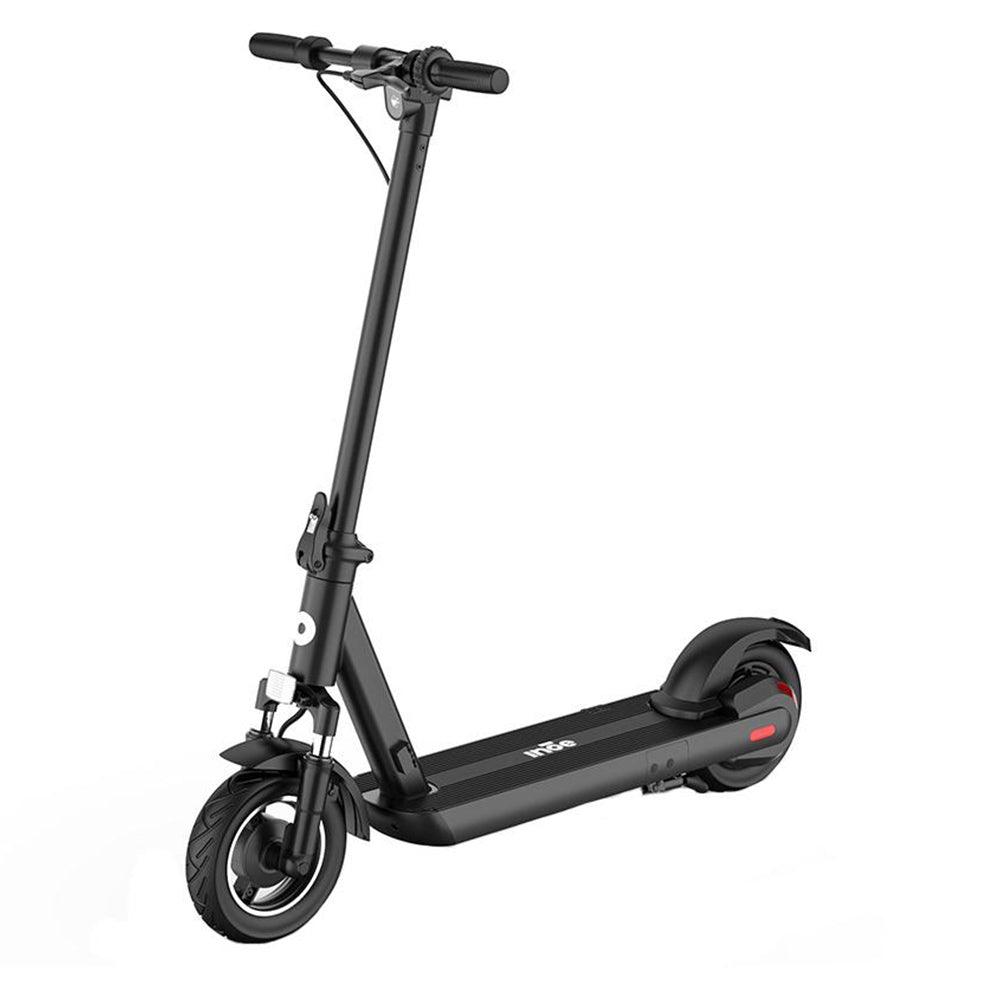
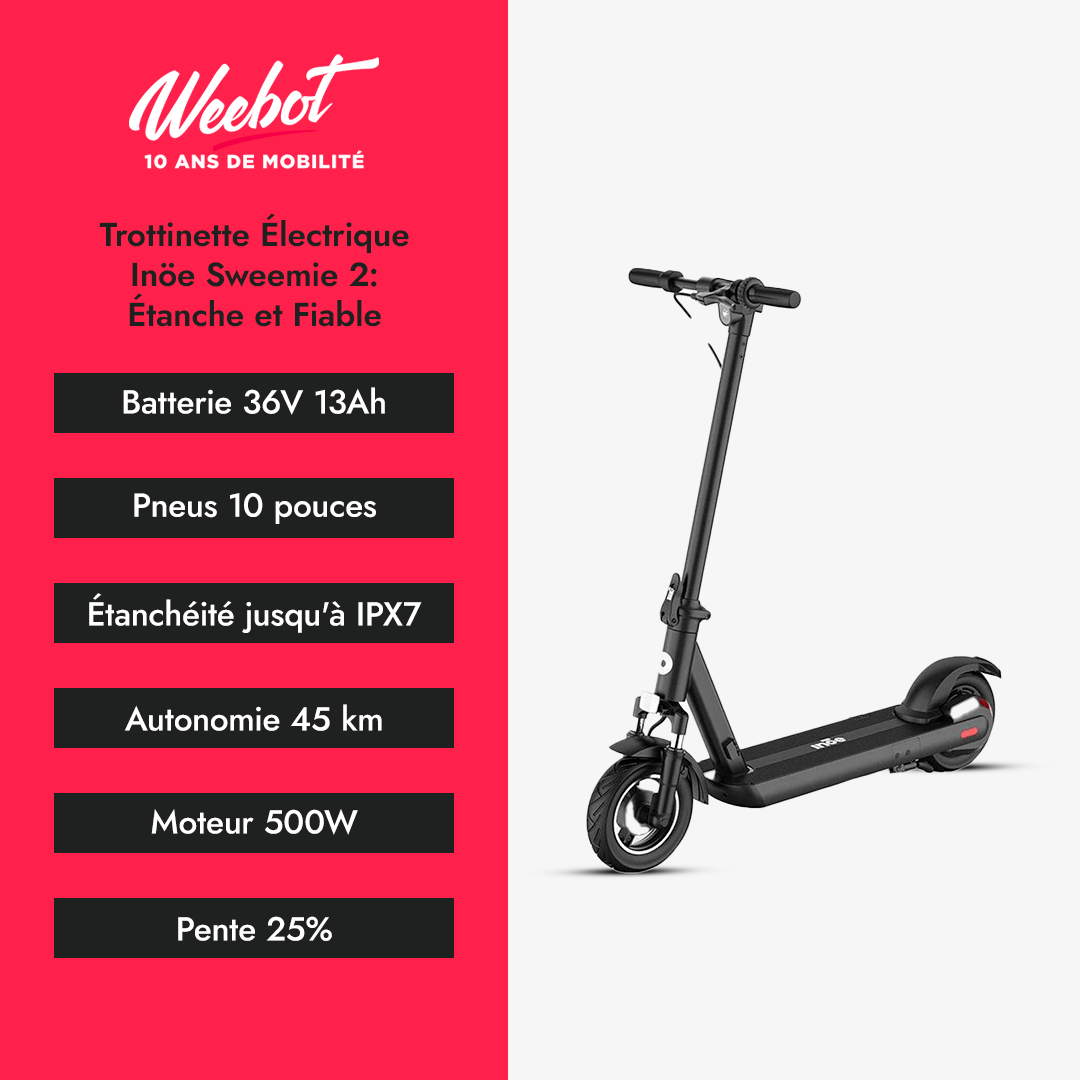 40 km/h45 km--> 750W 36V 13Ah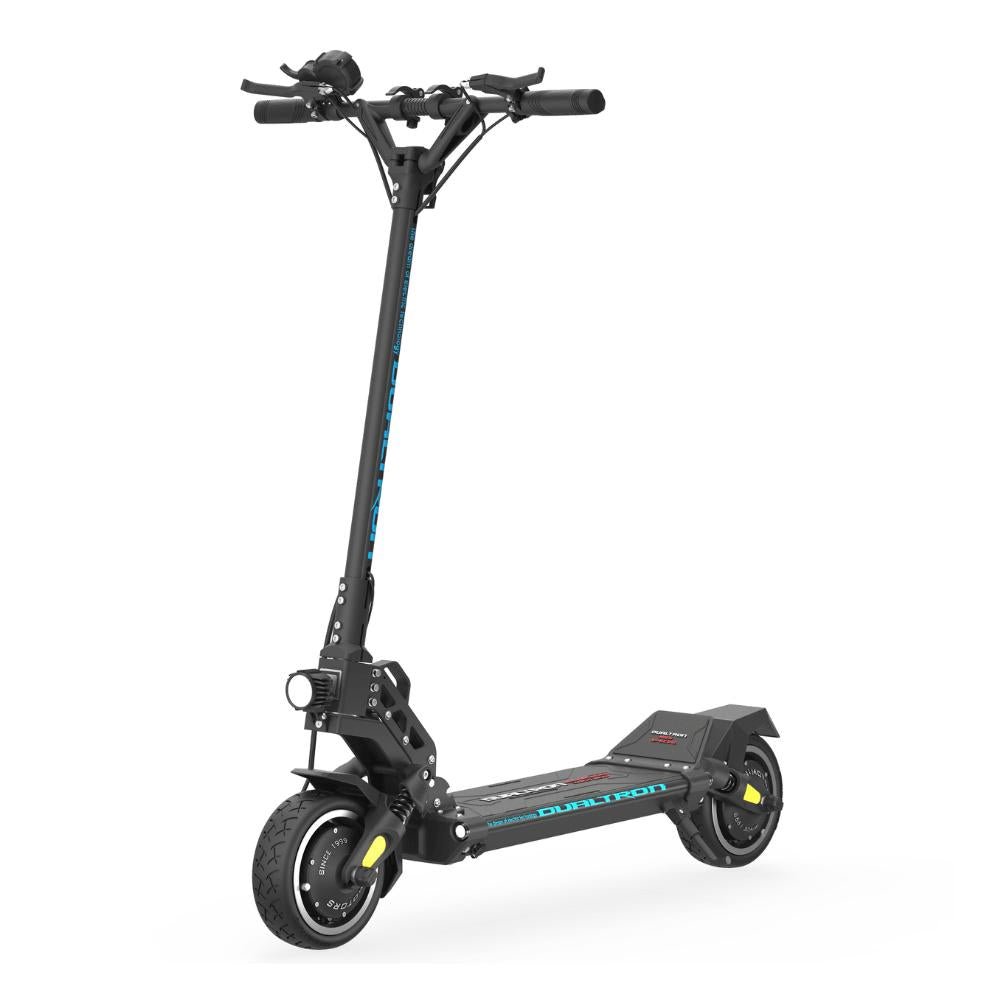
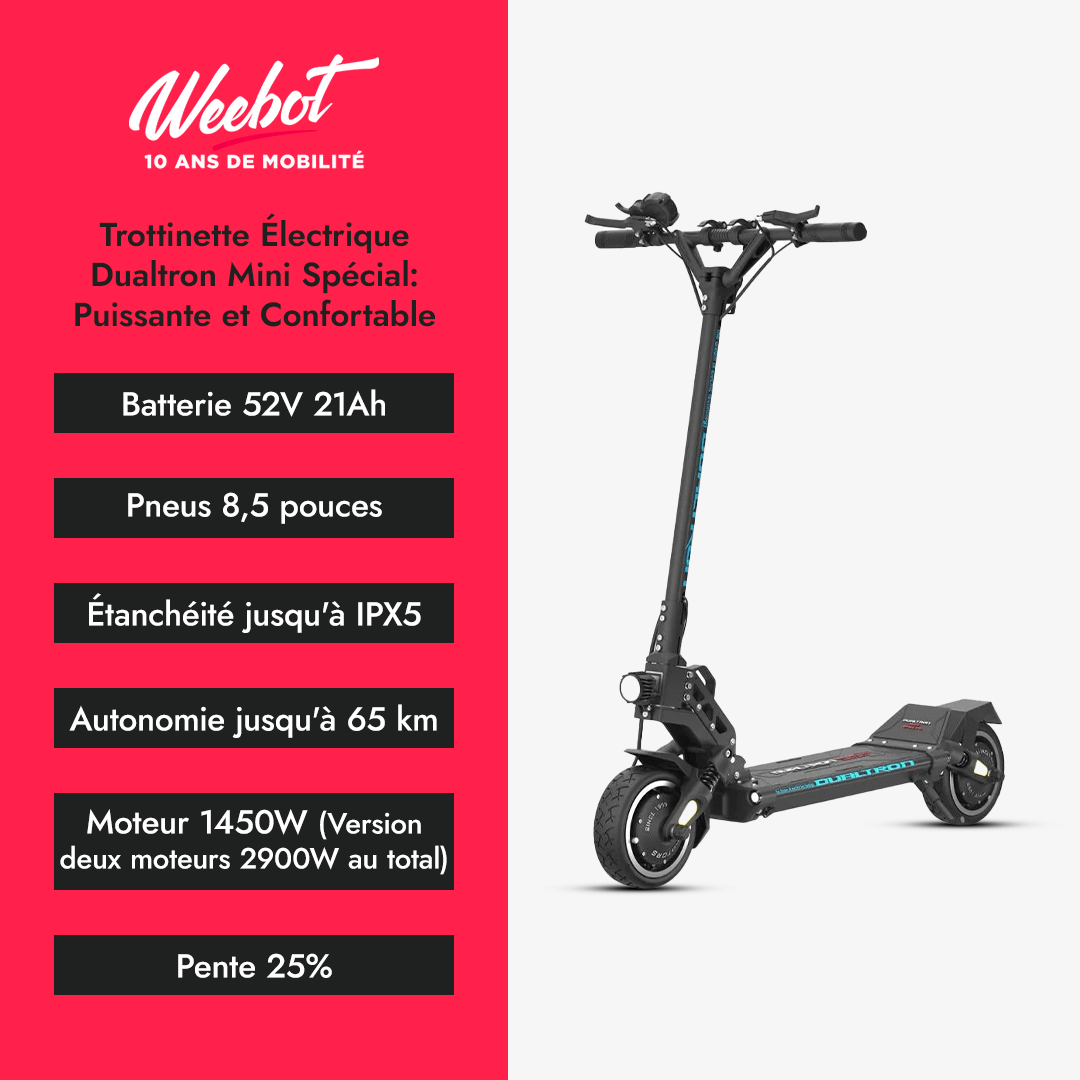 45 km/h--> 65km2500W52V 21Ah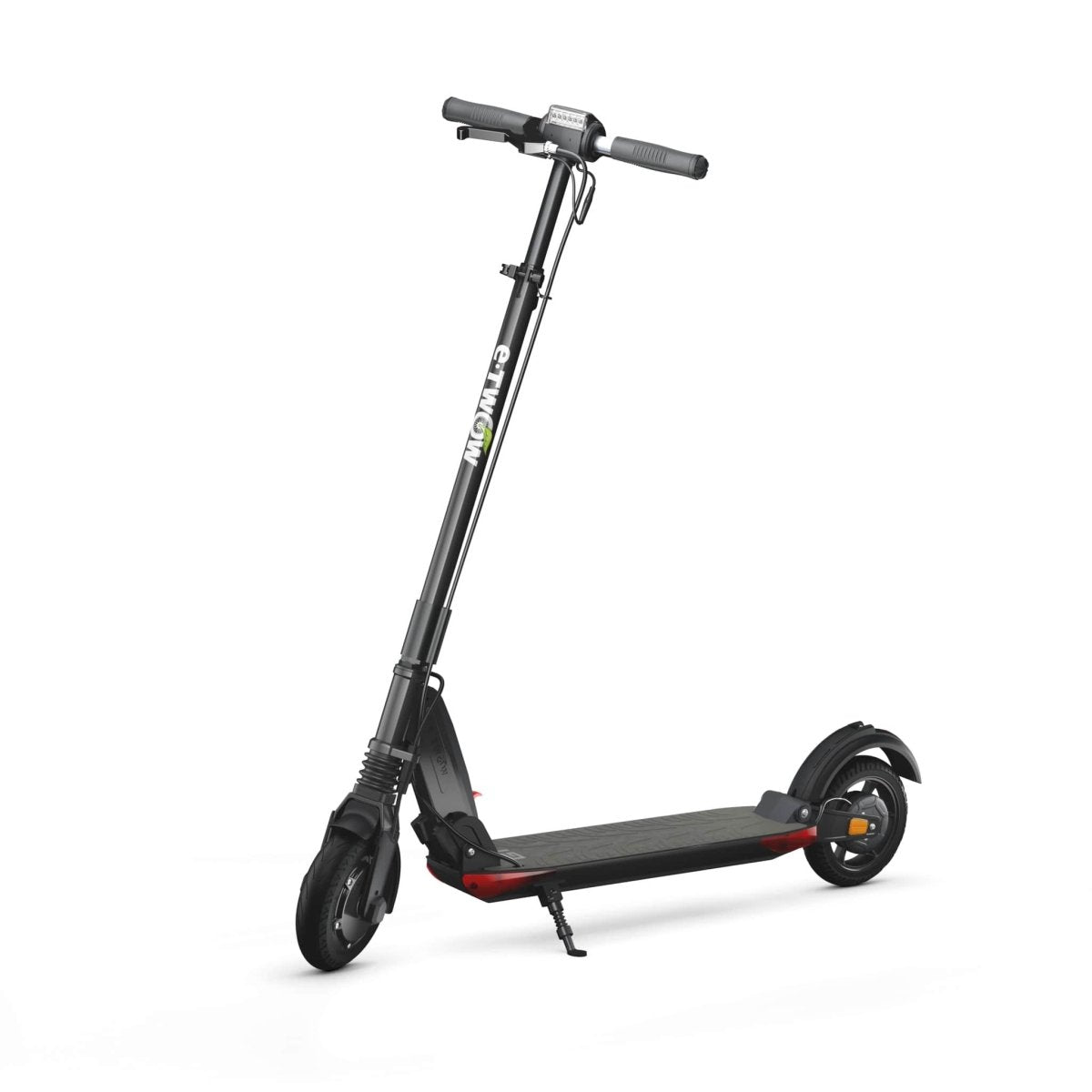
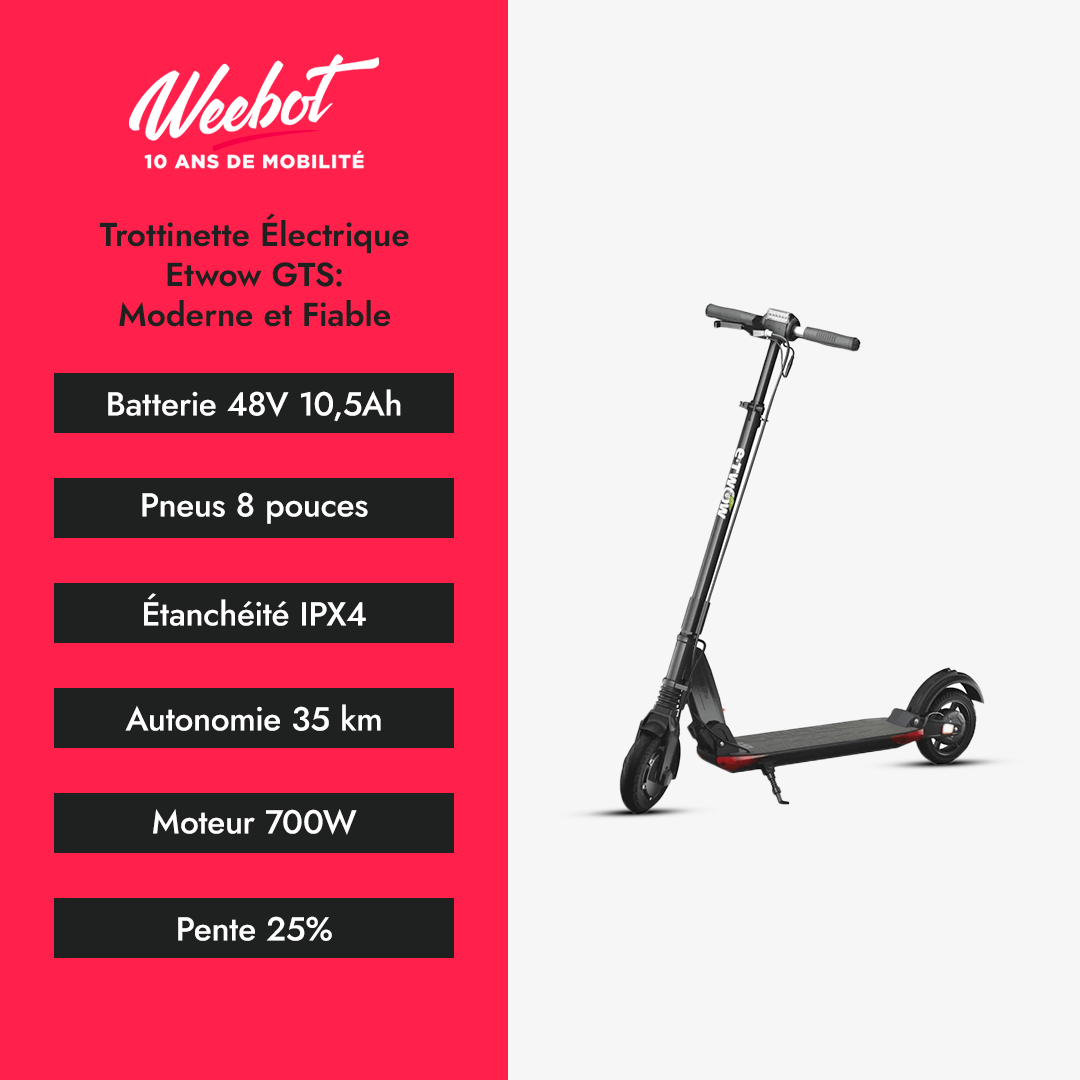 35 km/h35 km500W48V 10,5Ah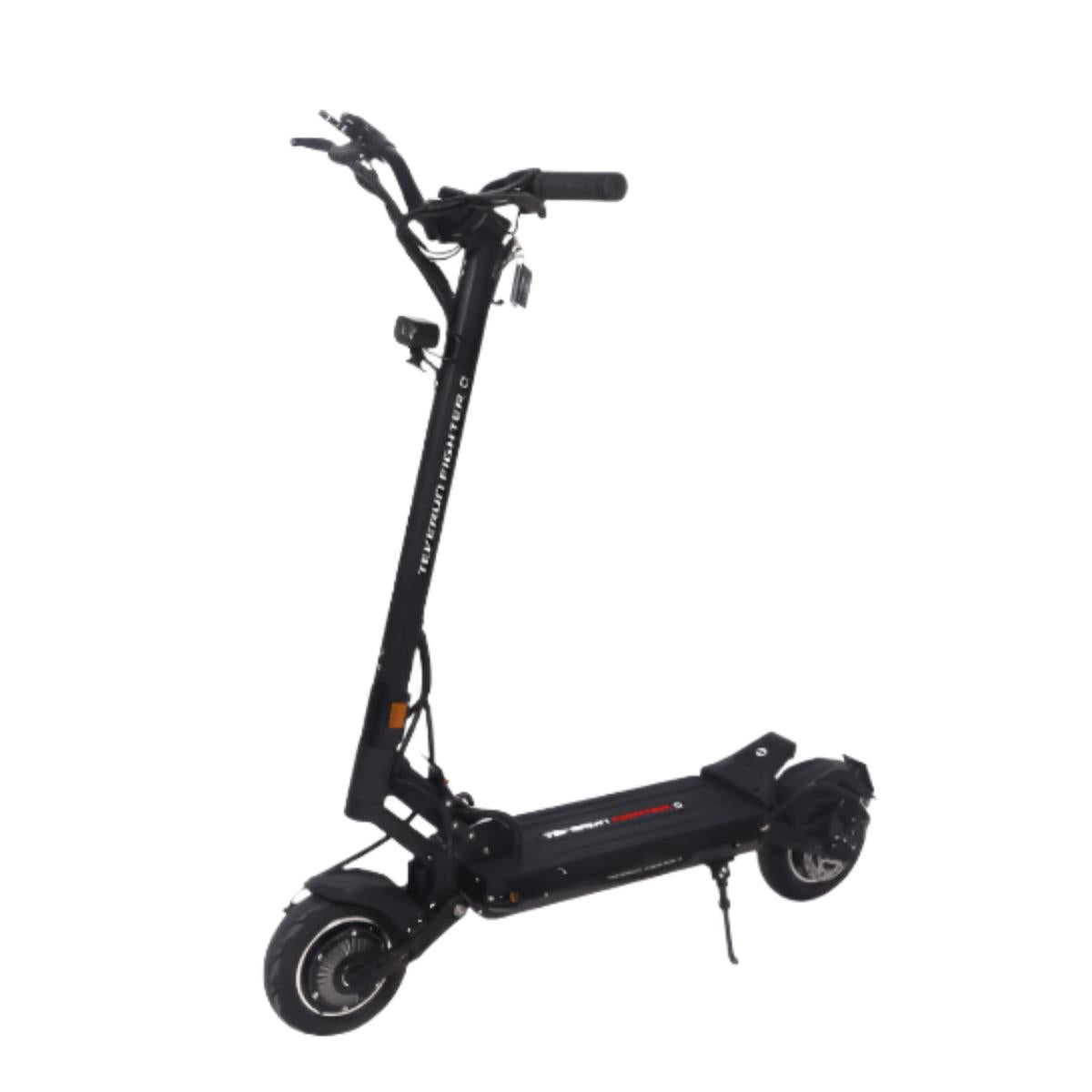
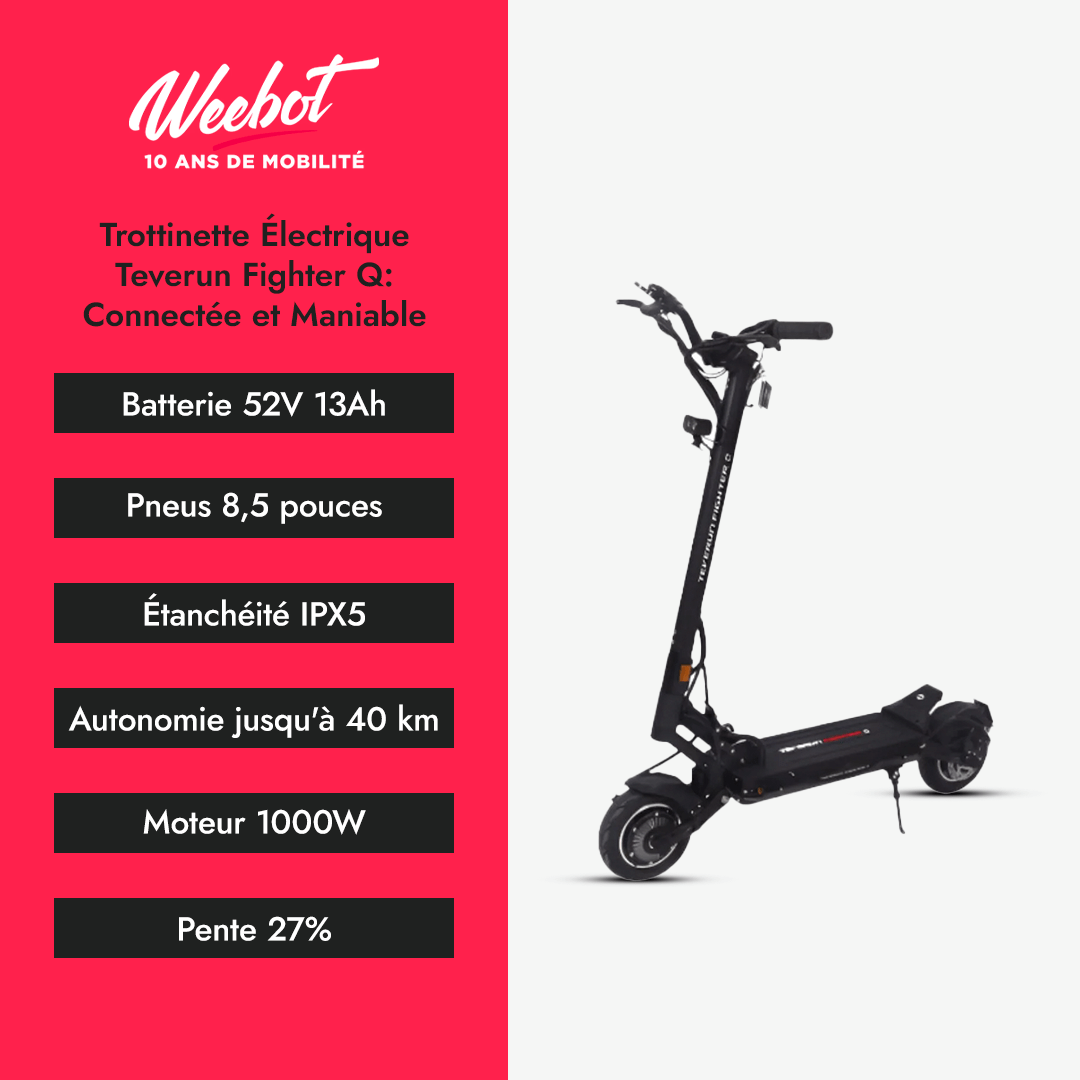 50 km/h 40 km1000W52V 13Ah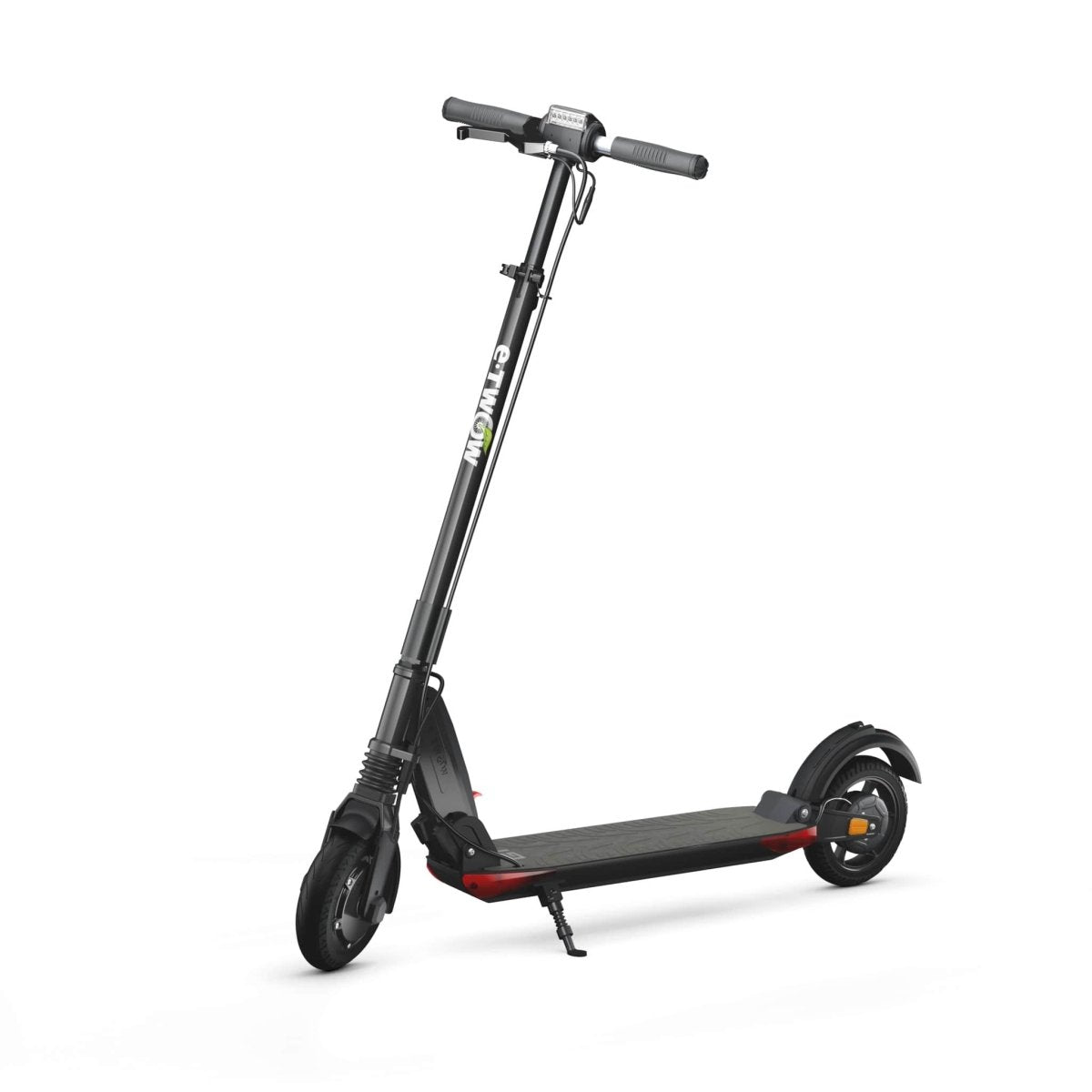

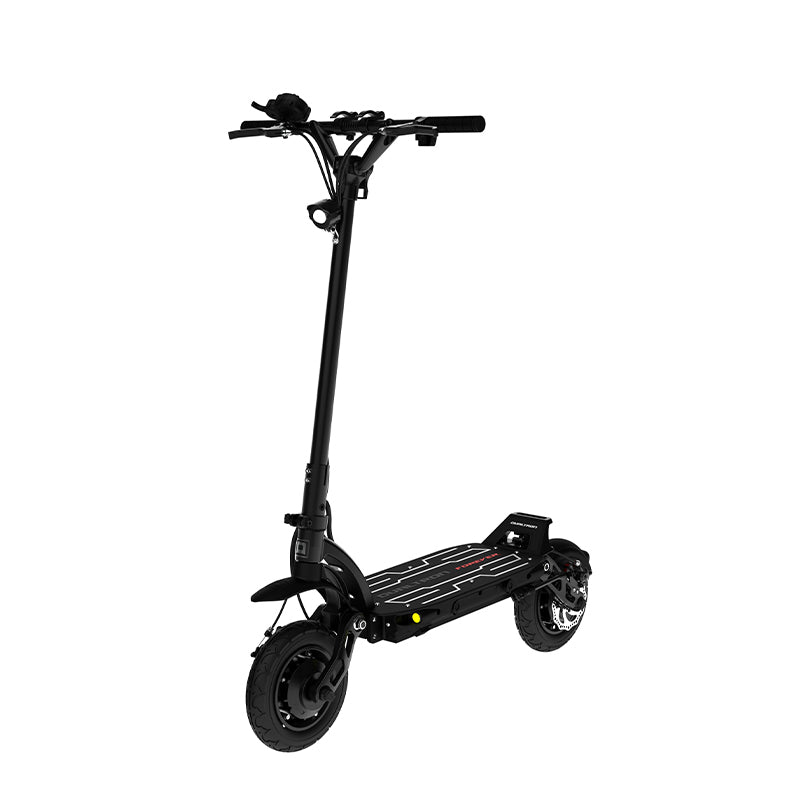
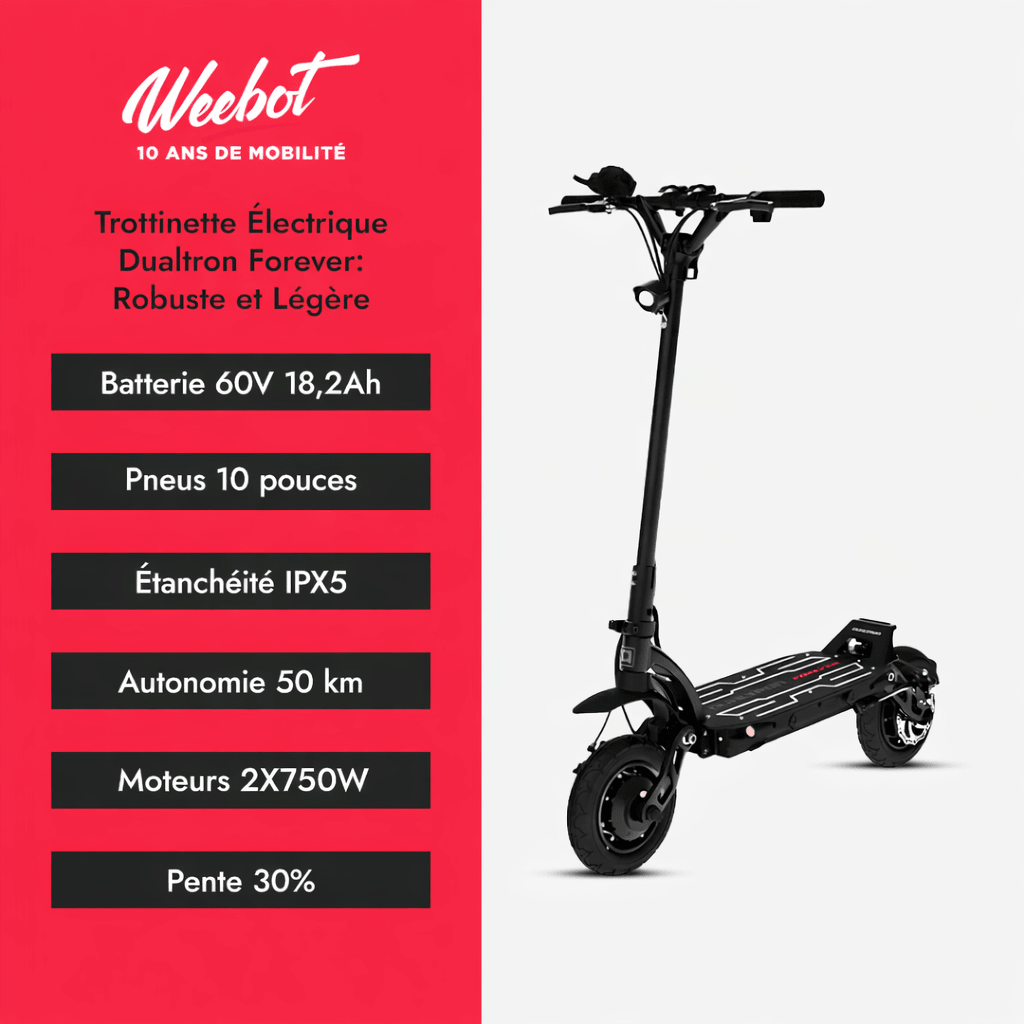 65 km/h50 km500W60V 18,2Ah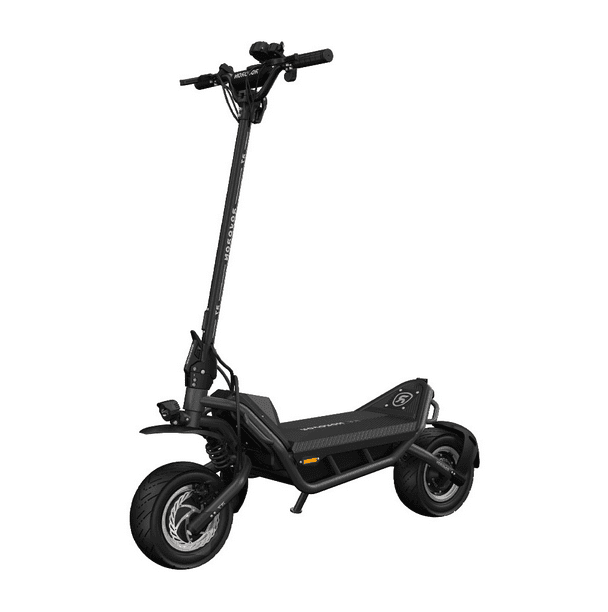
 65 km/h120 km2×1660W60V 42Ah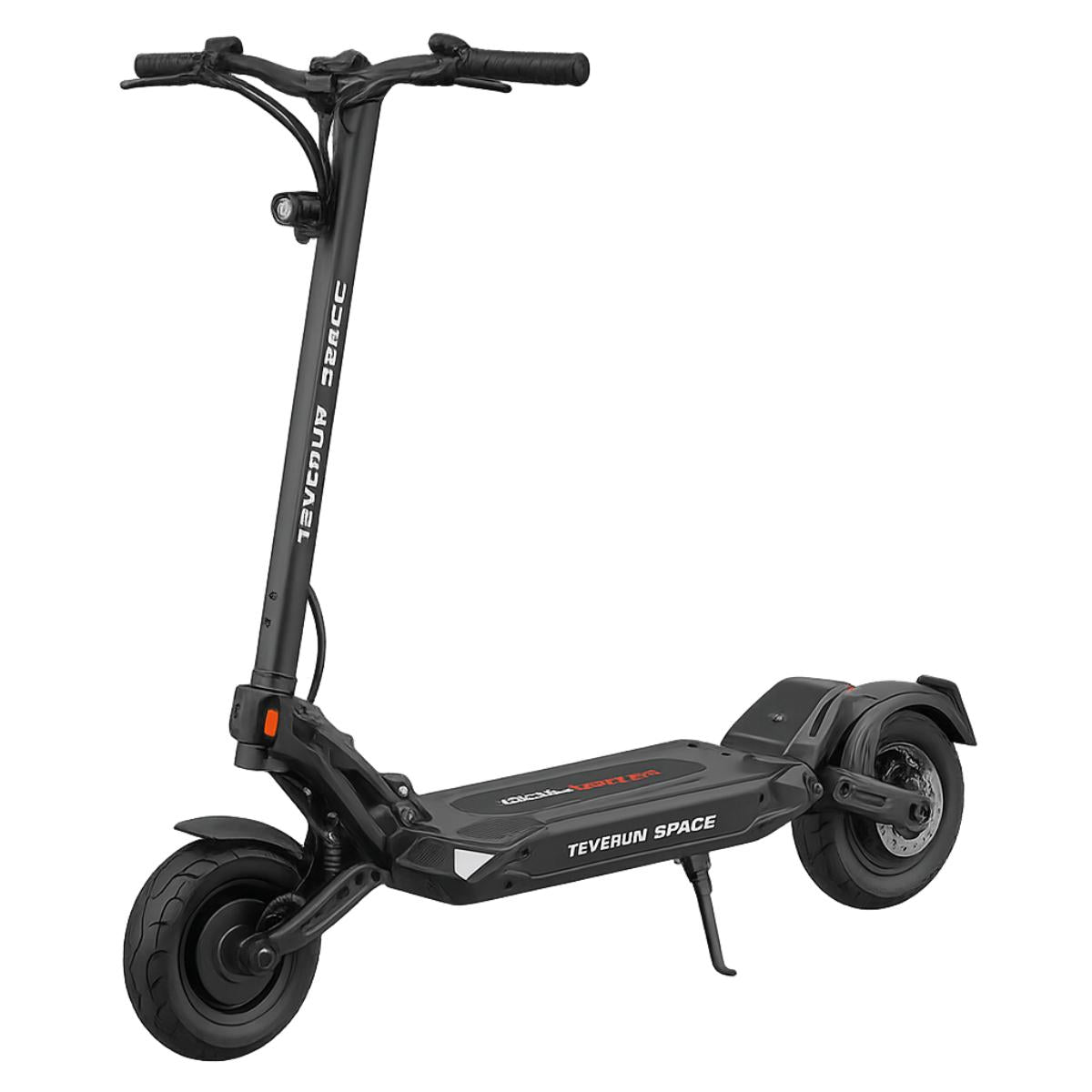
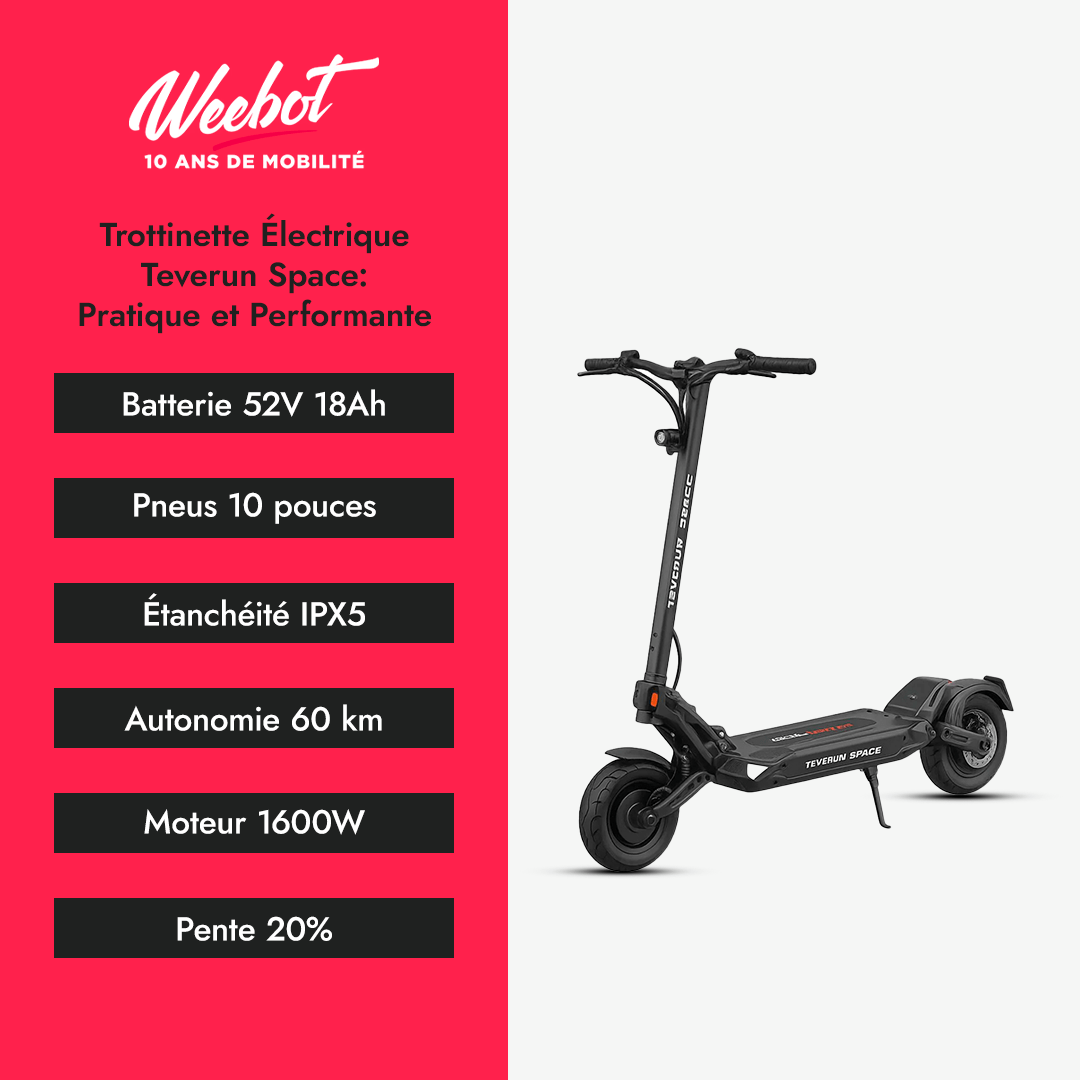 55 km/h 60 km 1600W52V 18Ah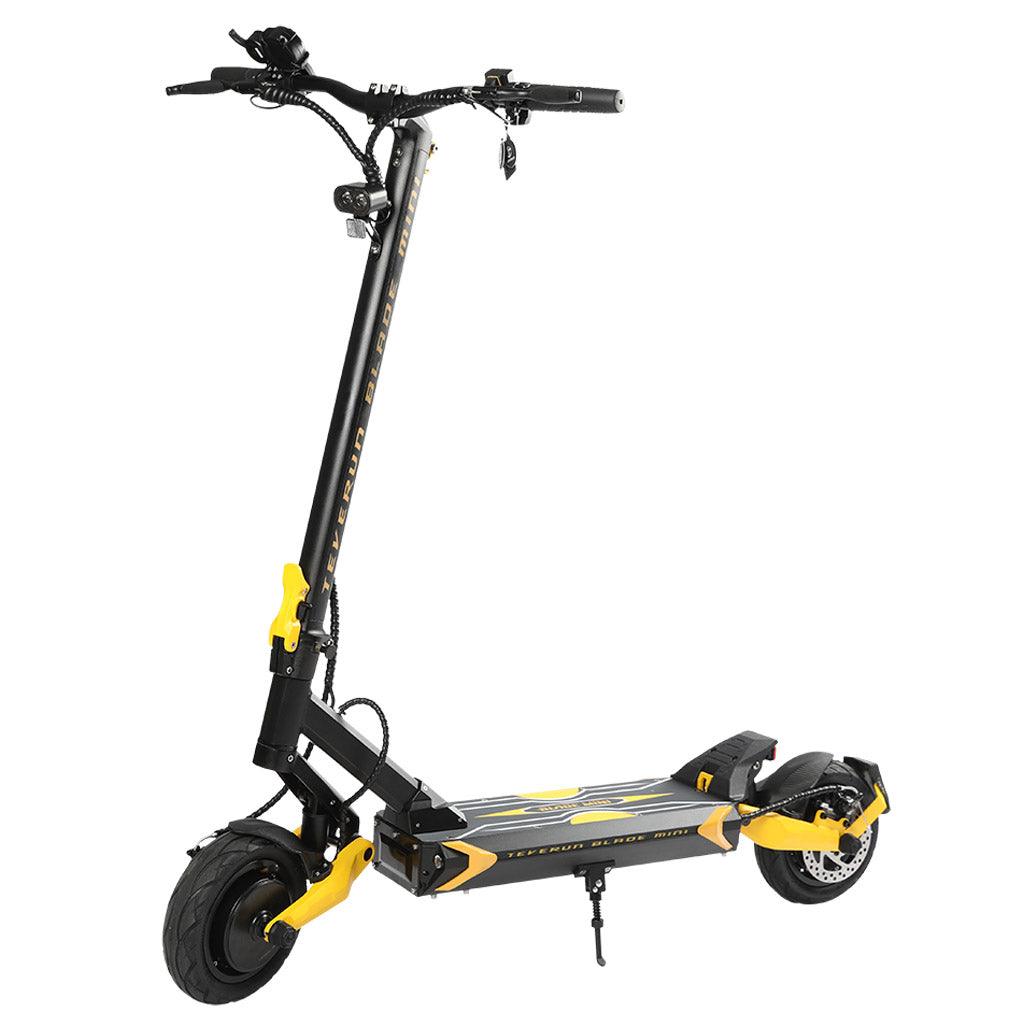
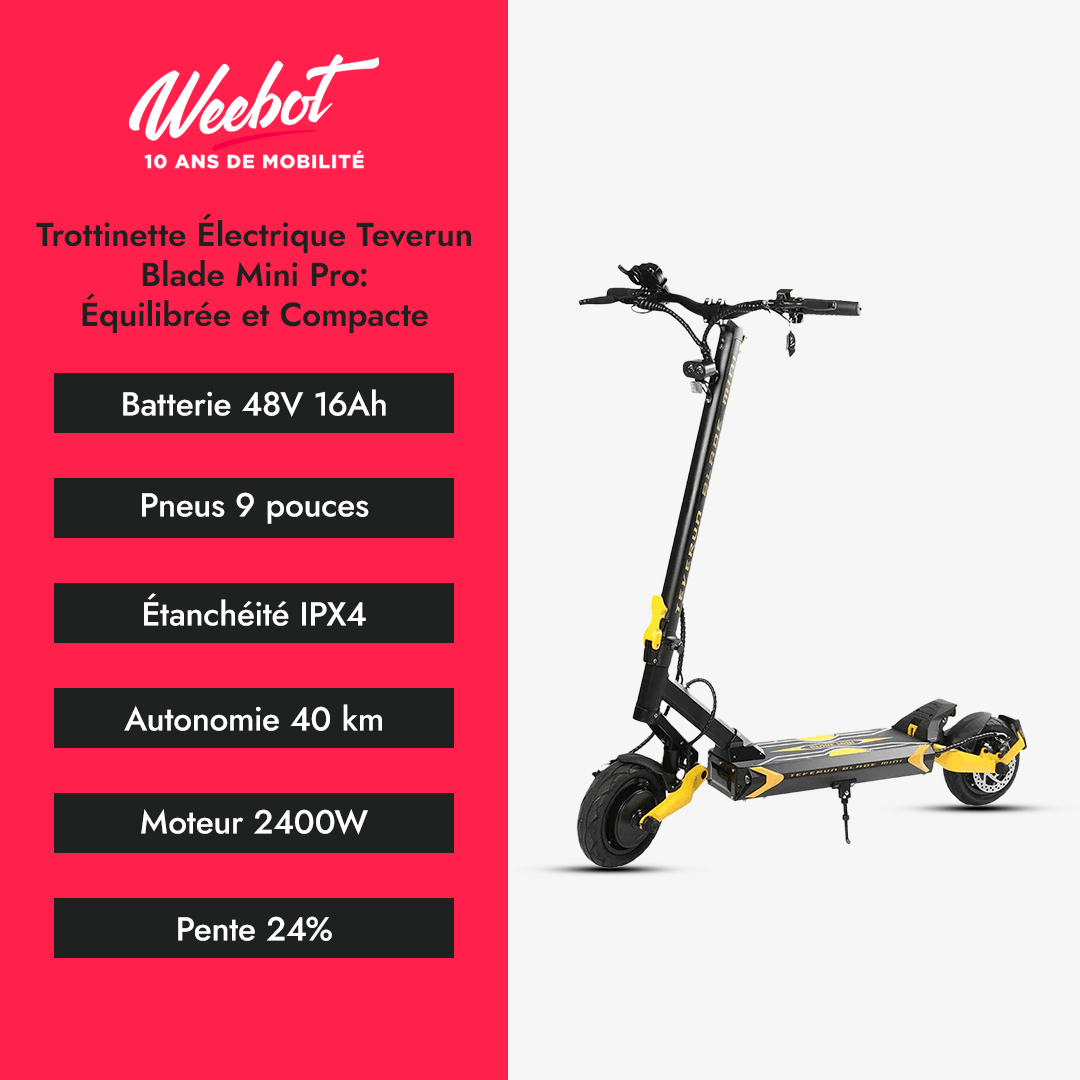 55 km/h40 km2000W48V 16Ah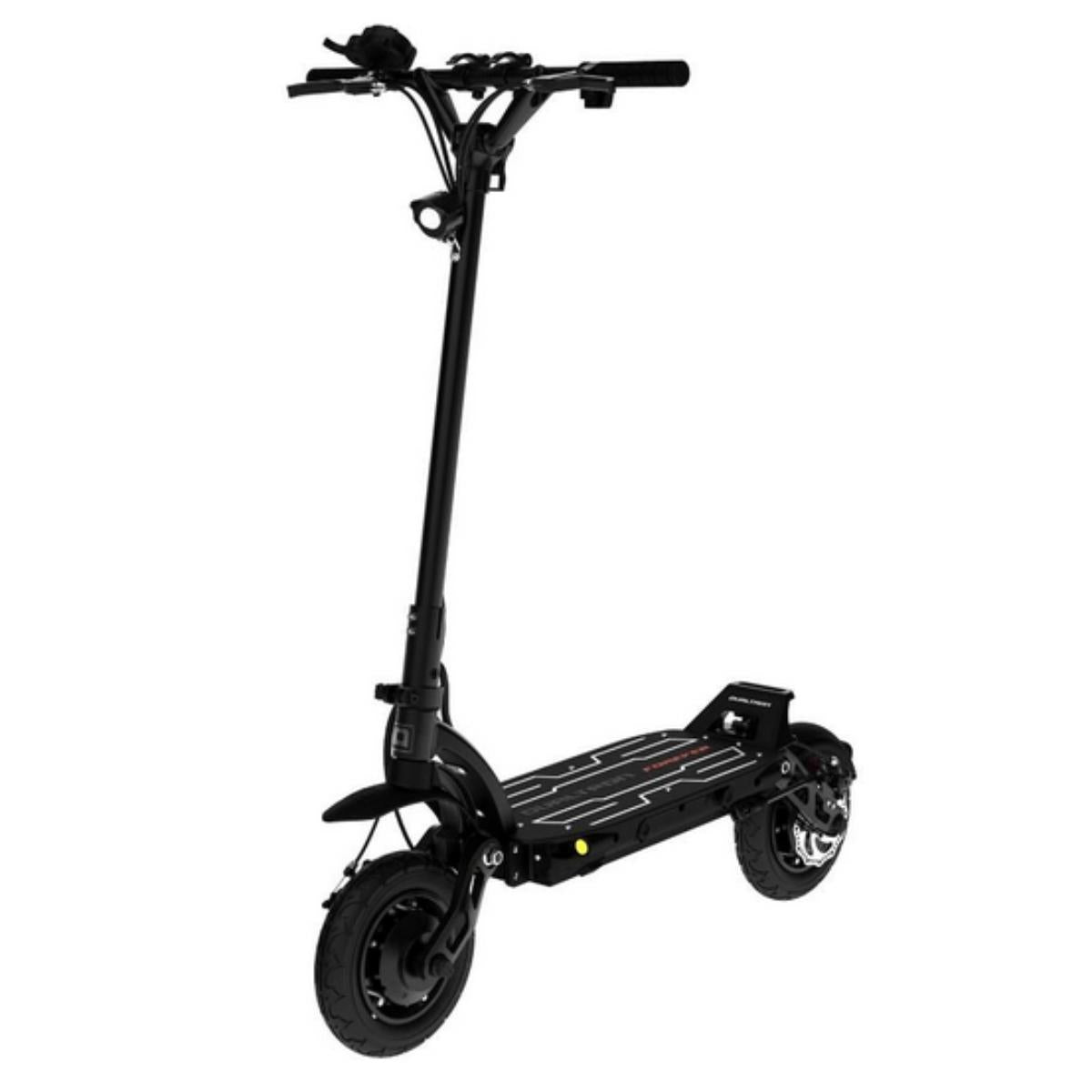
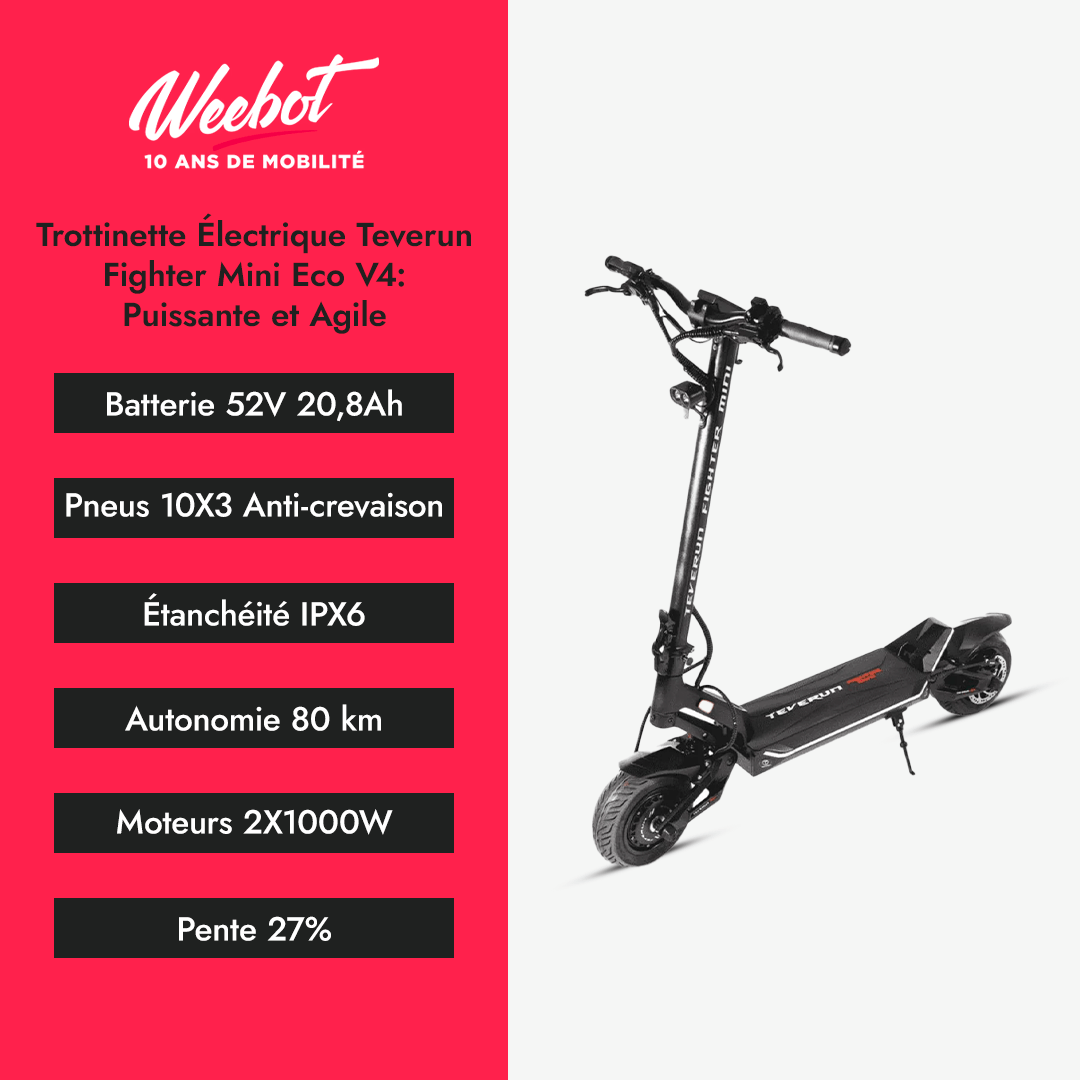
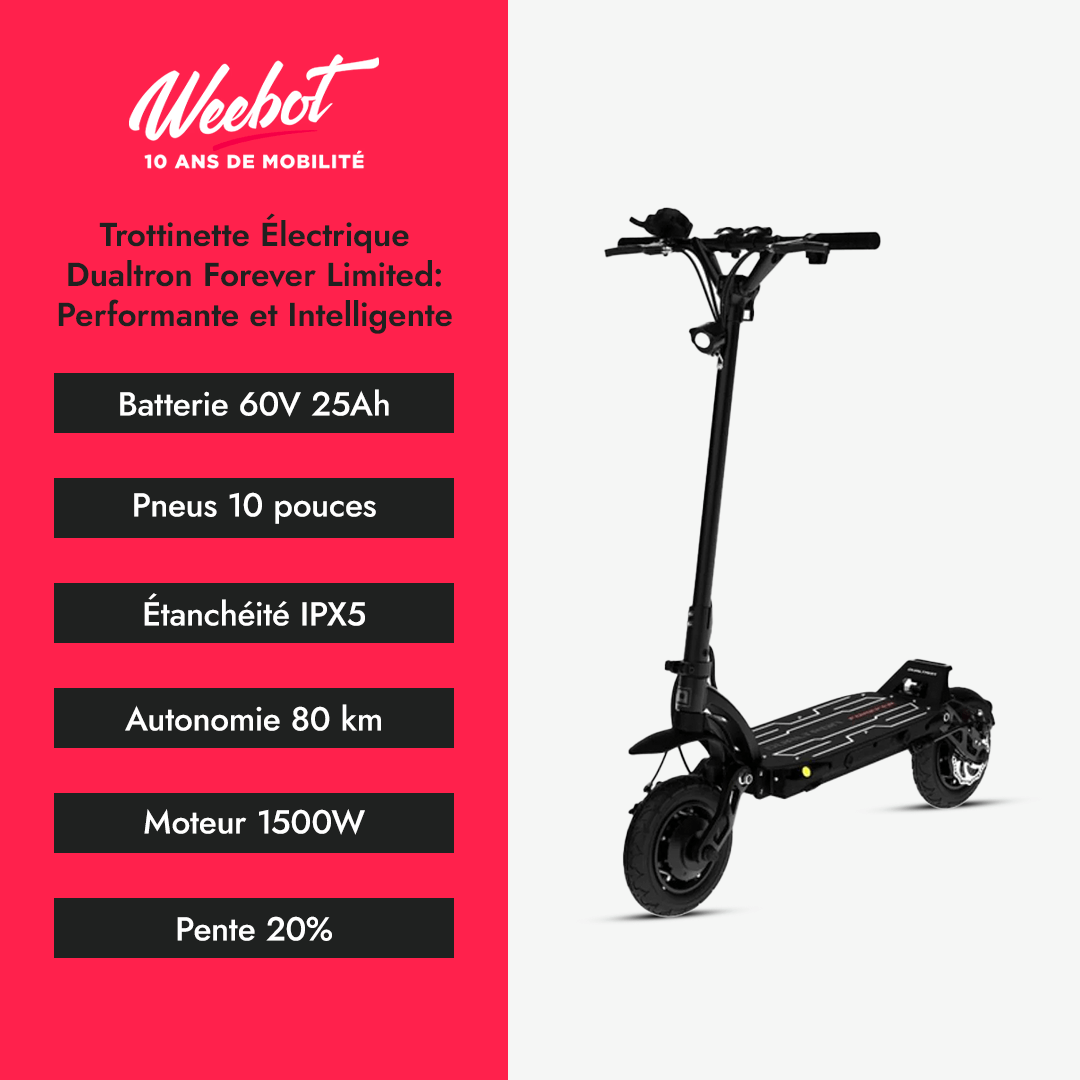 65 km/h 80 km500W60V 25Ah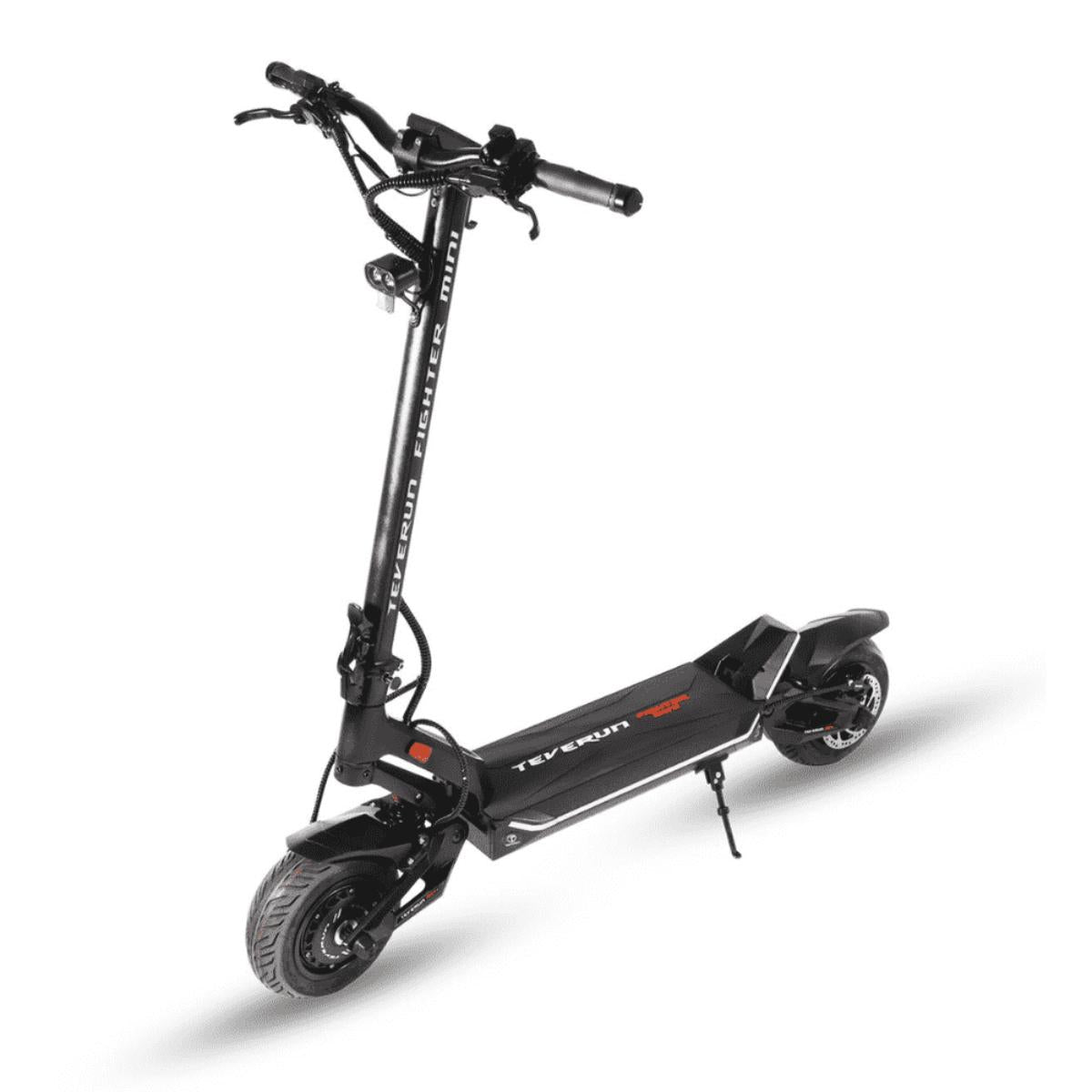
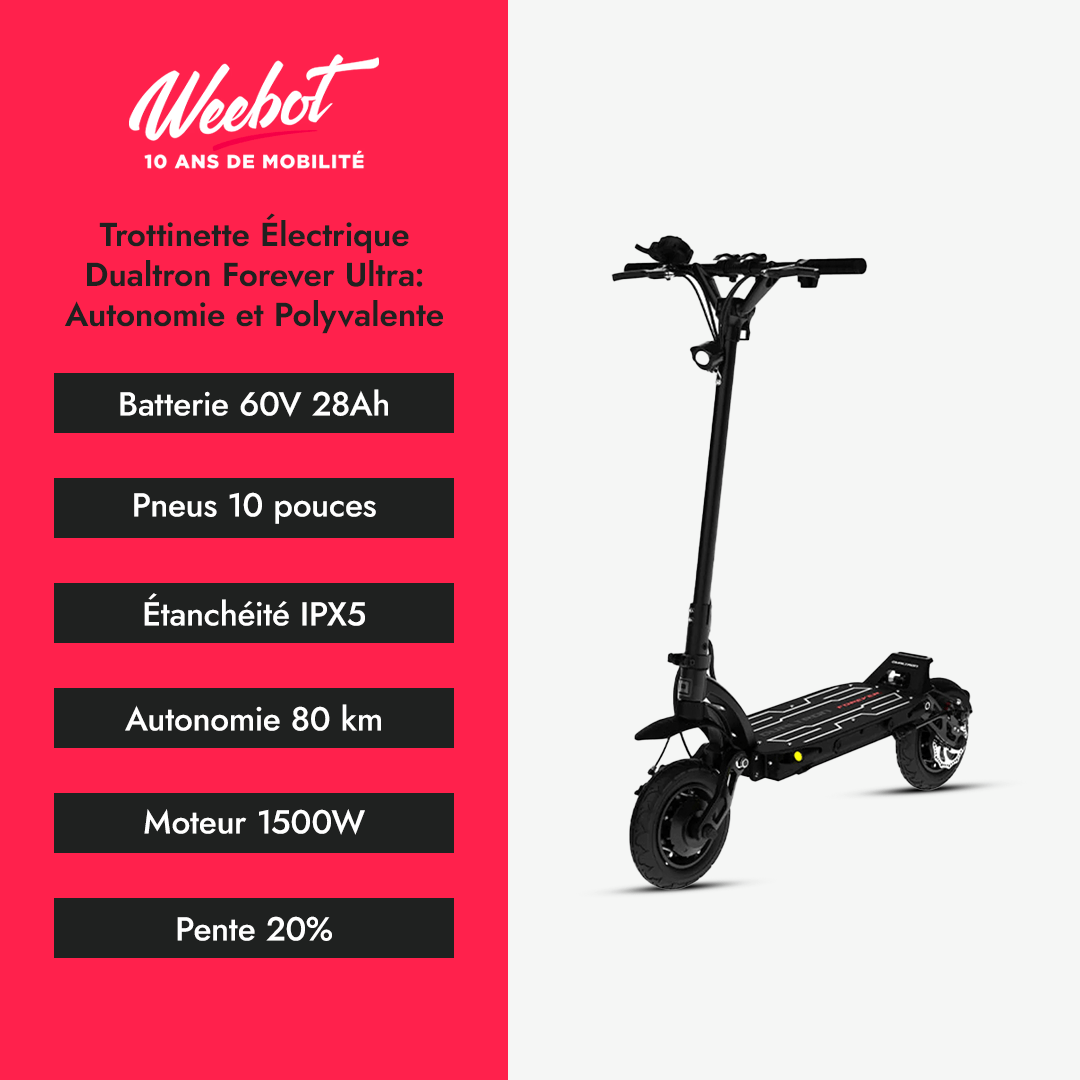
 60km/h 80 km2000W52V 20,8Ah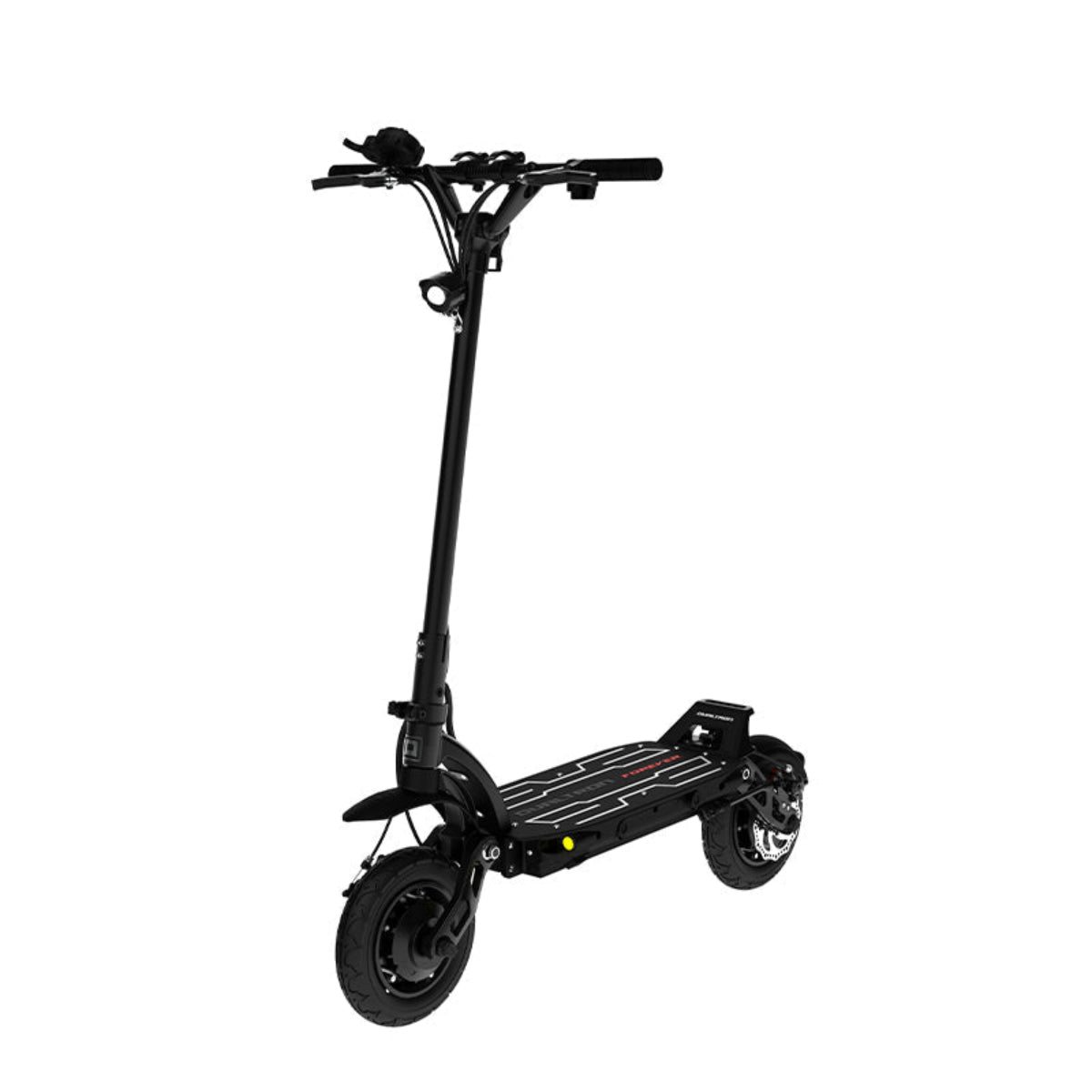
 65 km/h 50 km500W60V 28Ah
 65km/h--> 140km1 600W60V 52Ah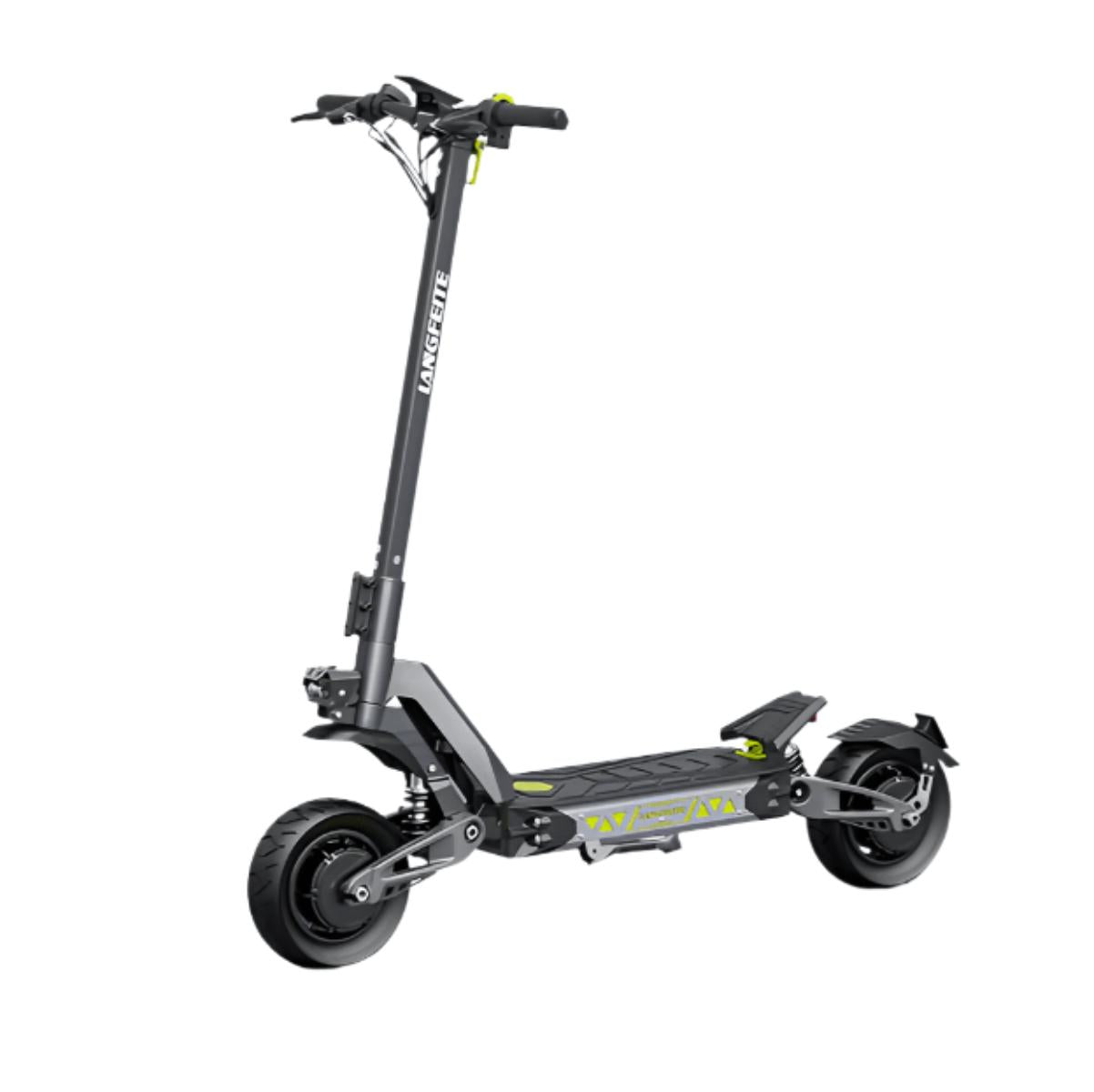
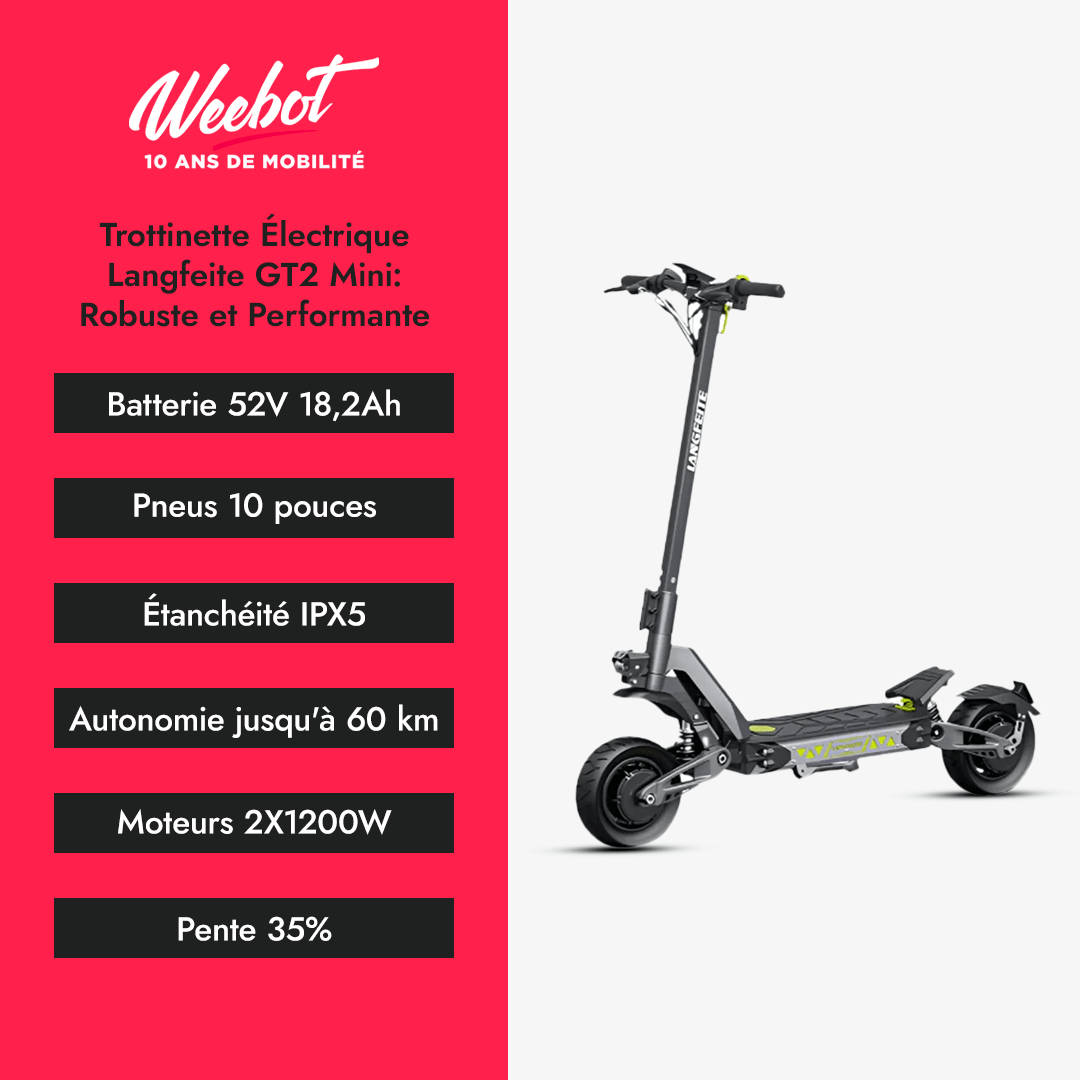 60 km/h 60 km2500W52V 18,2Ah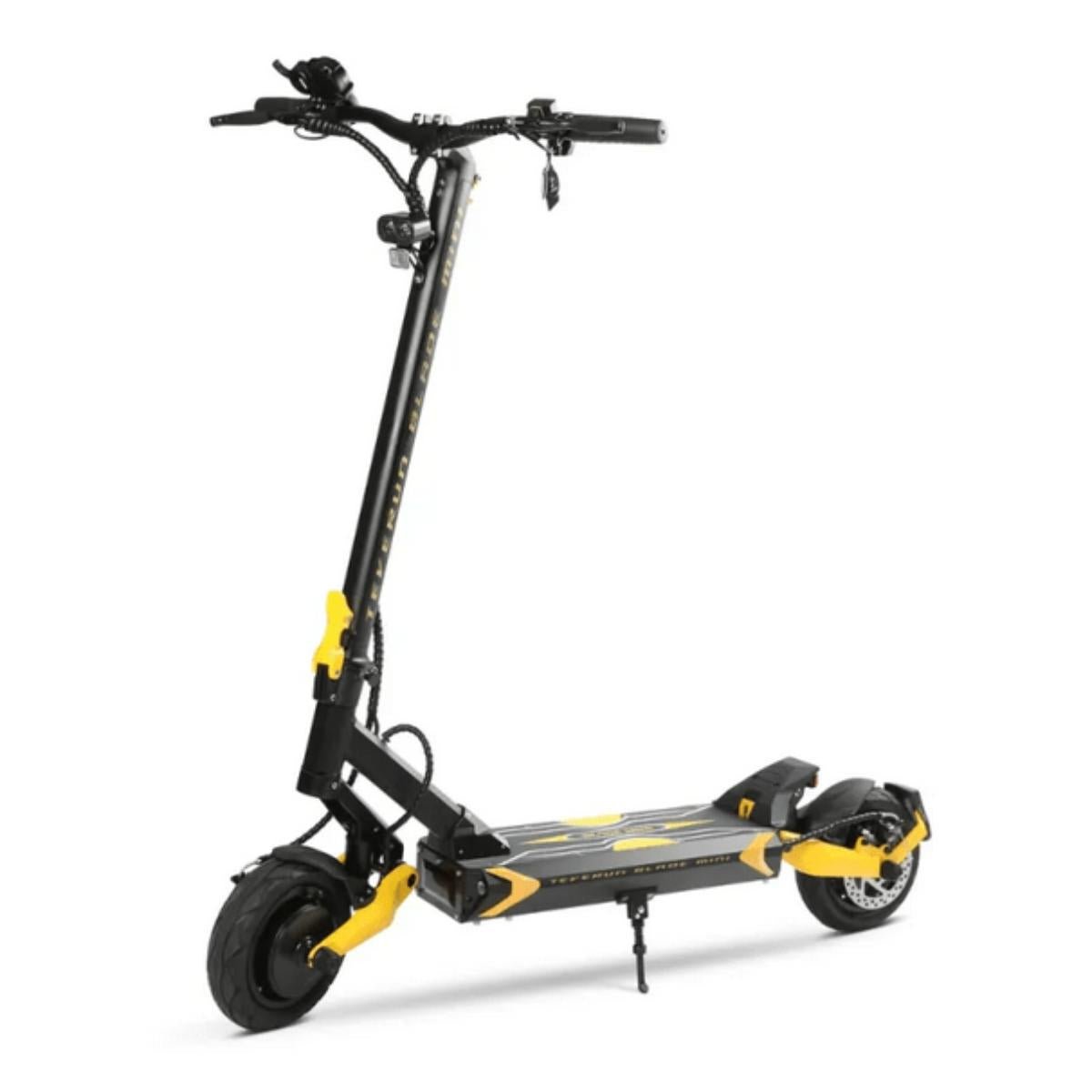
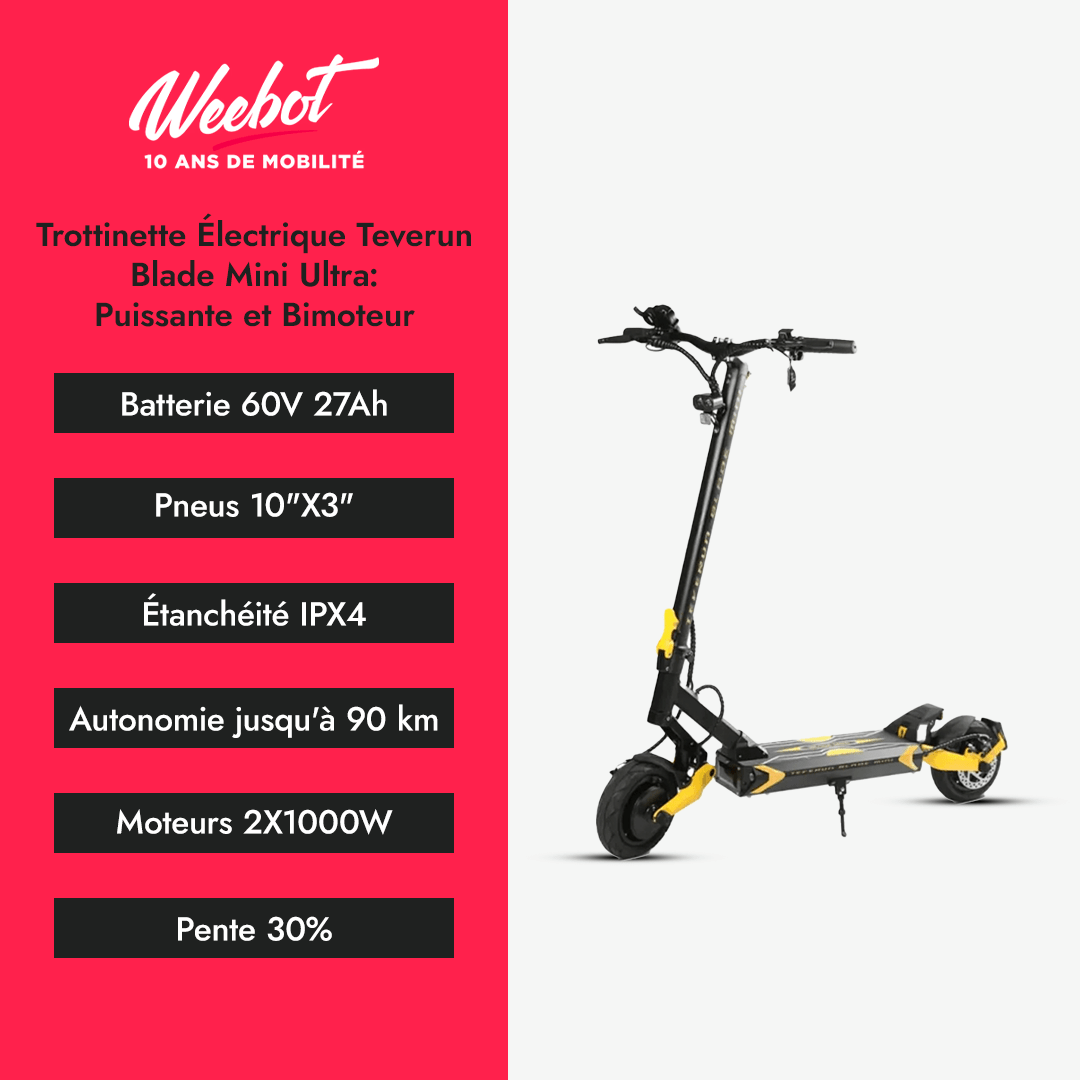 60 km/h 90 km2000W60V 27Ah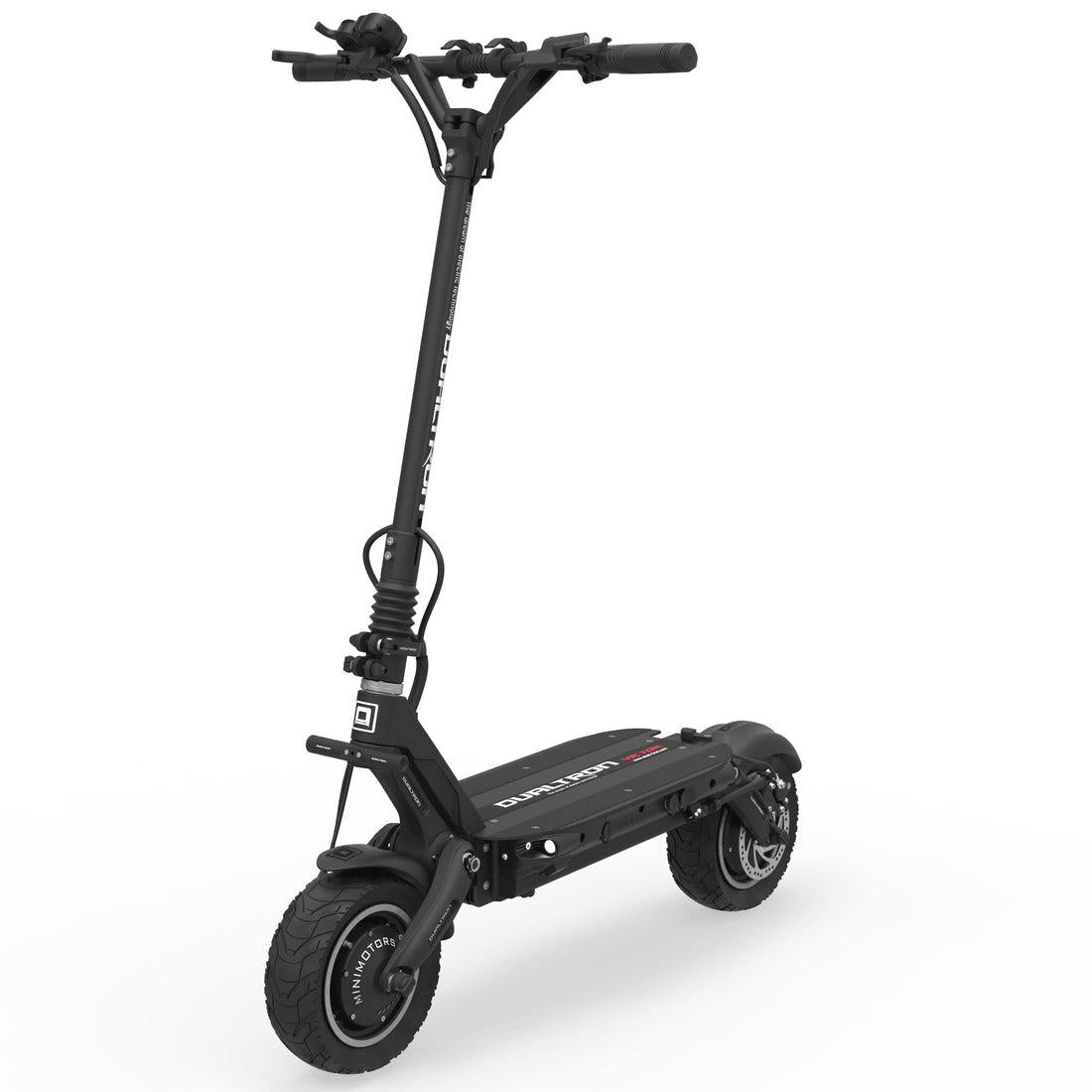
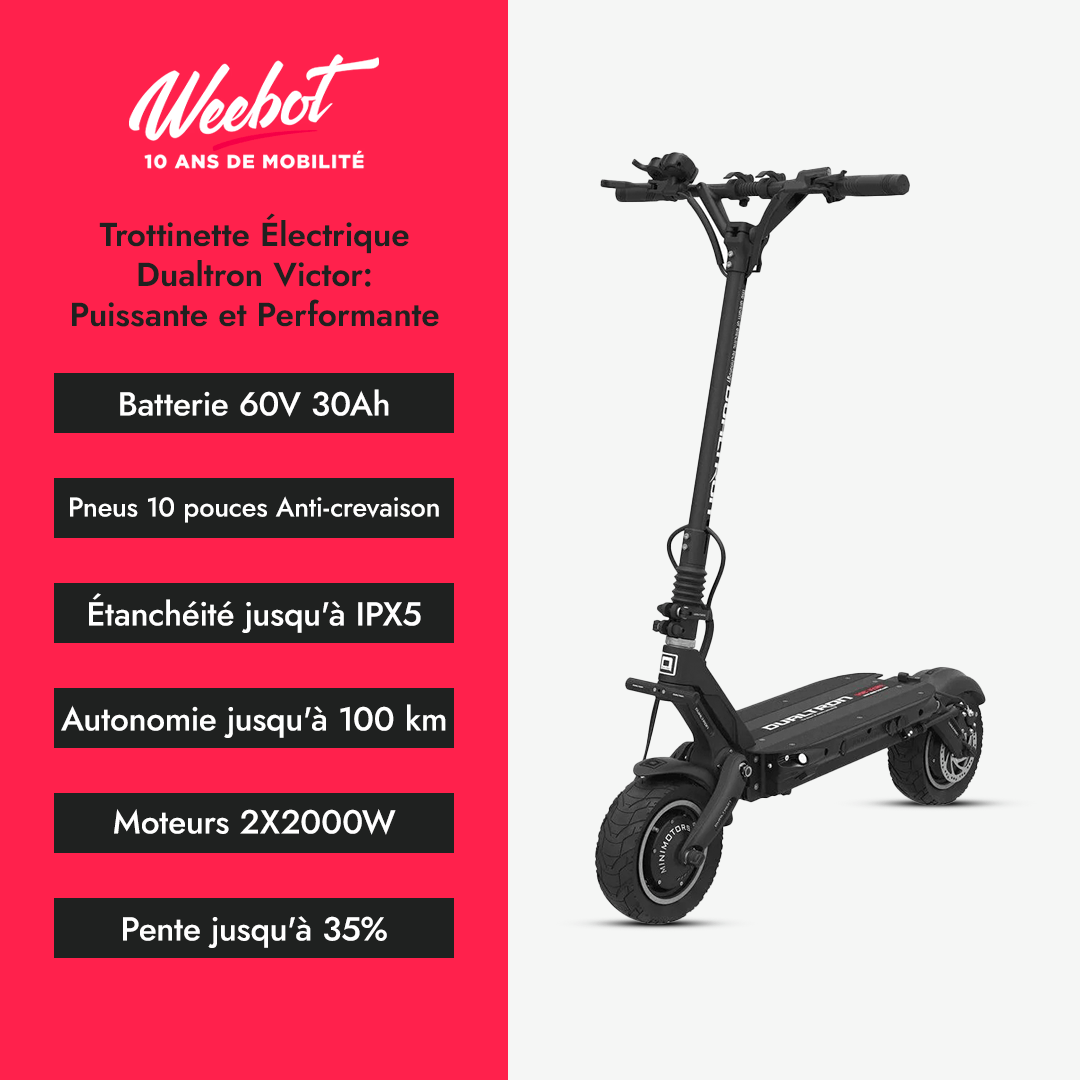 80 km/h100 km 2x2000W60V 30Ah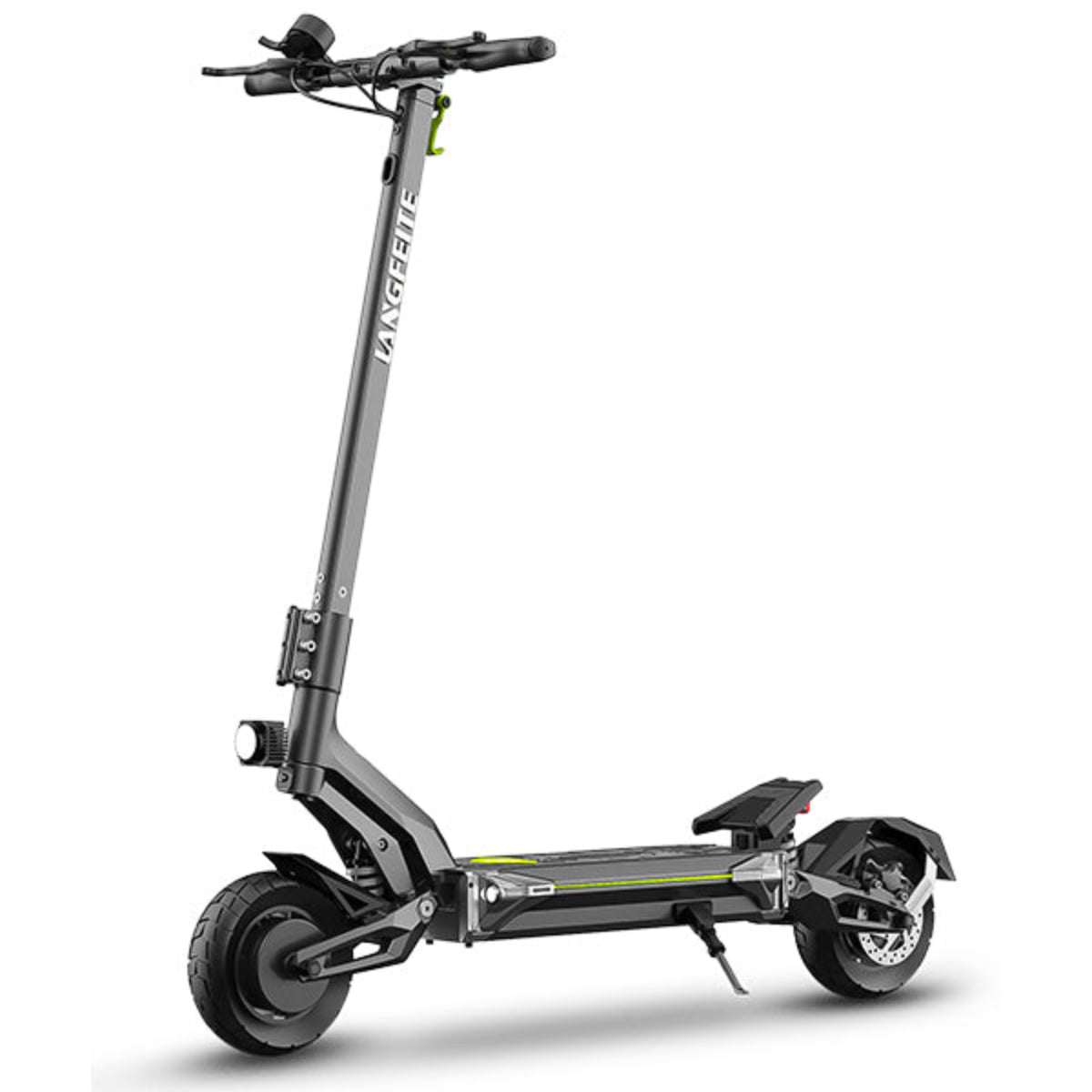
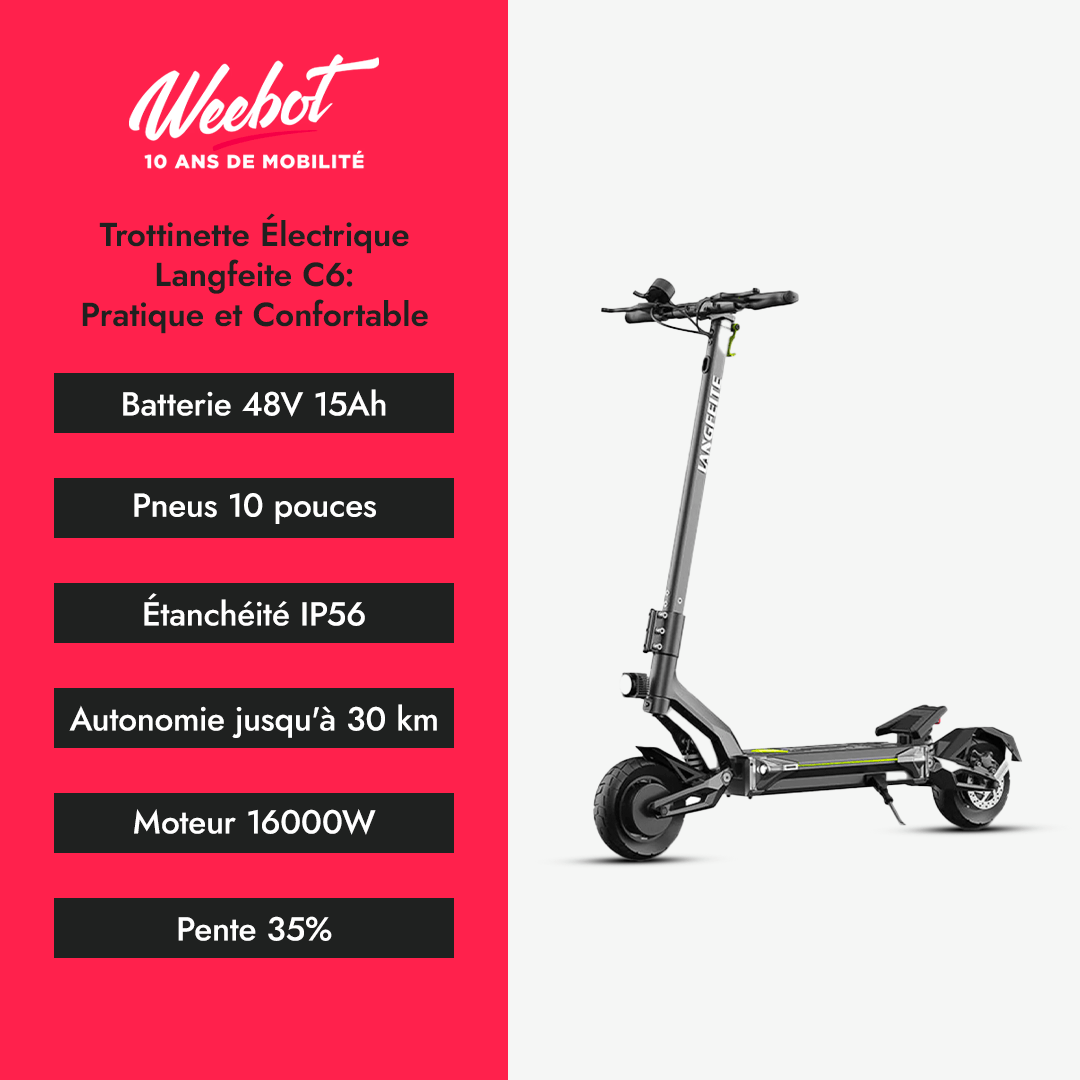 25 km/h 30 km1500W48V 15Ah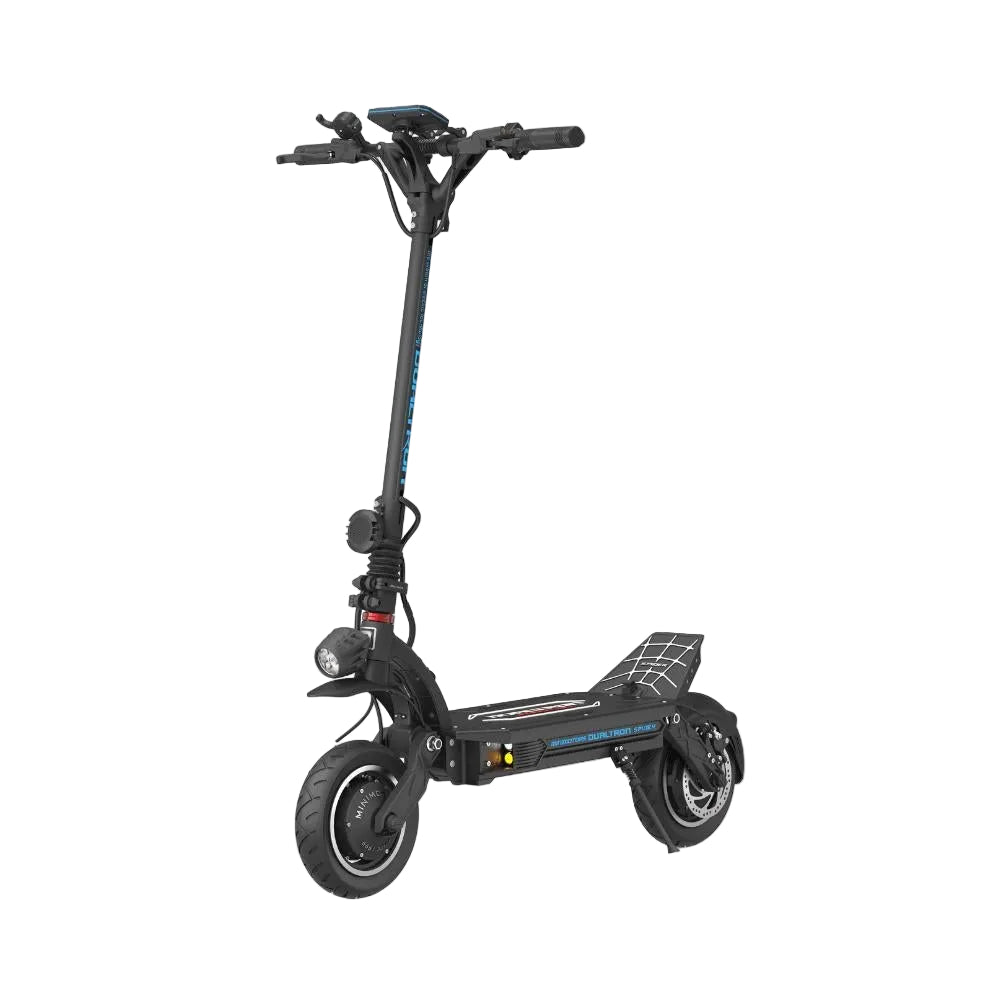
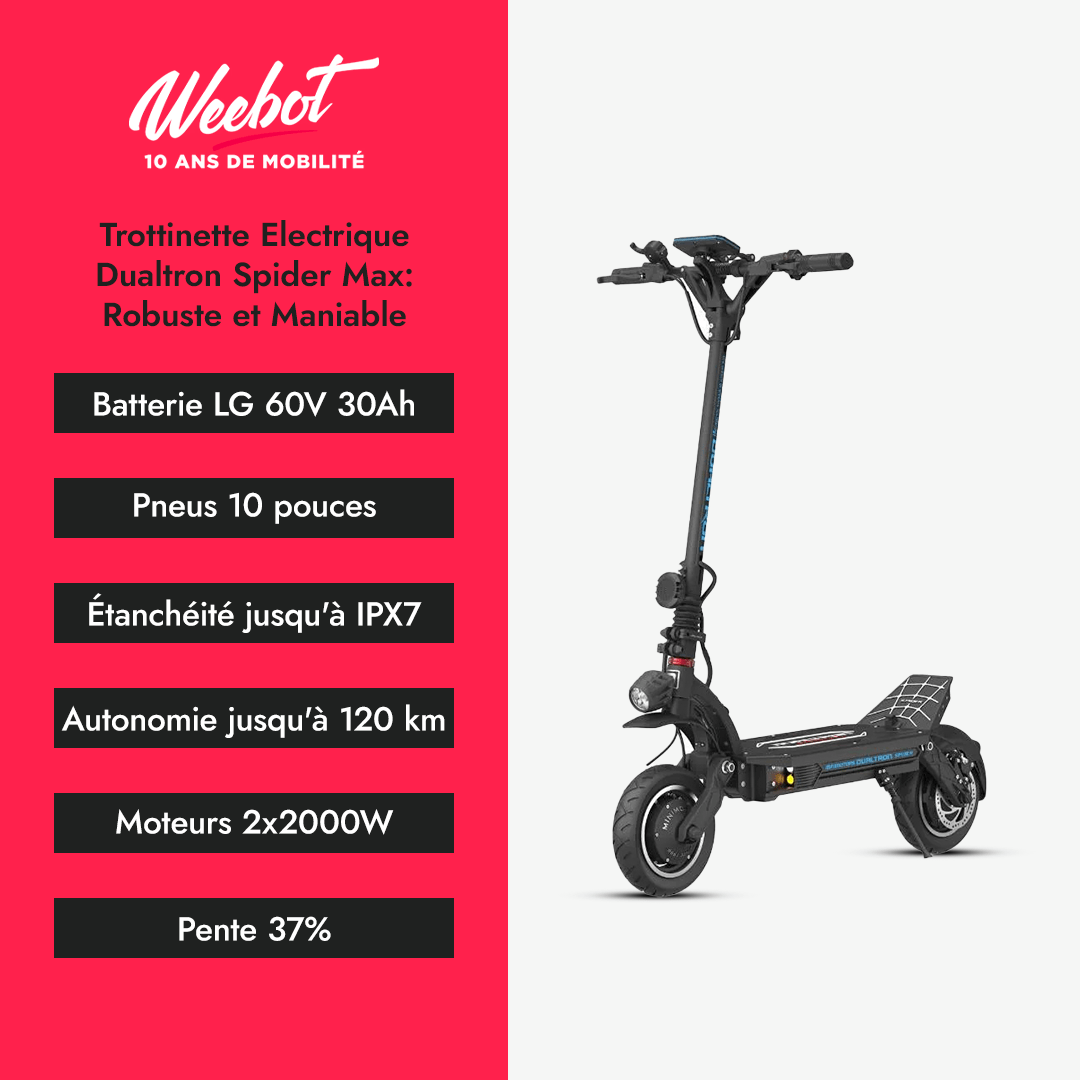 80 km/h --> 120 km4000W60V 30Ah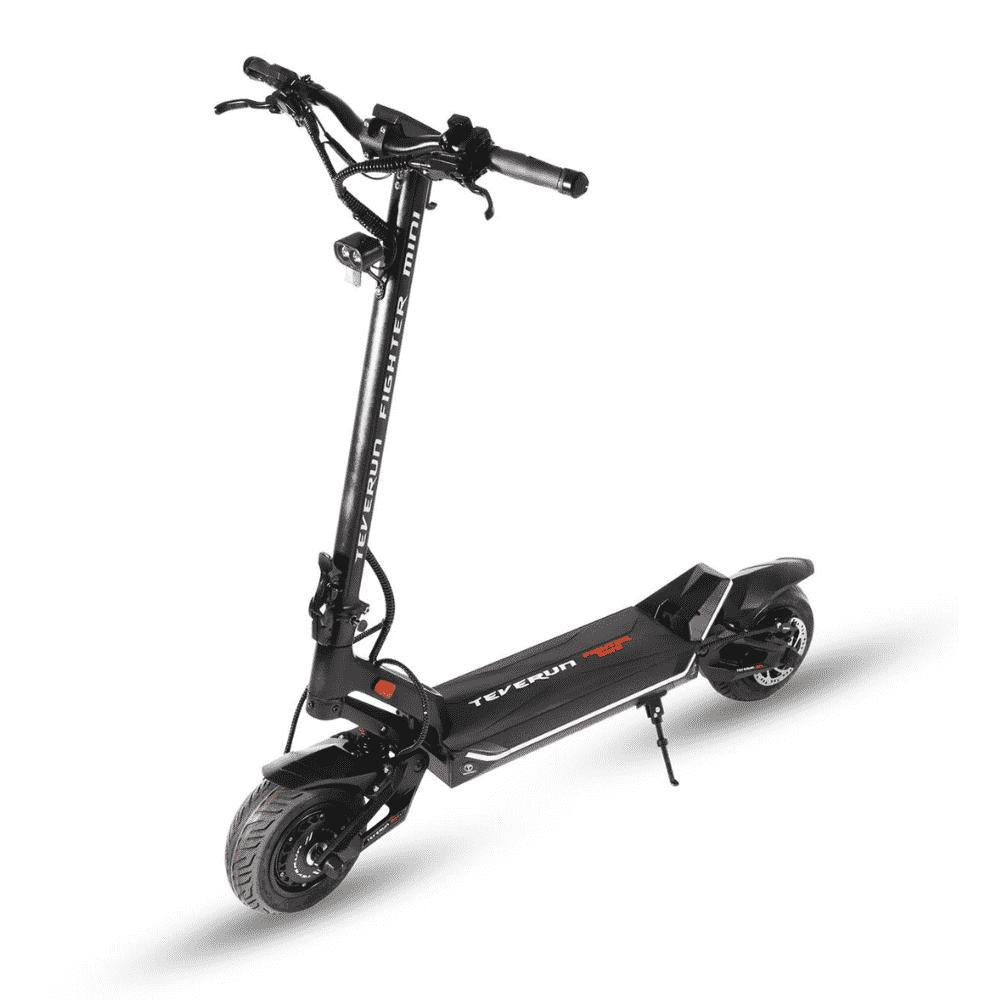
 60 km/h100 km2000W52V 25Ah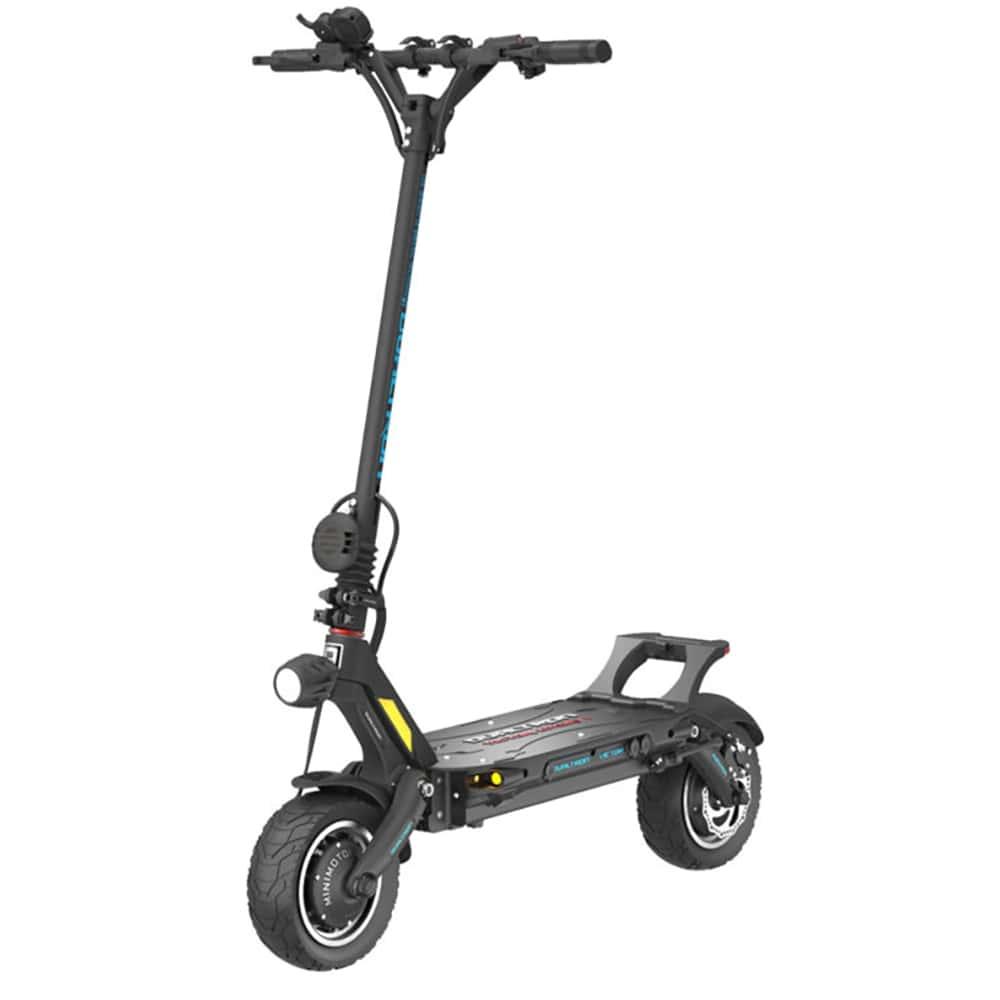
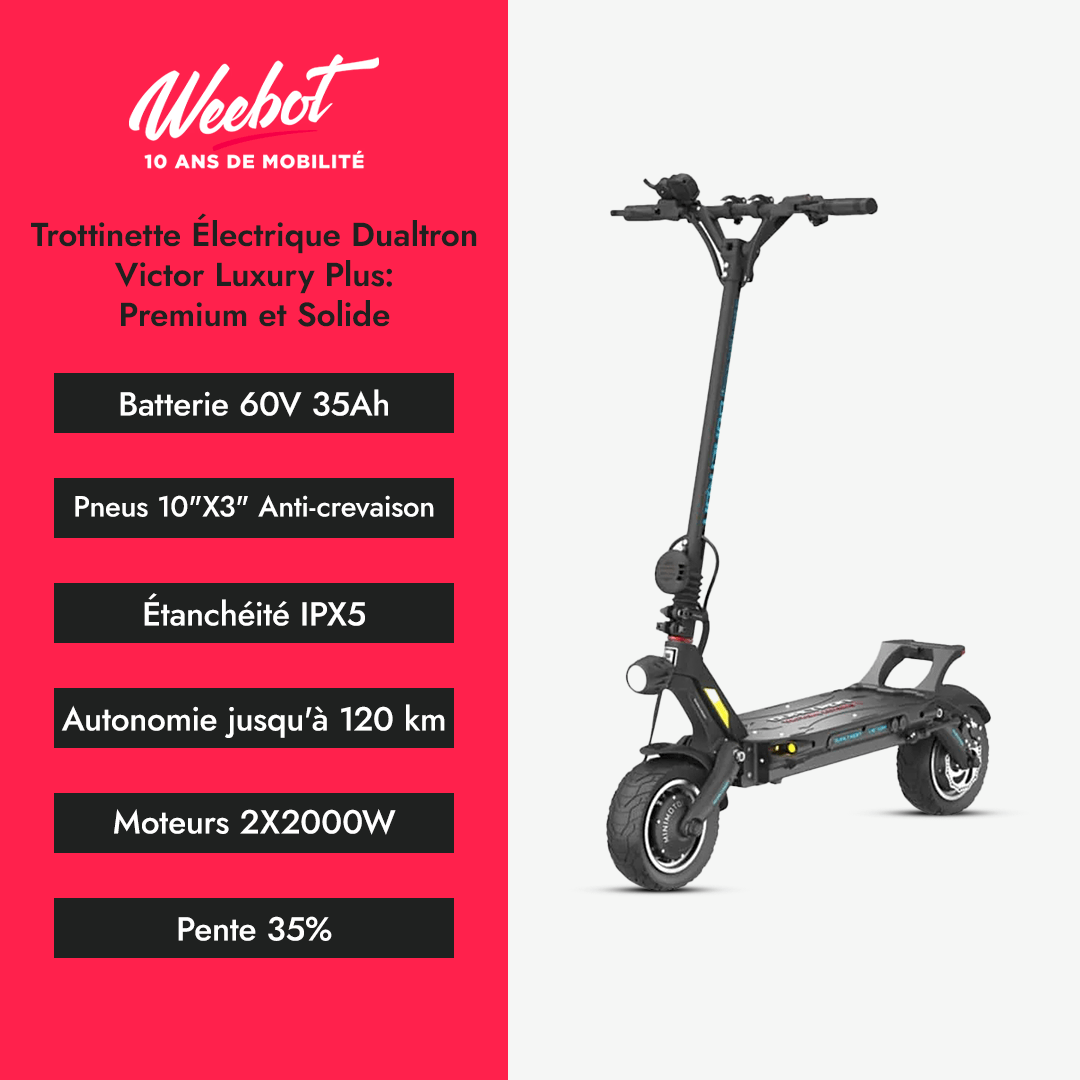 85 km/h120 km4000W60V 35Ah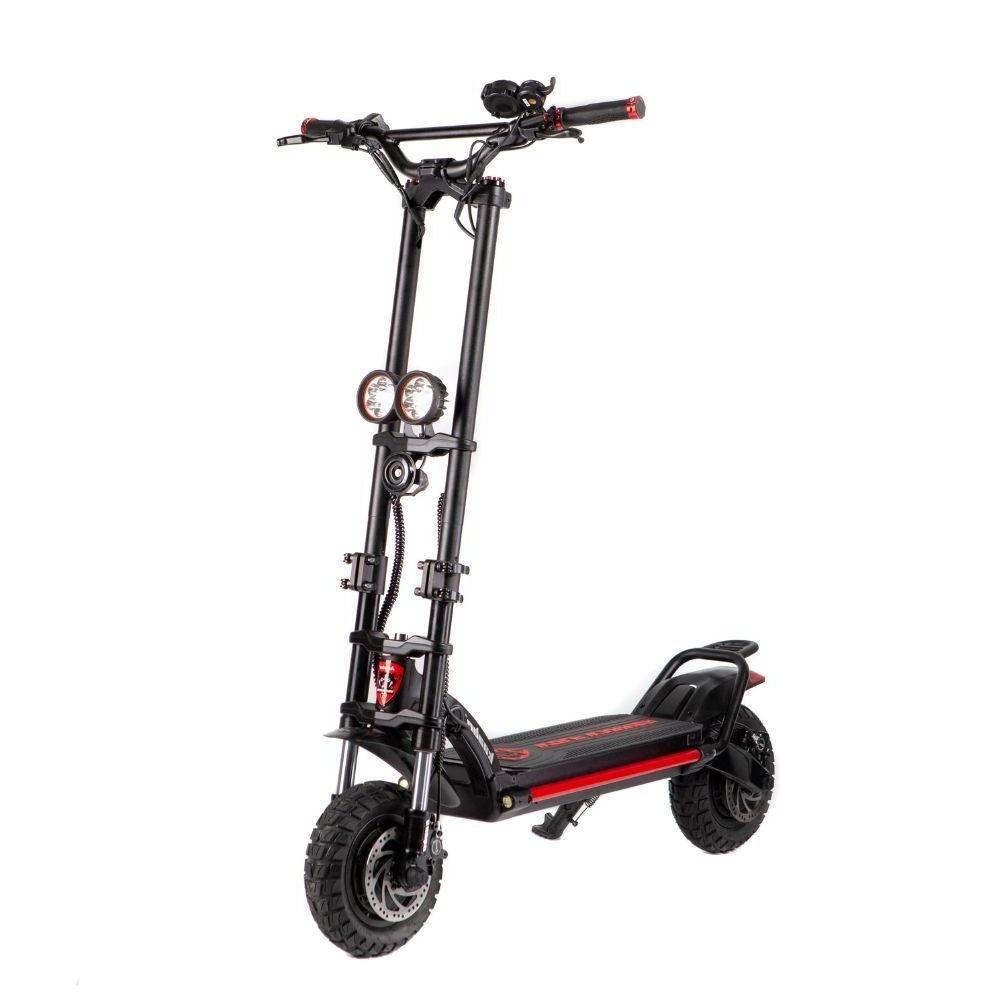
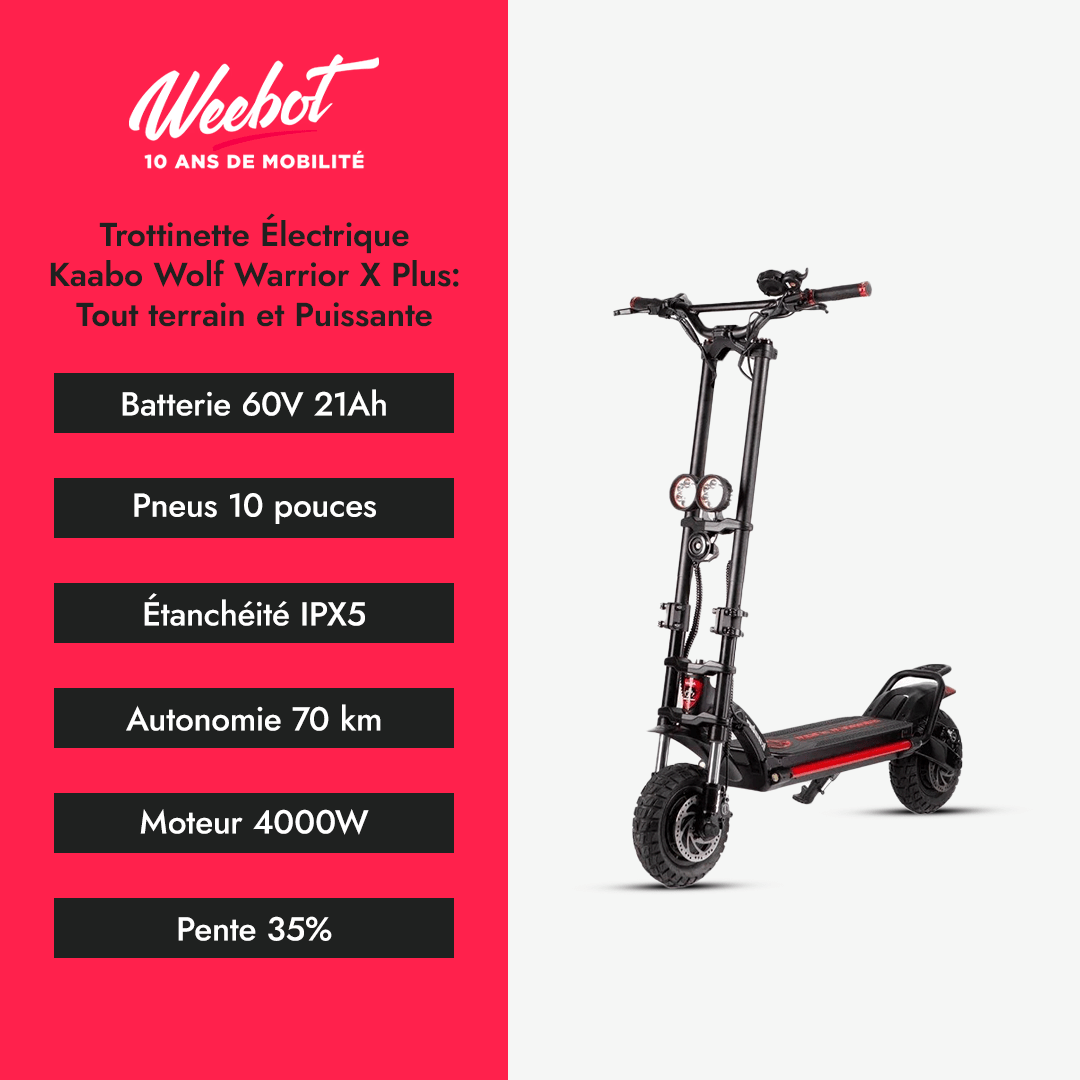 70 km/h 70 km2000W60V 21Ah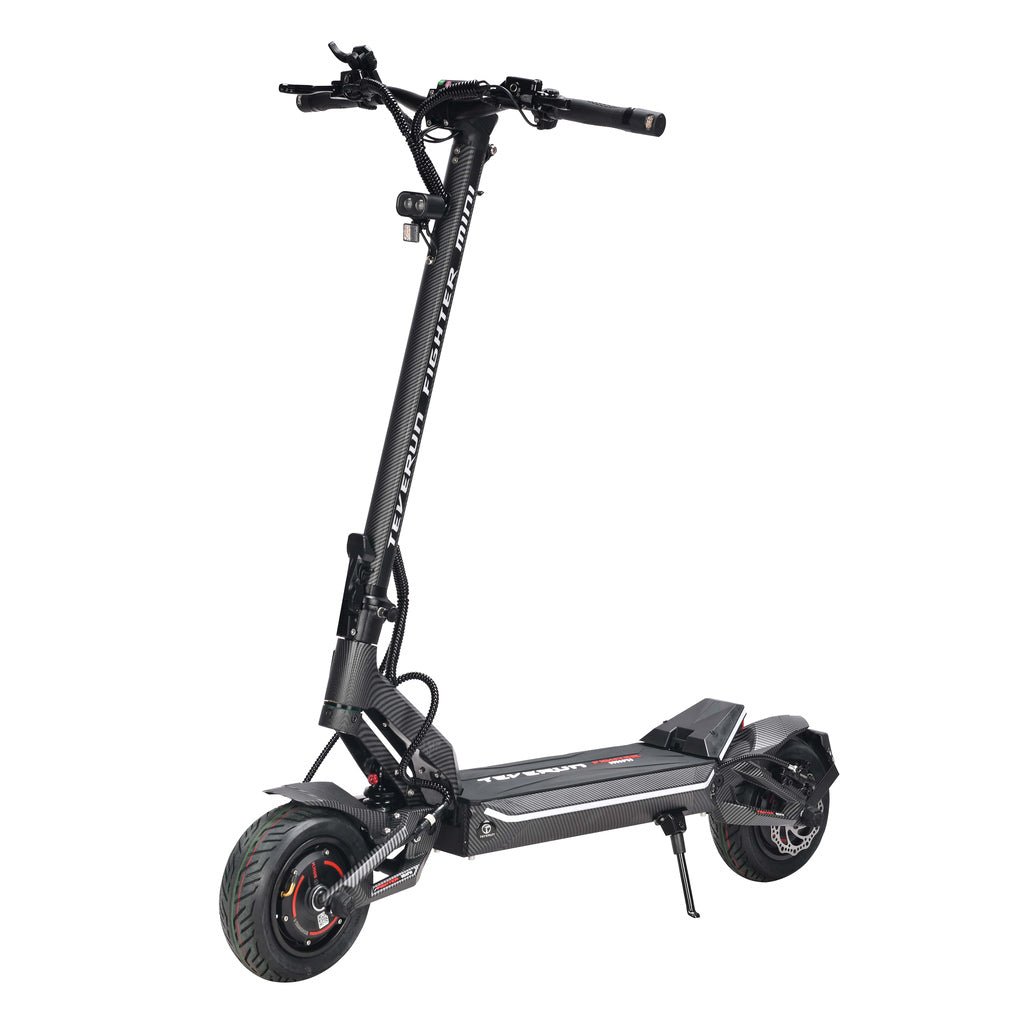
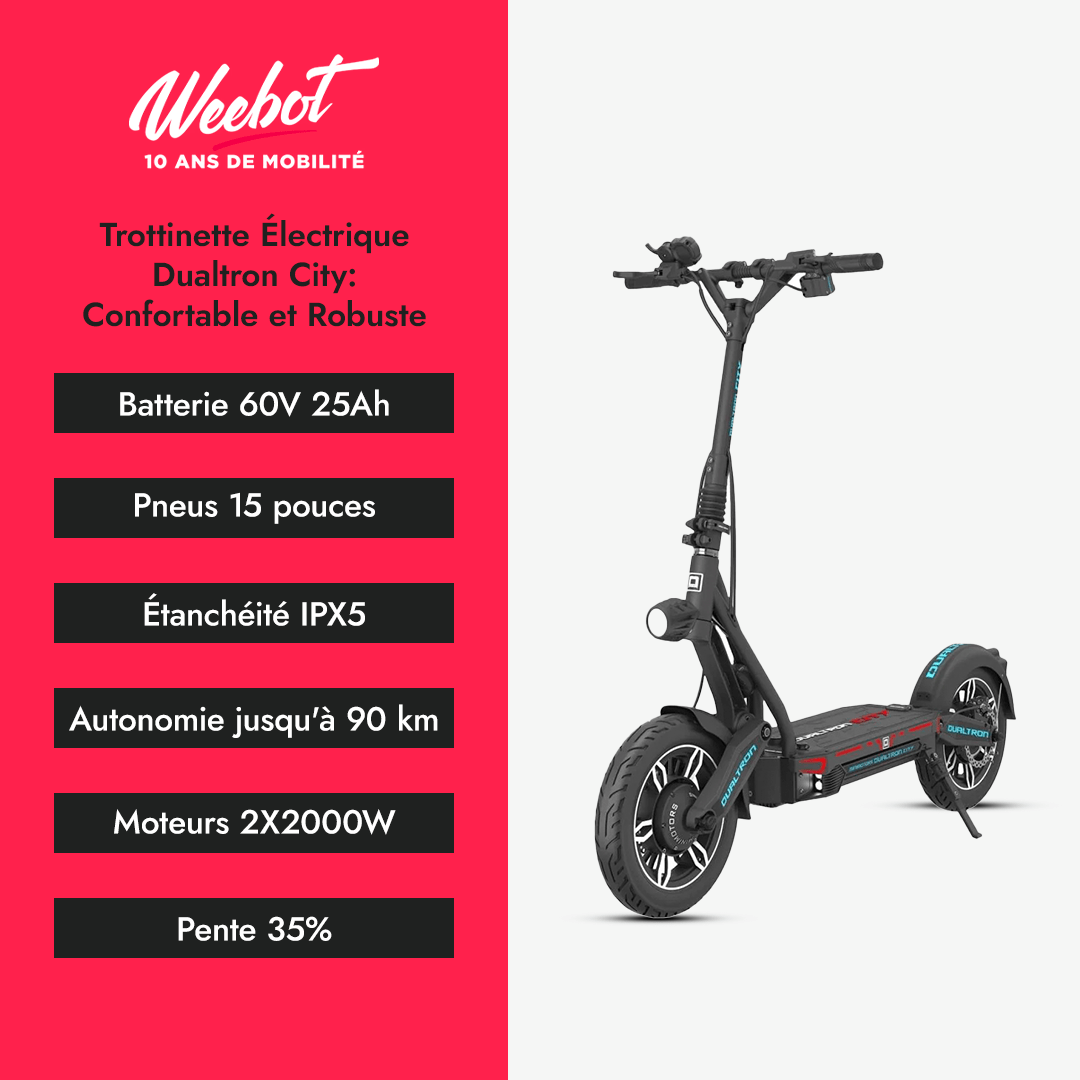
 70 km/h80 km2000W60V 25Ah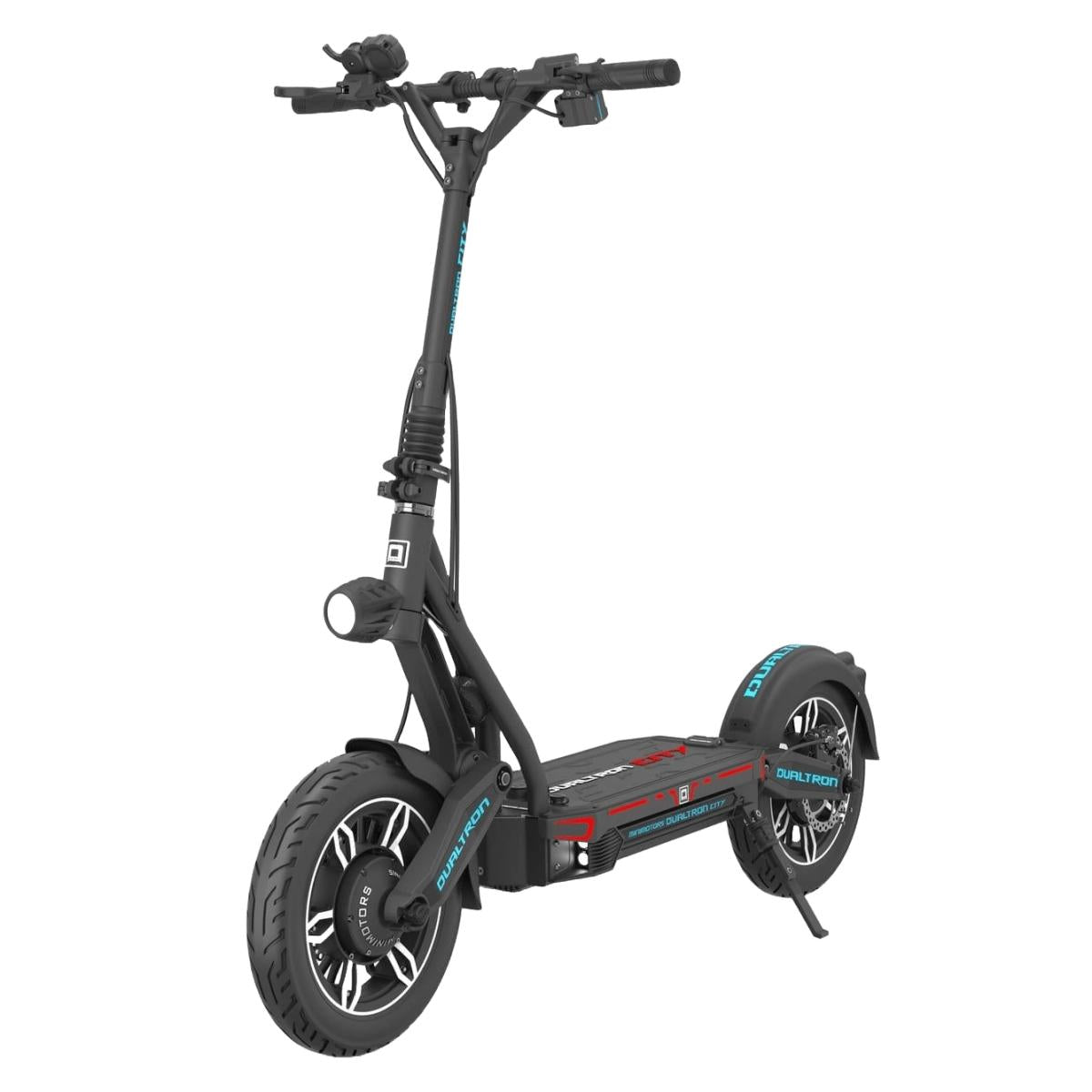
 70 km/h --> 90 km4000W60V 25Ah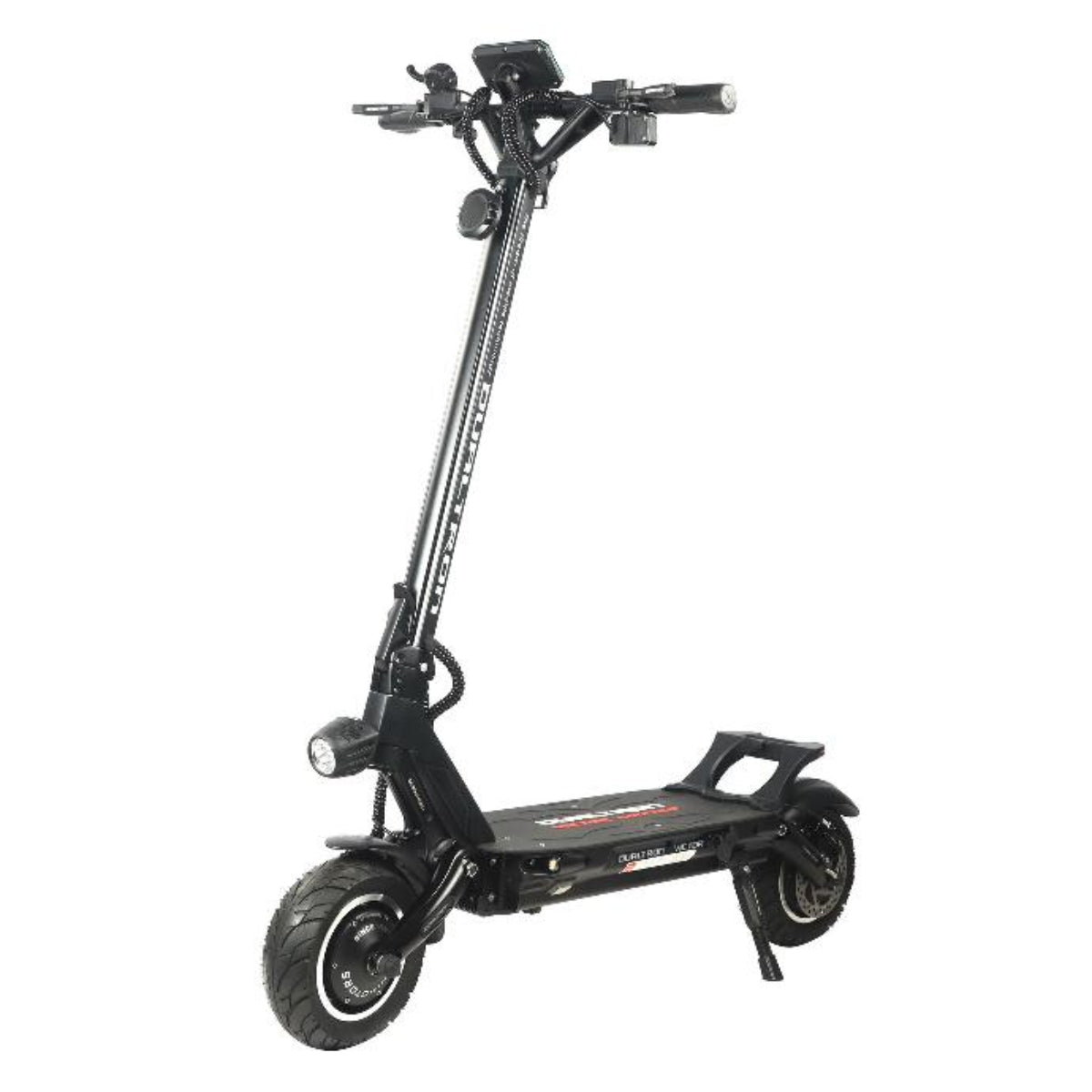
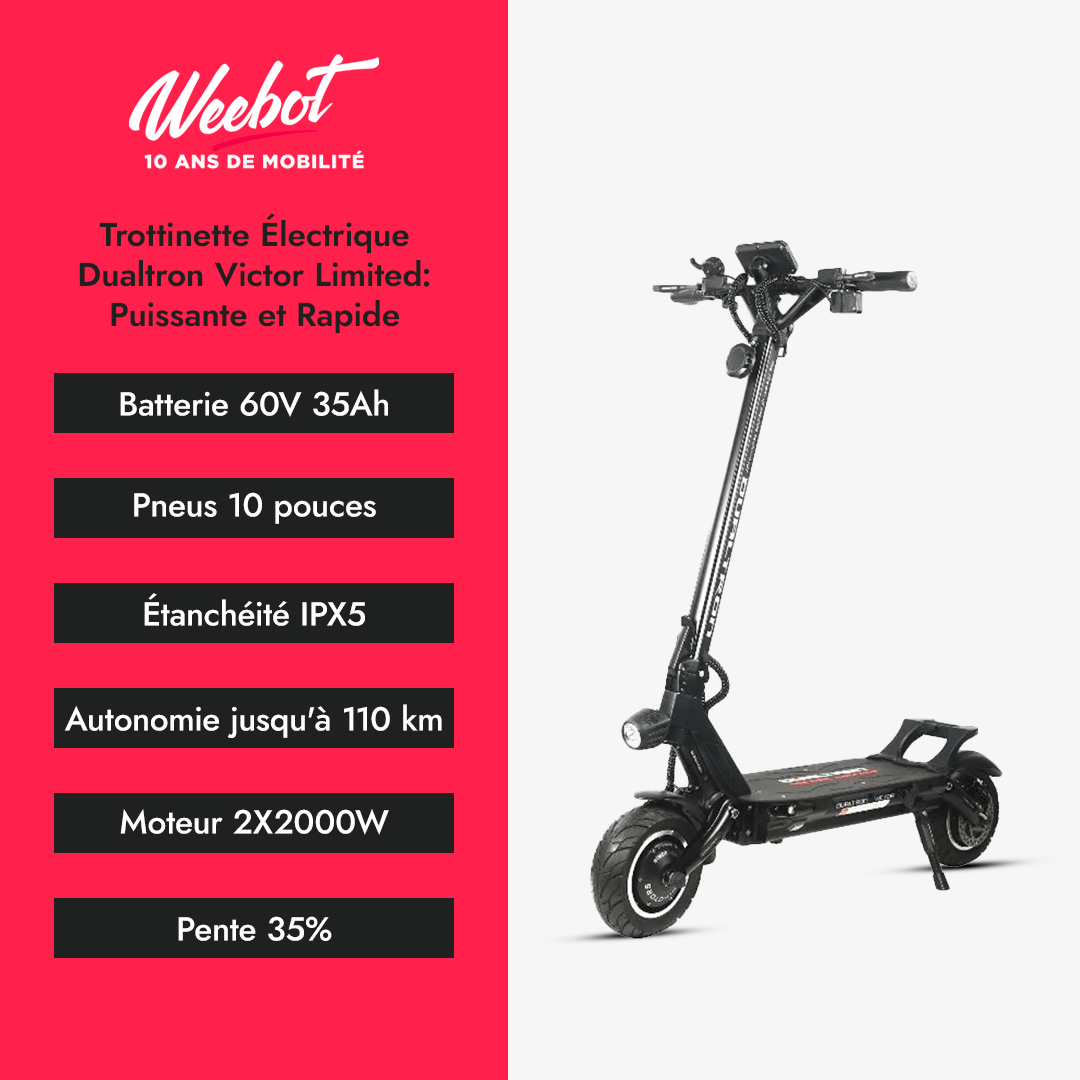 85 km/h 110 km 4000W60V 35Ah
 67 km/h90 km 2×1450 W52V 30Ah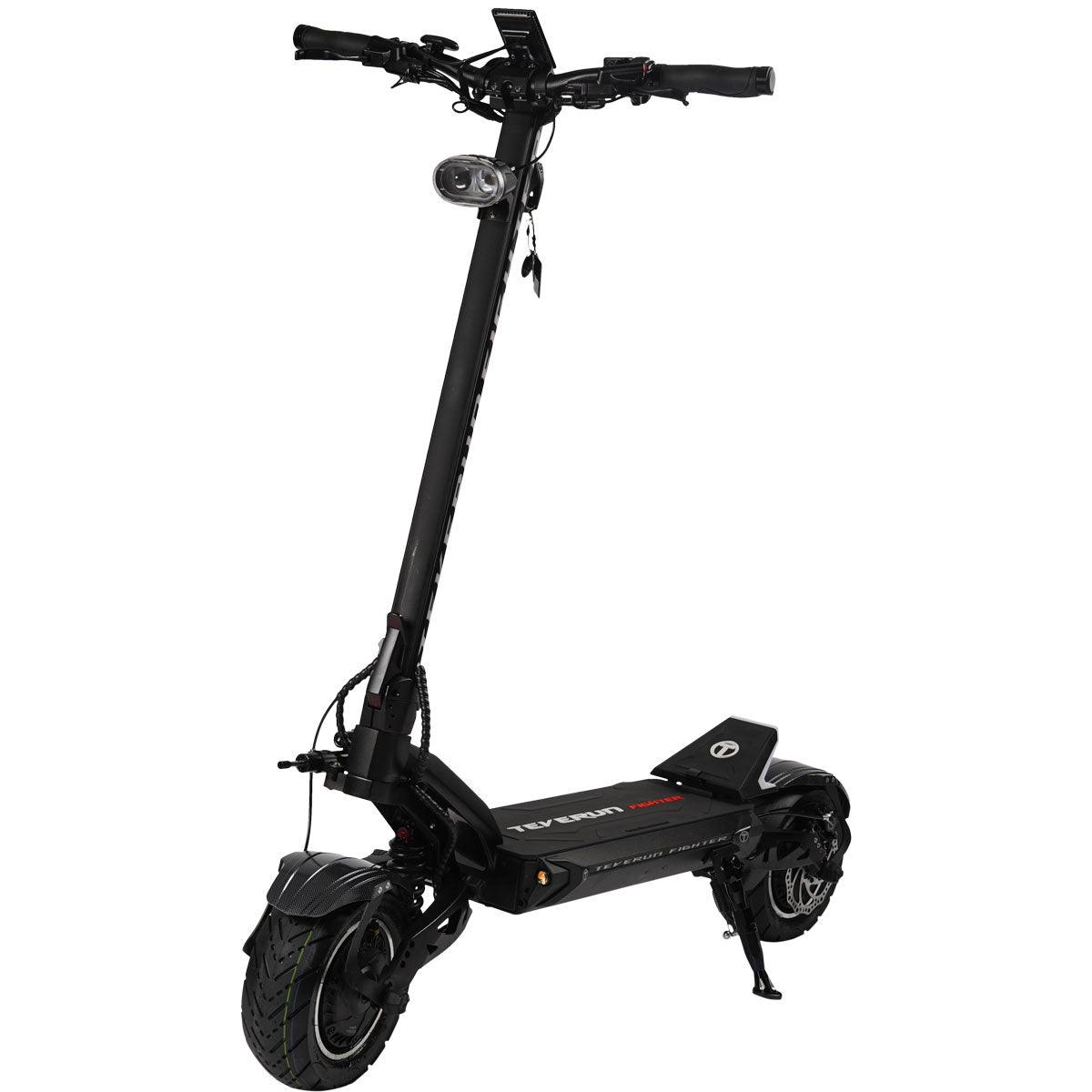
 85 km/h80 km5000W60V 25Ah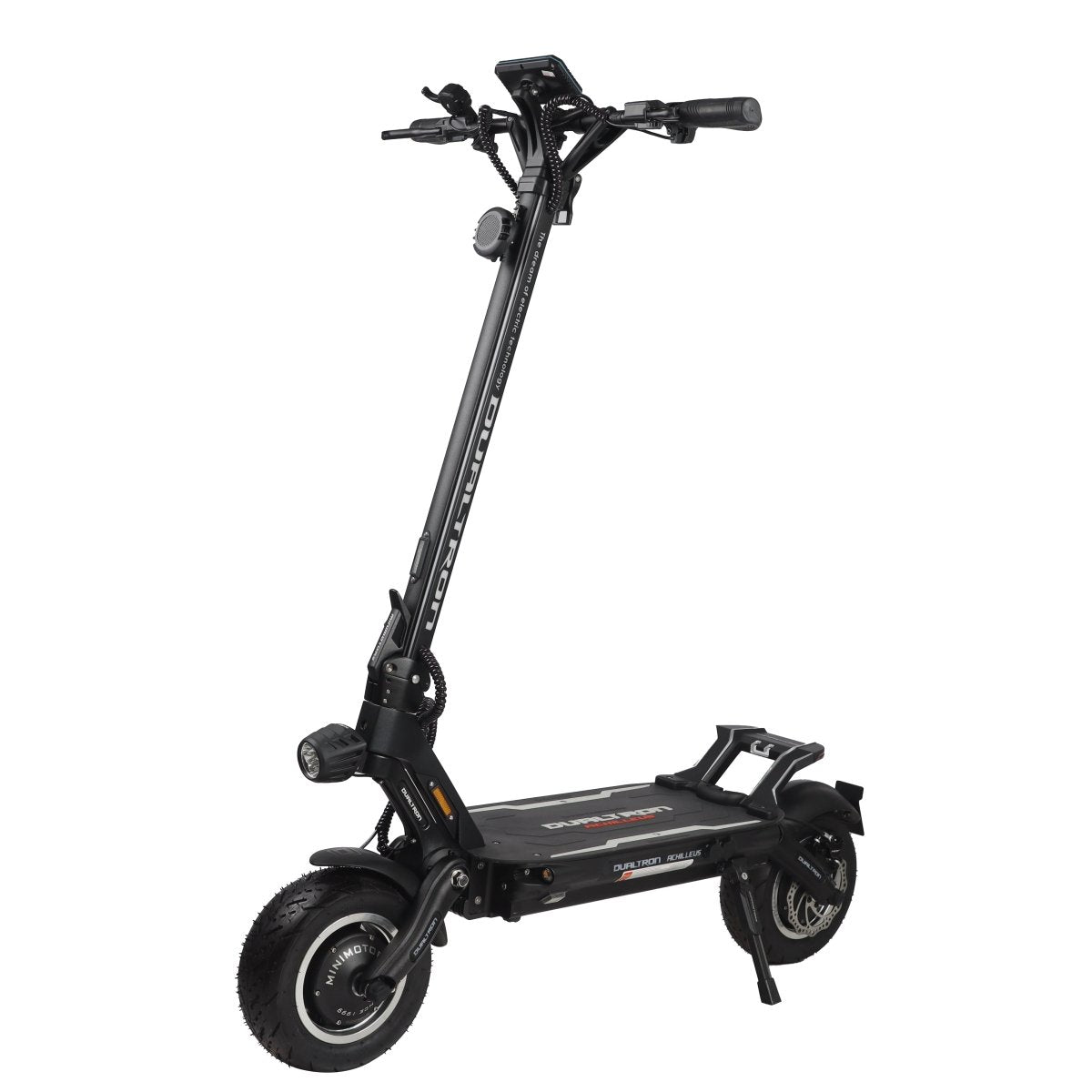
 80 km/h 120 km4500W60V 35Ah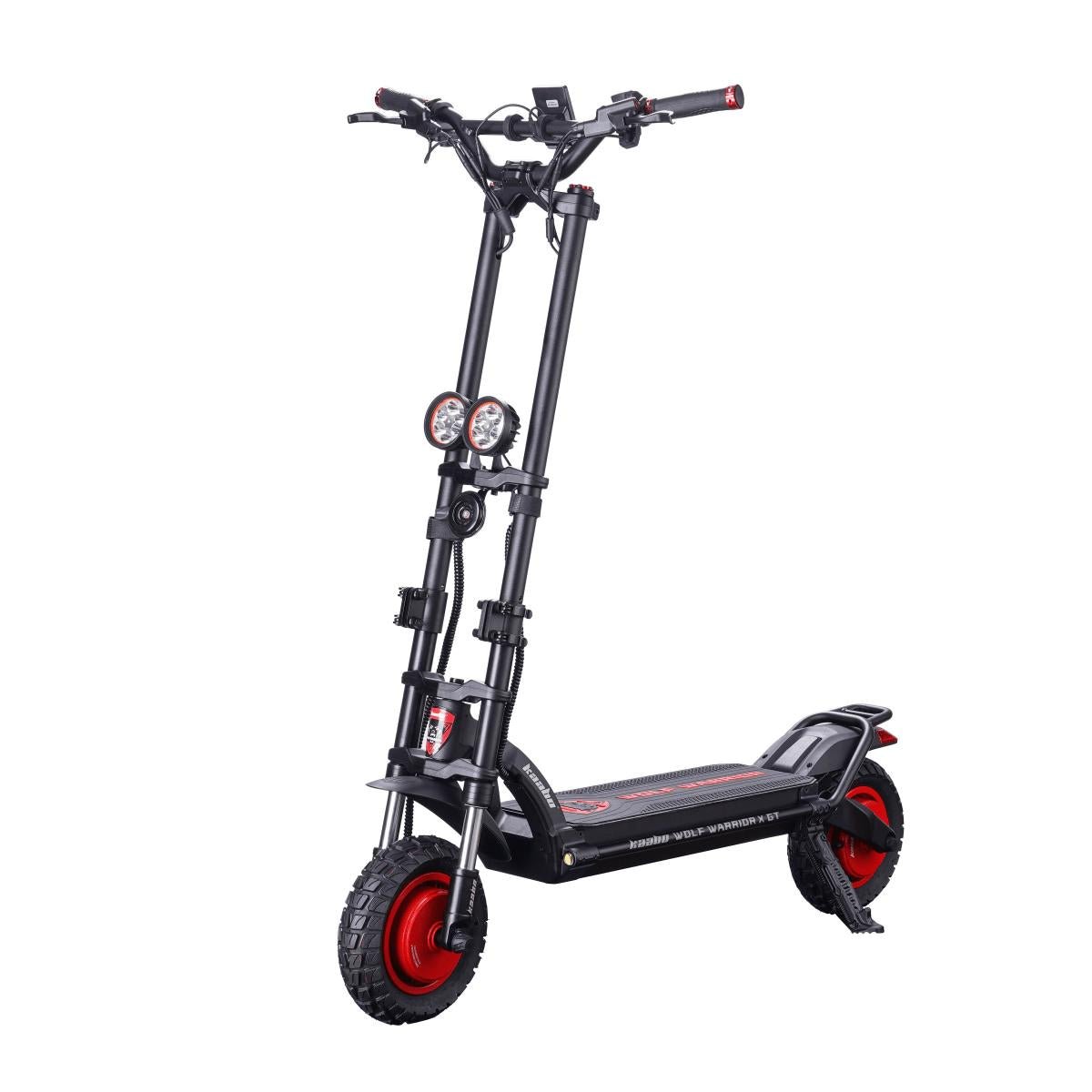
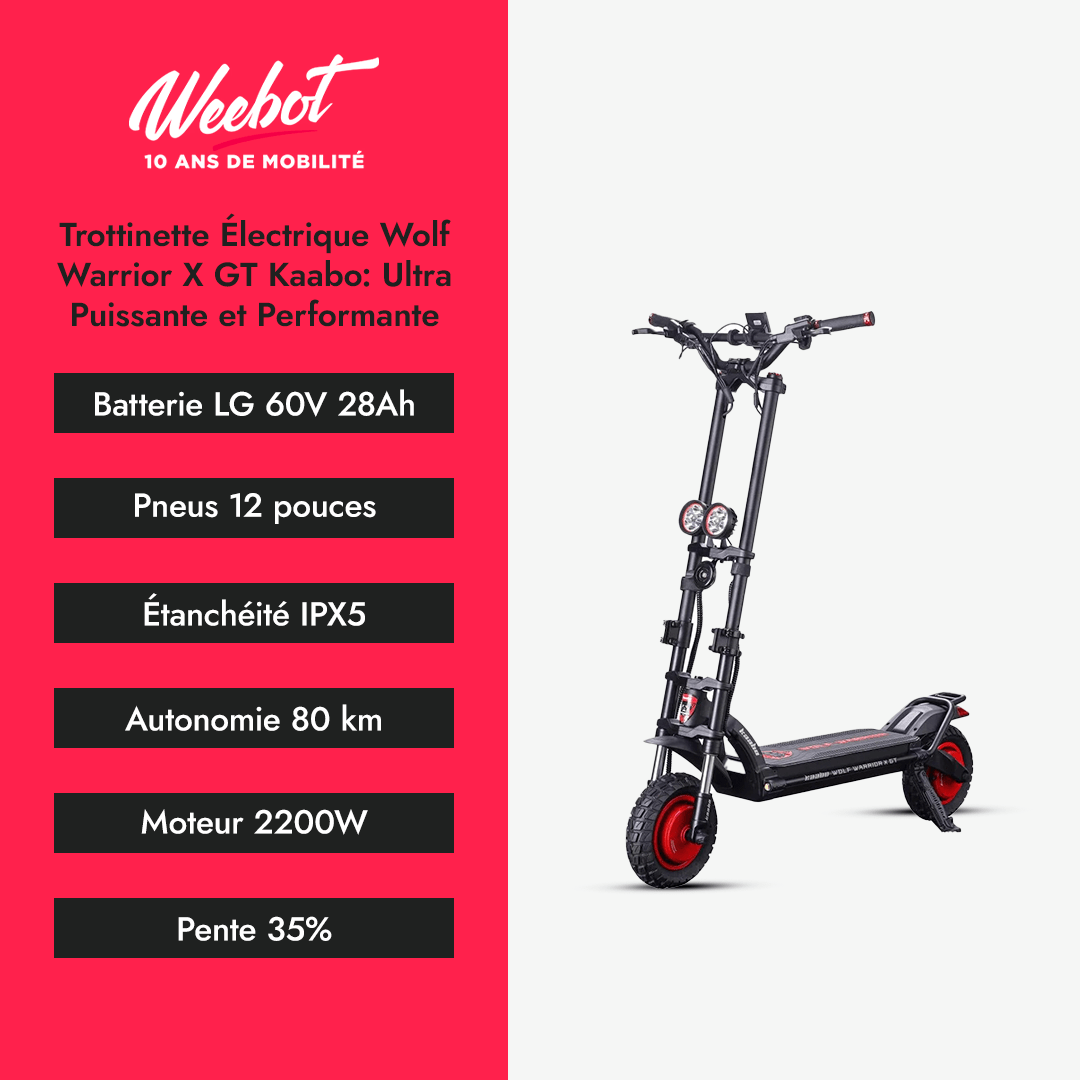 70 km/h80 km2000W60V 28Ah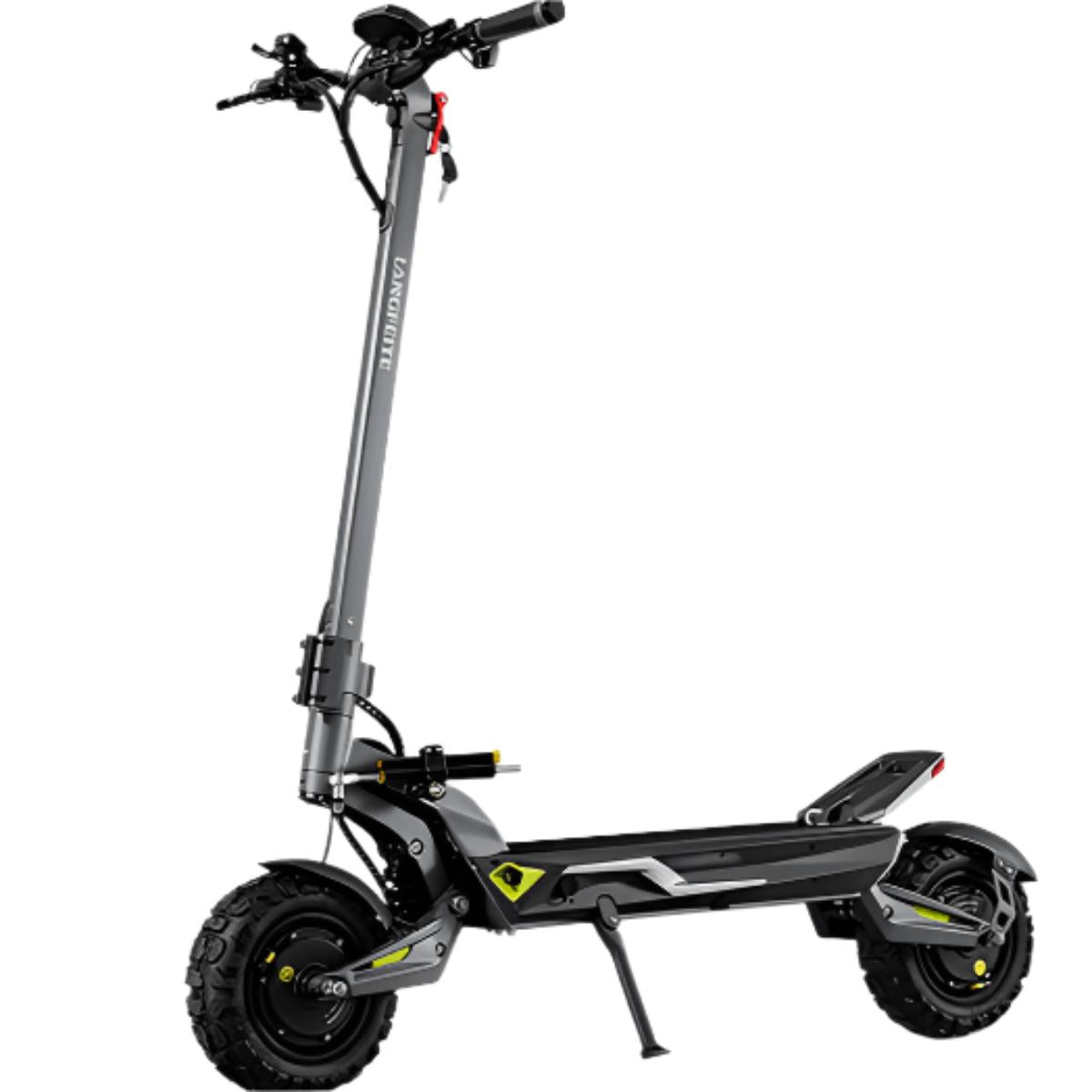
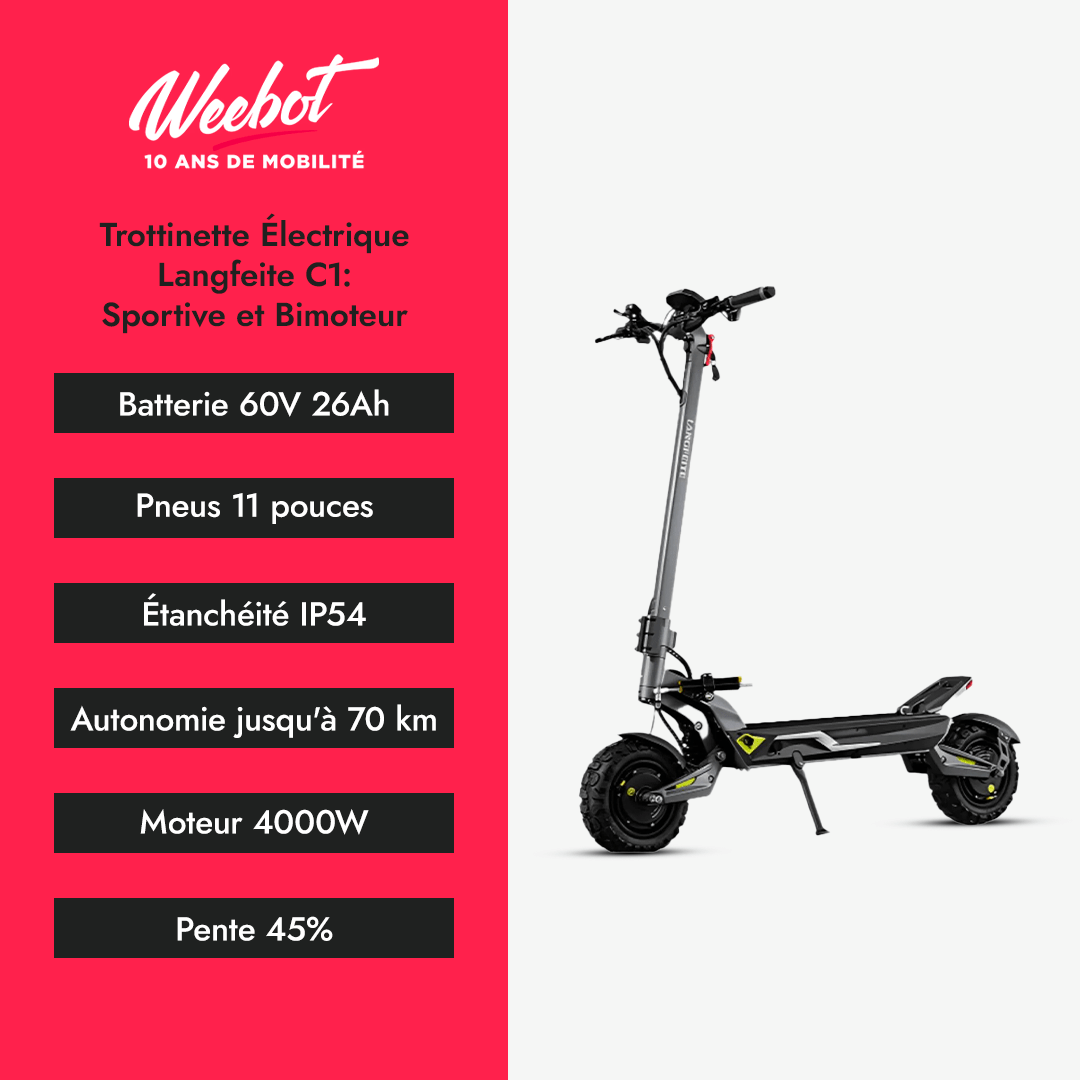 55 km/h 50 km4000W60V 26Ah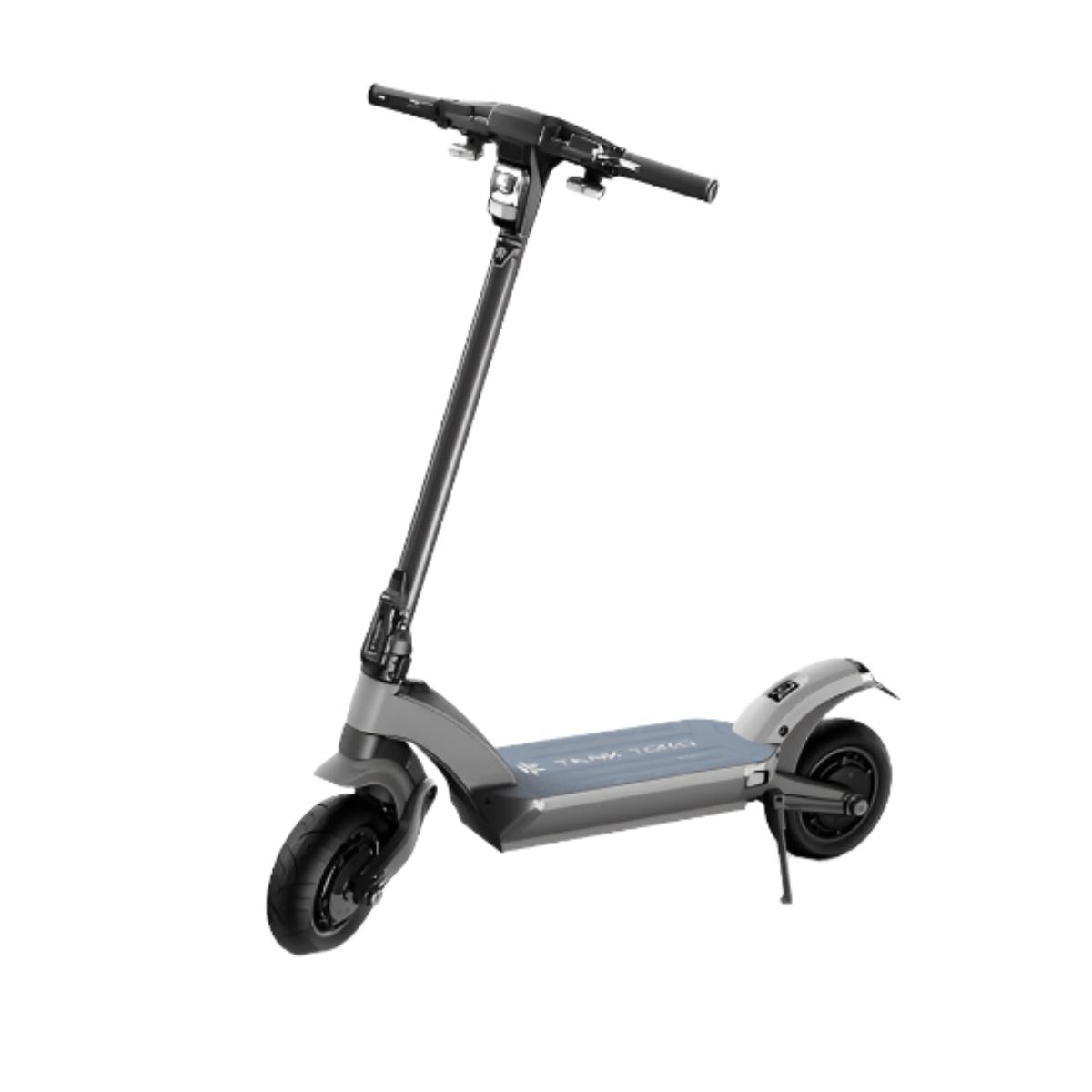
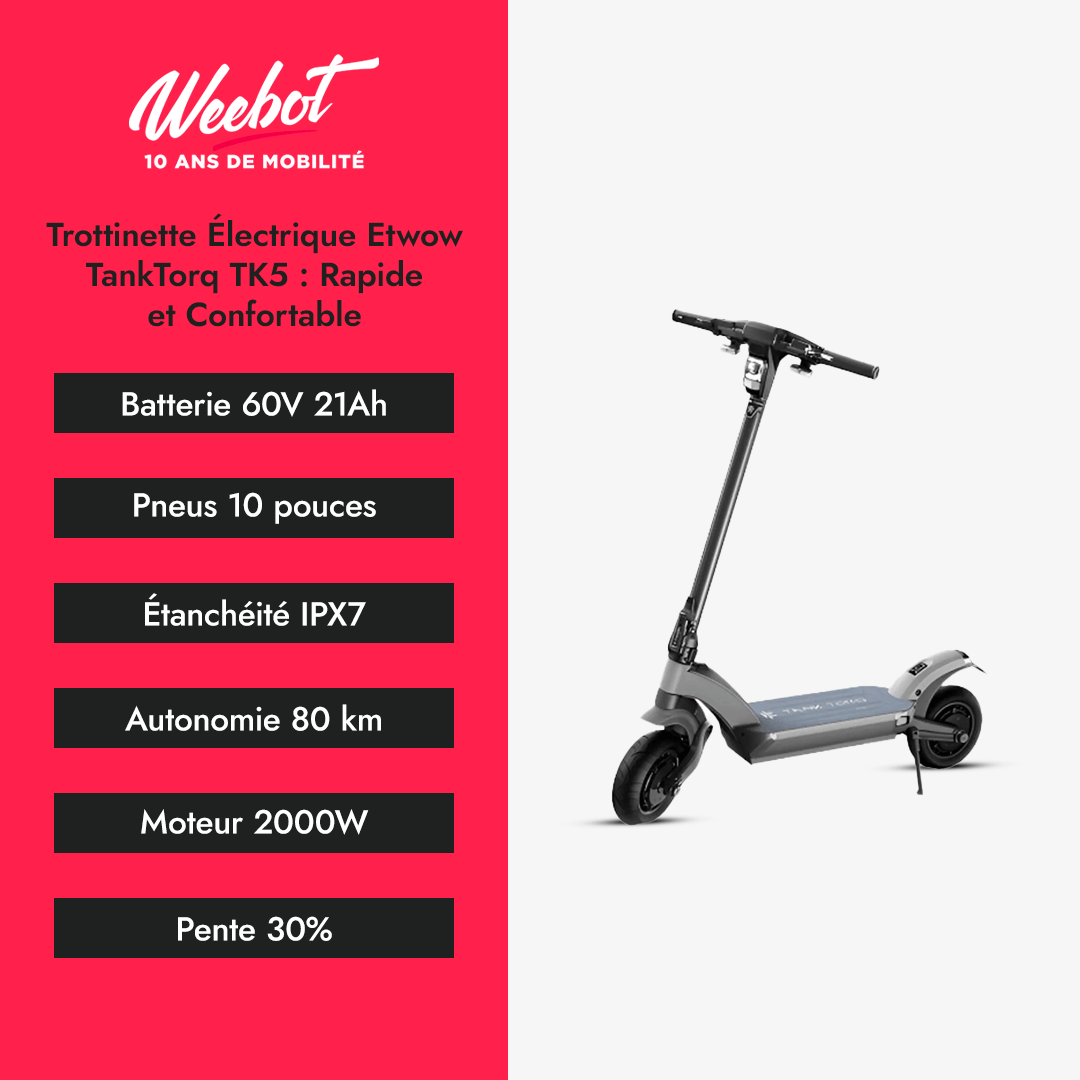 50km/h80 km2000W60V 21Ah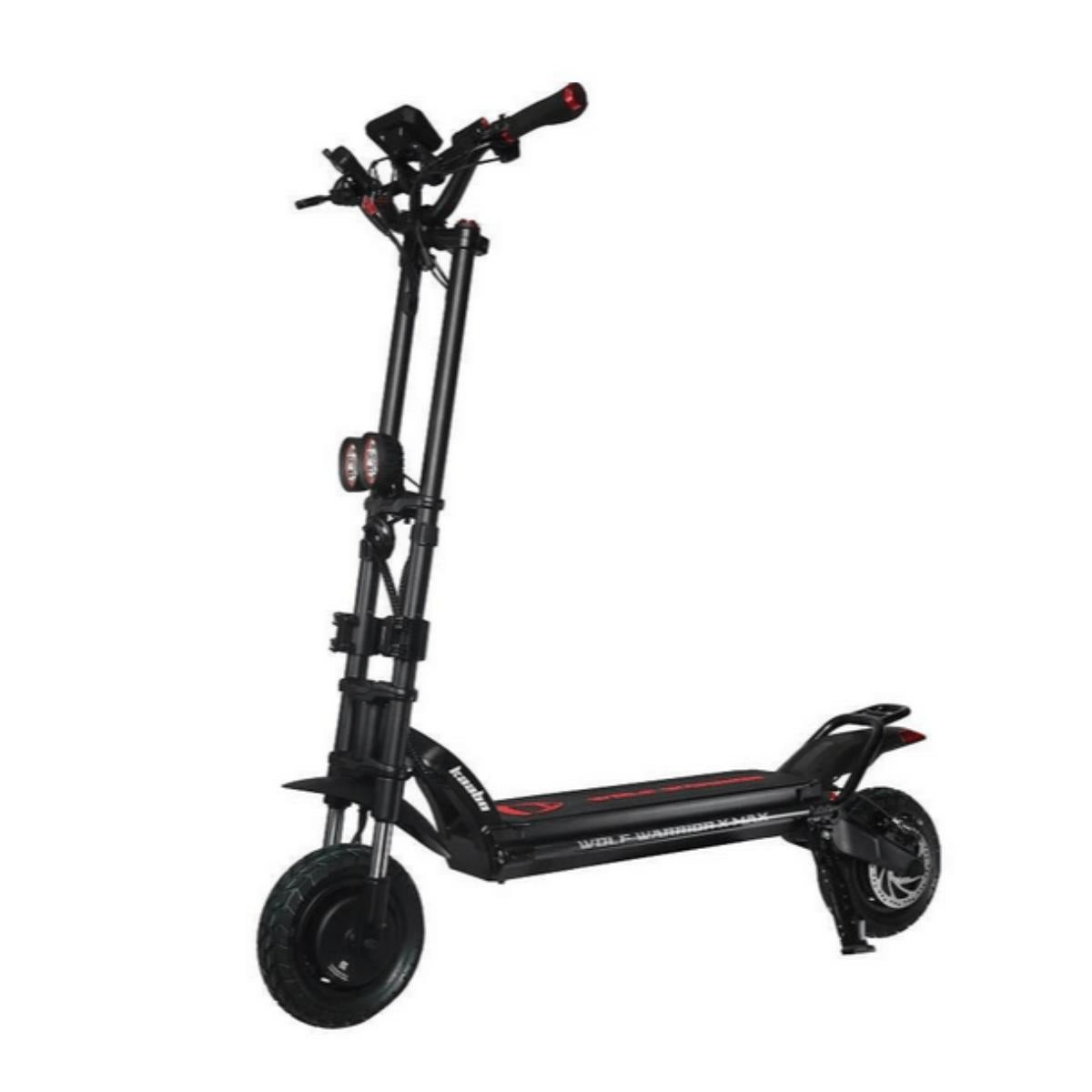
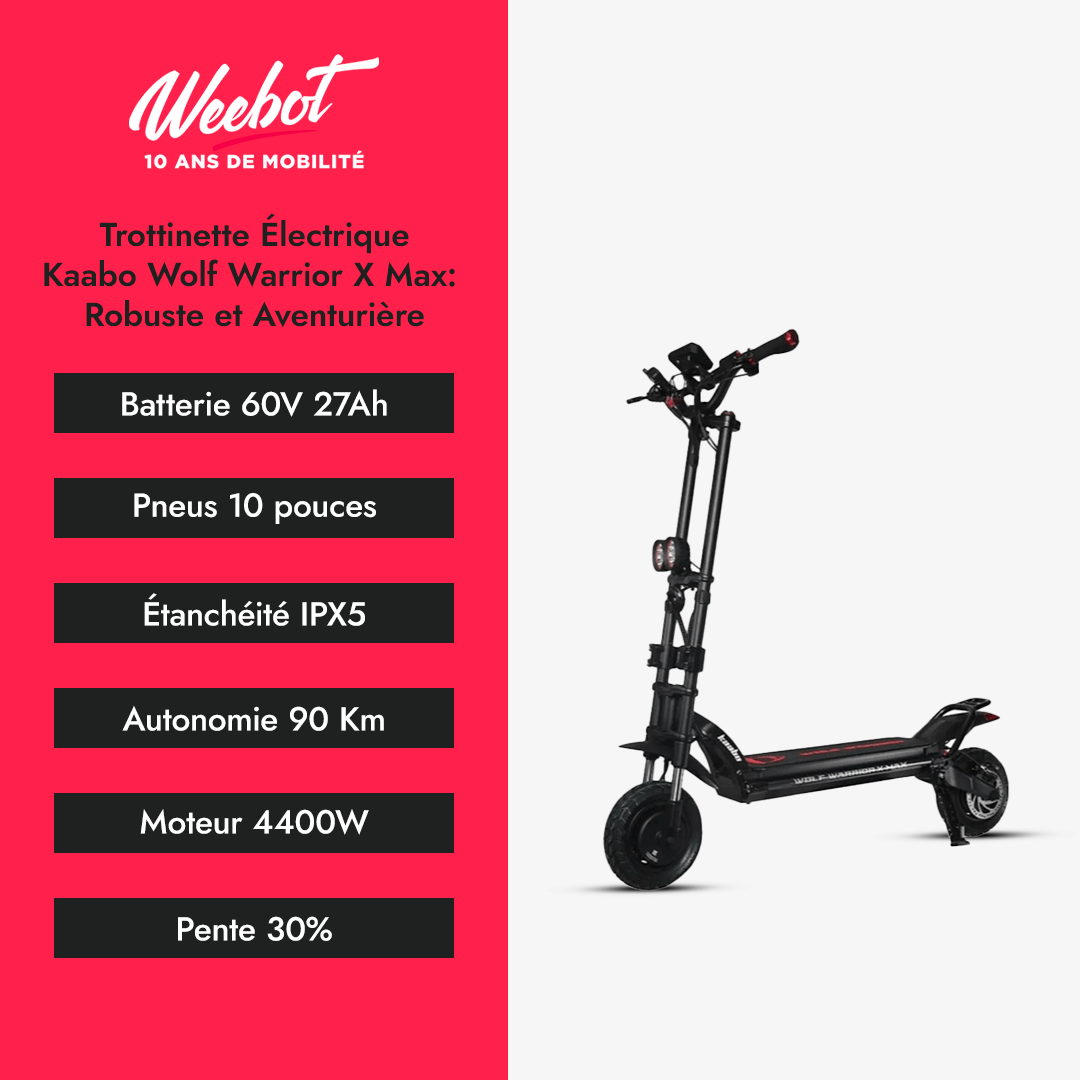 70 km/h 90 km 4400W60V 27Ah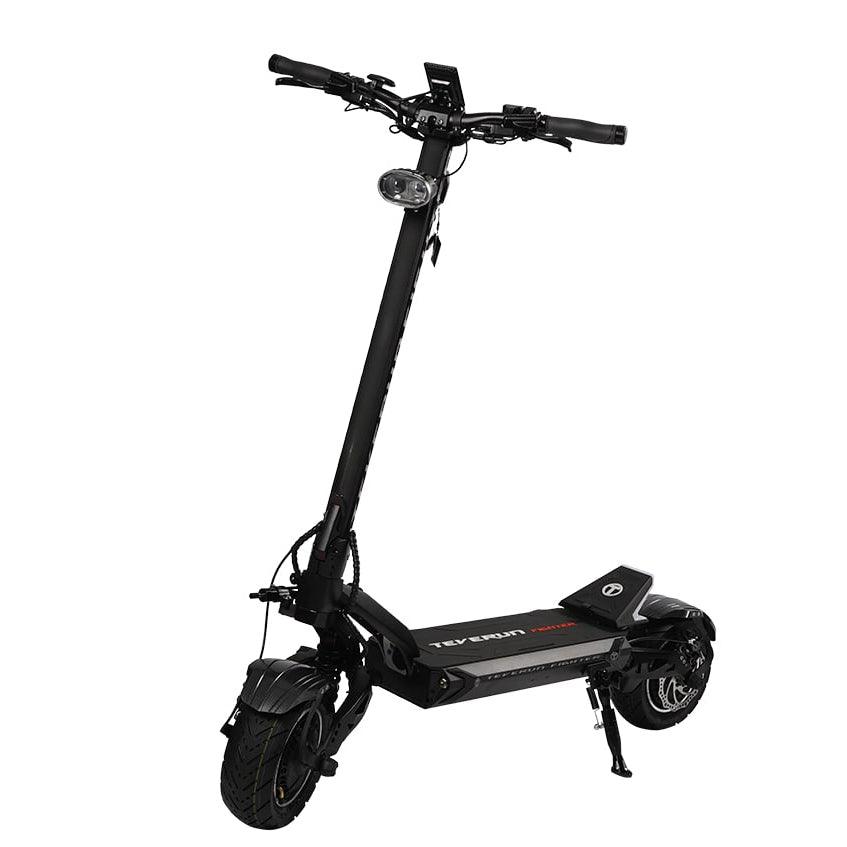
 85 km/h120 km5000W60V 35Ah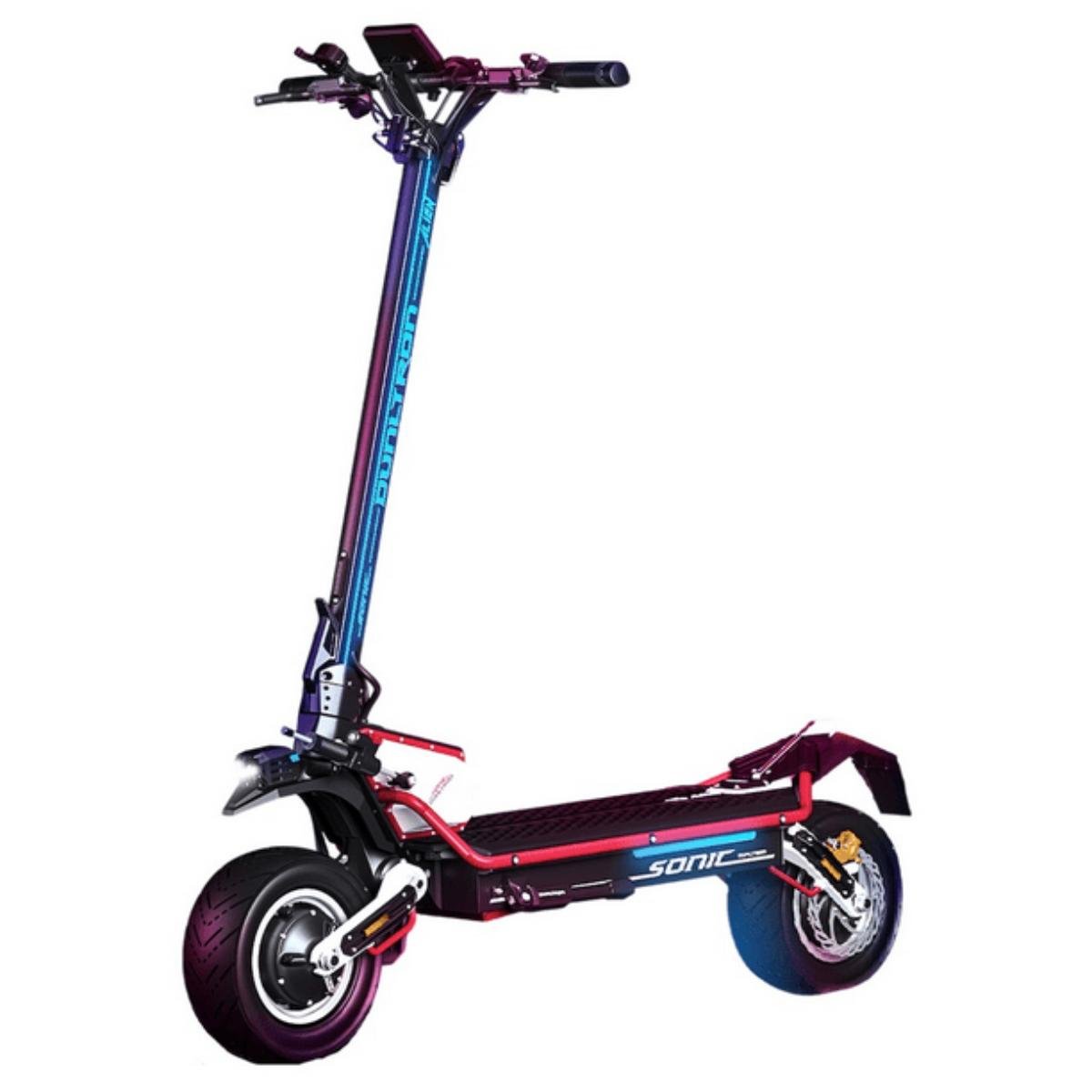
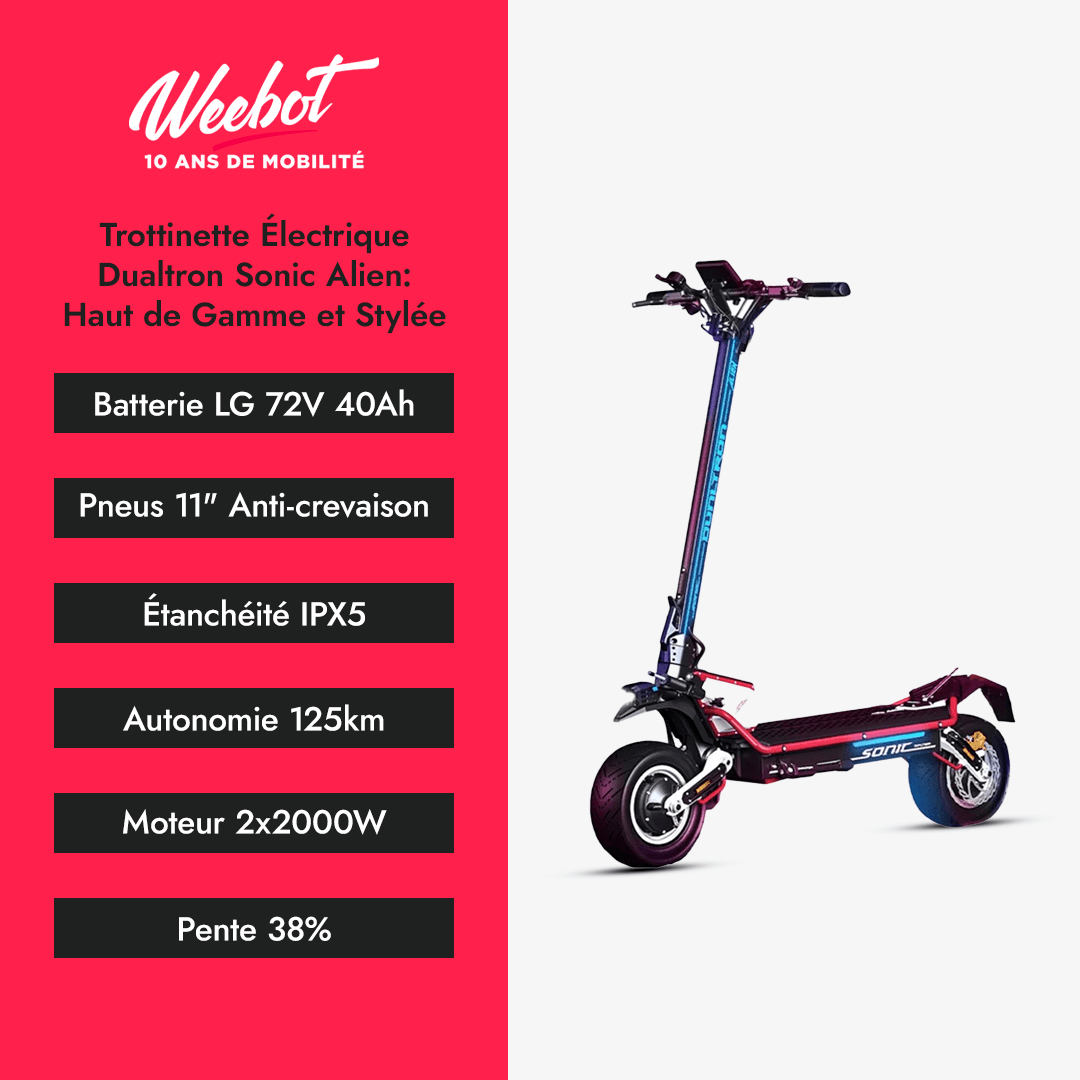 100 km/h 125 km 4000W72V 40Ah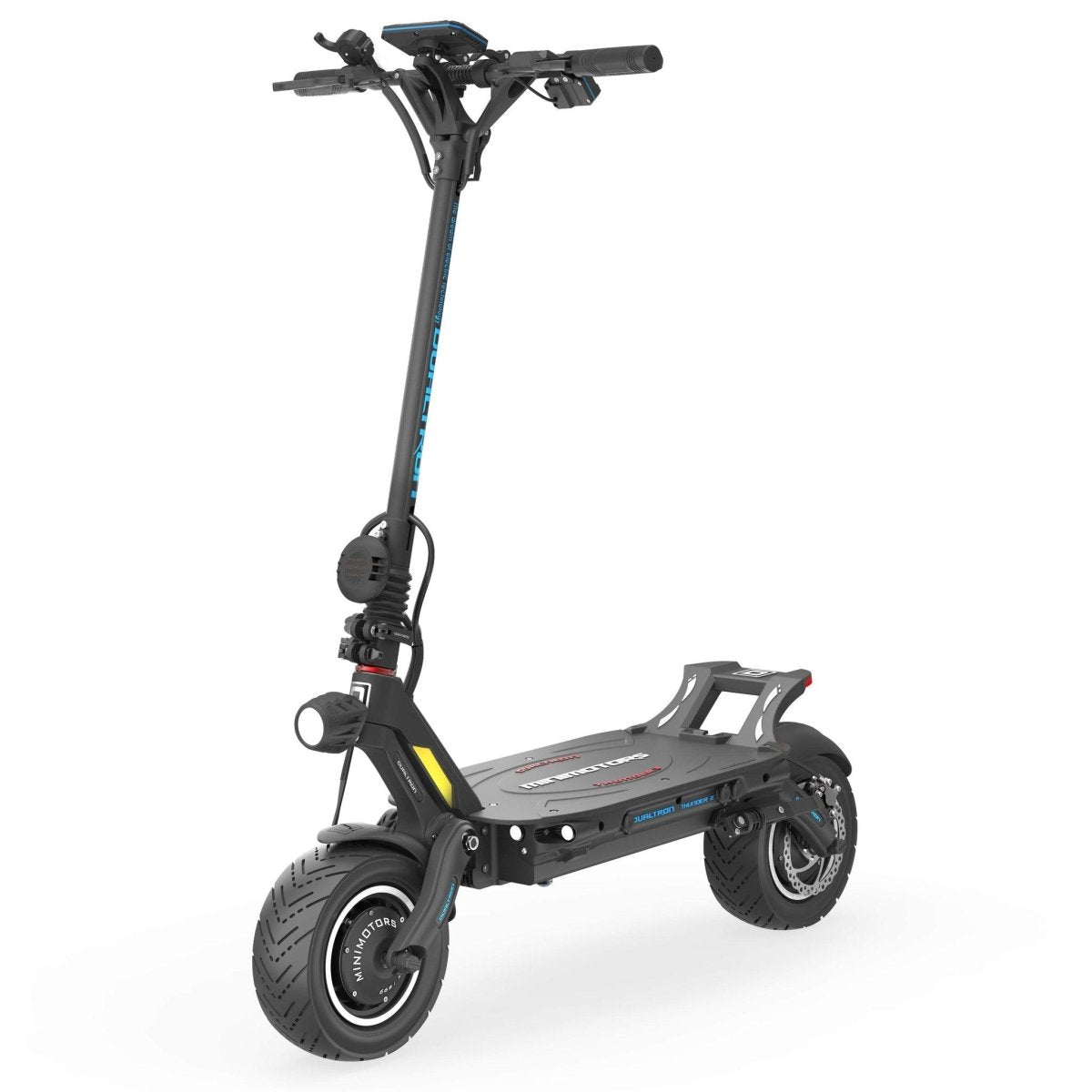
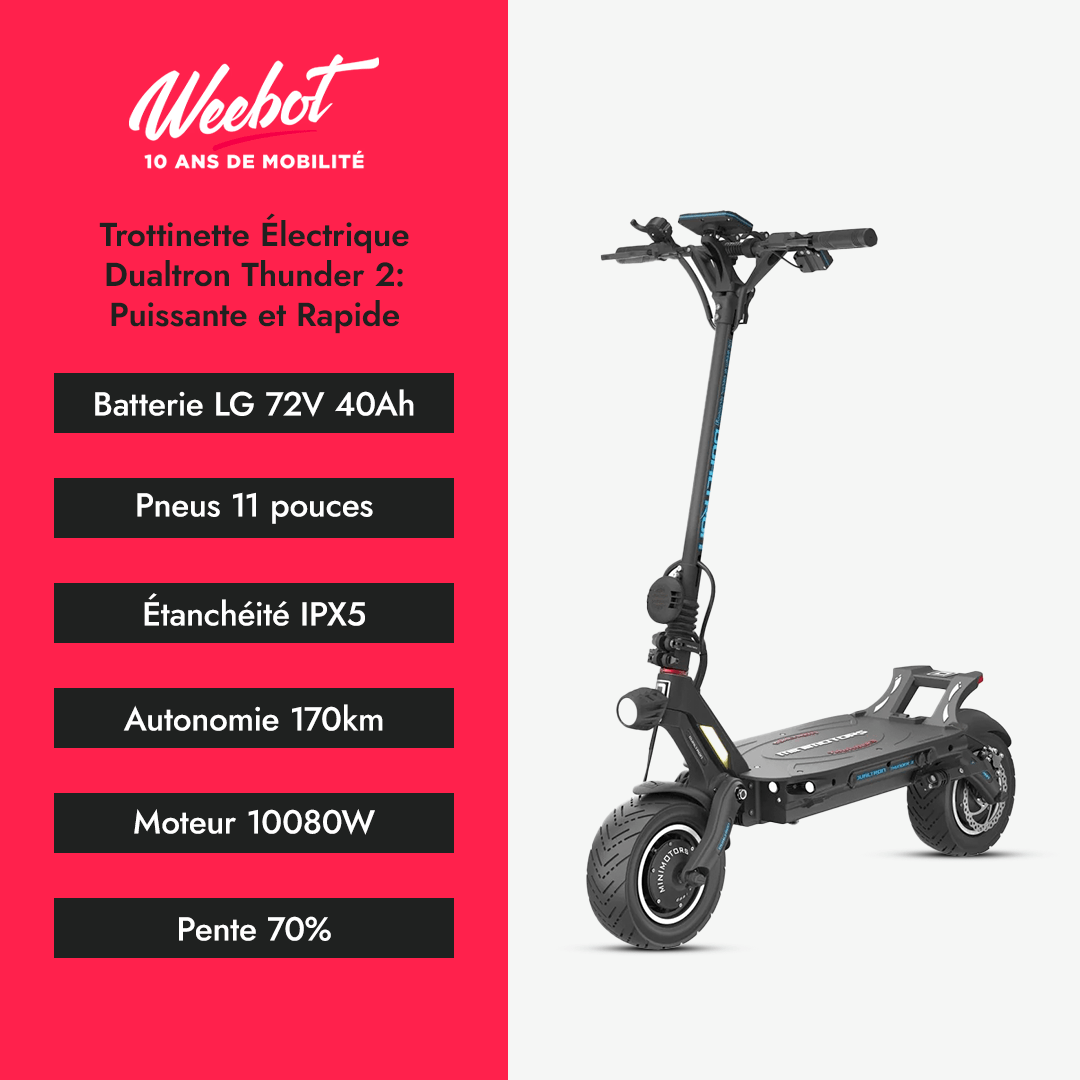 100 km/h170 km10000W72V 40Ah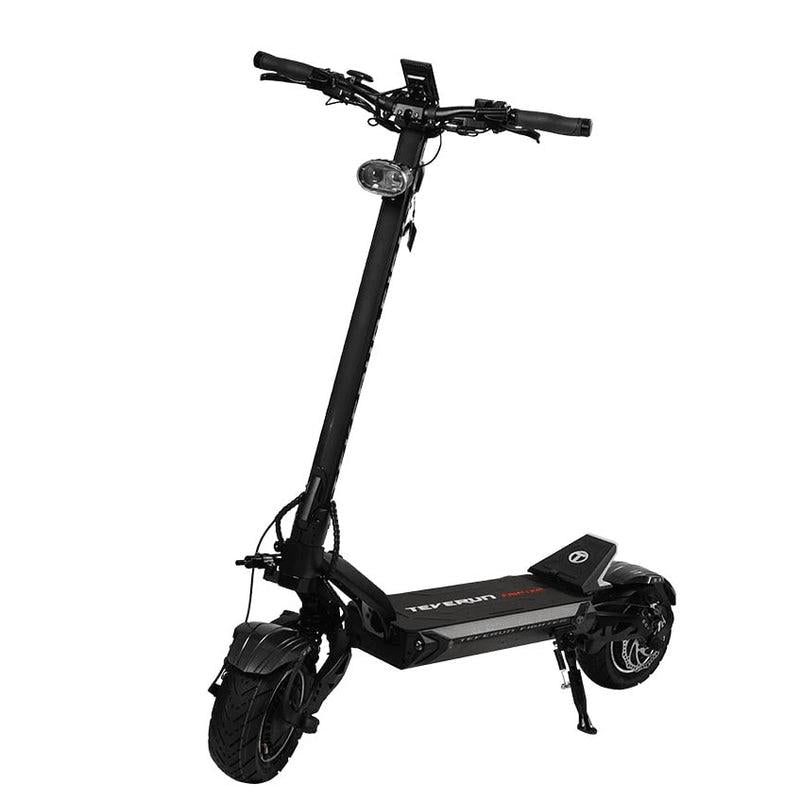
 85 km/h200 km5000W72V 60Ah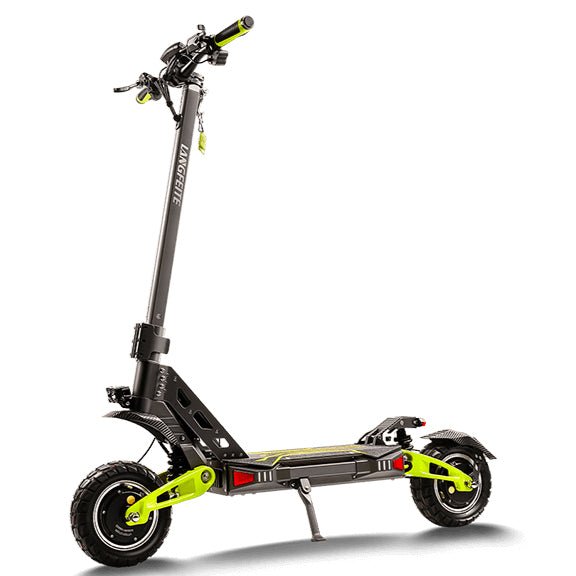
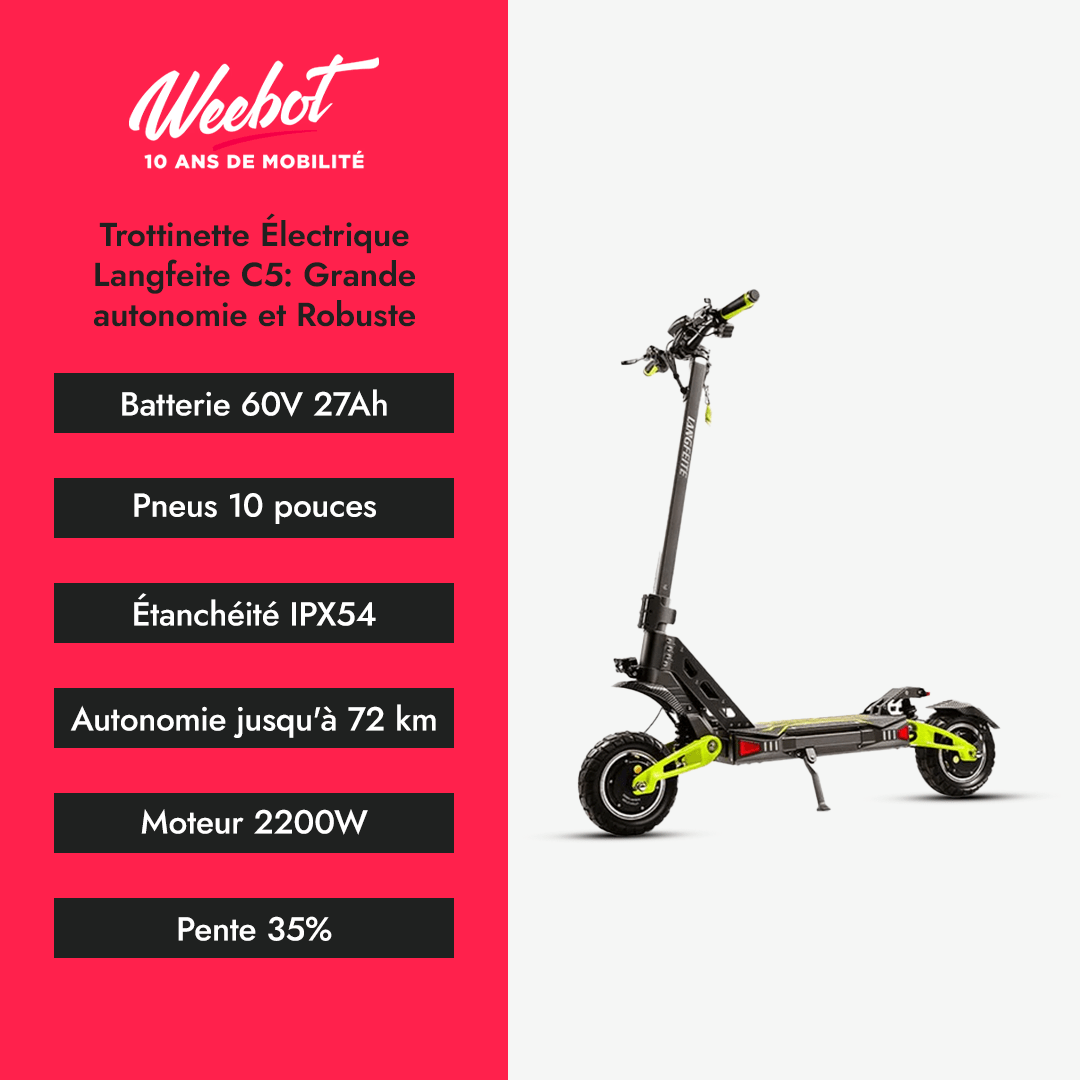 70 km/h 70 km2000W60V 27Ah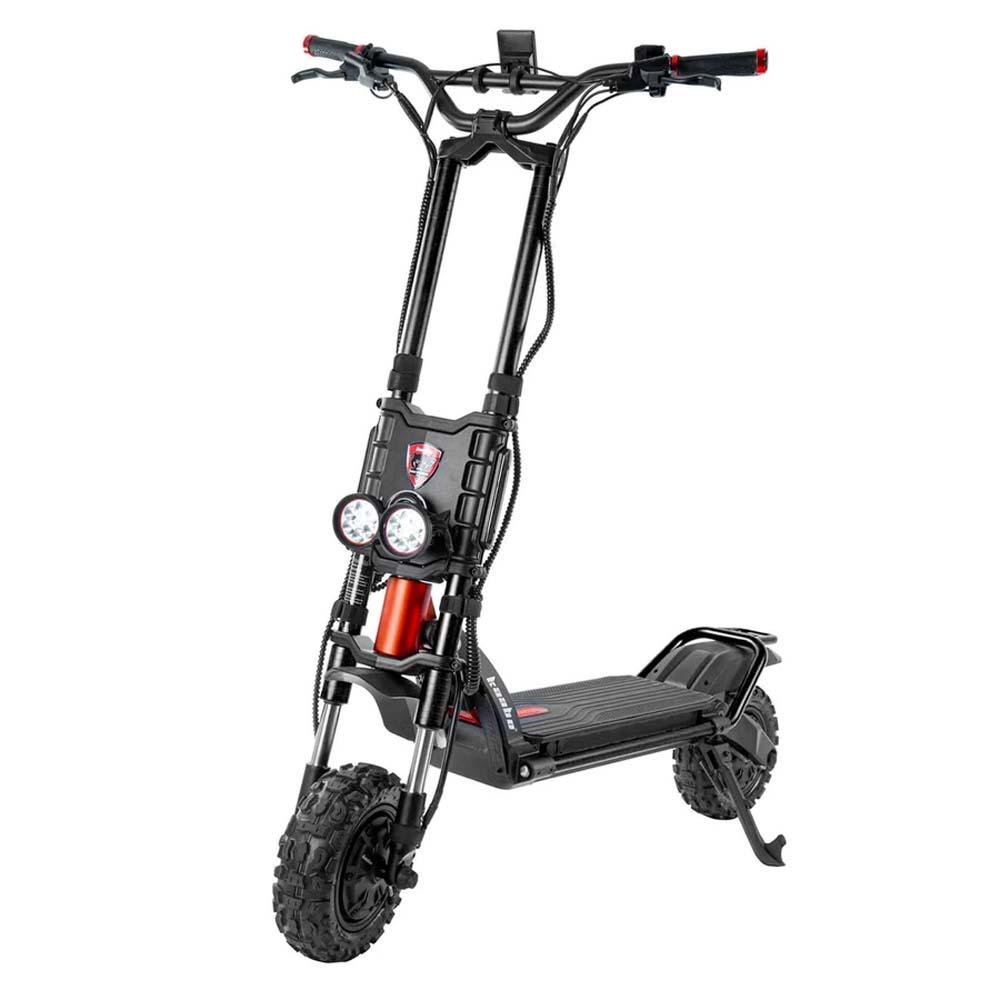
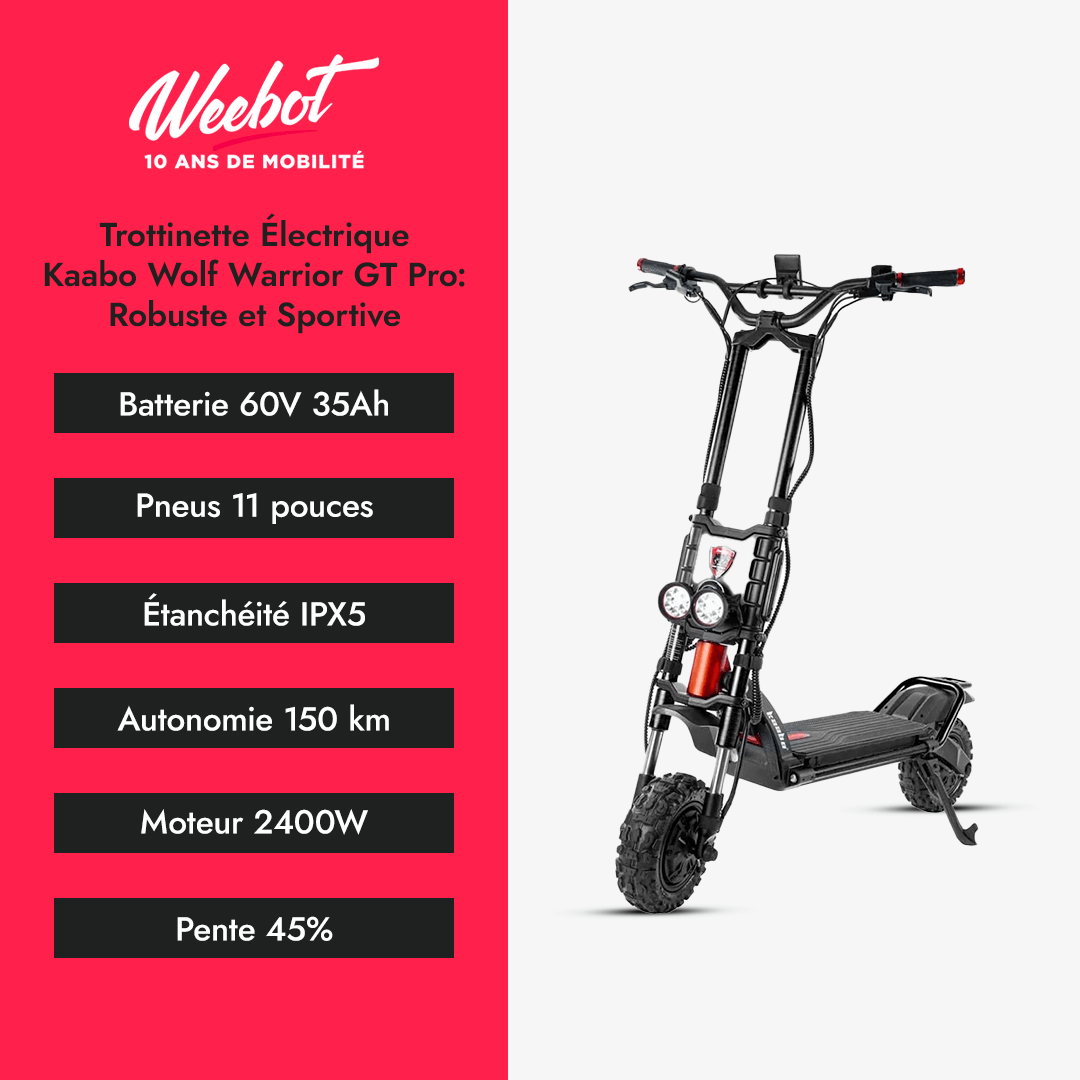 80 km/h 150 km 2000W60V 35Ah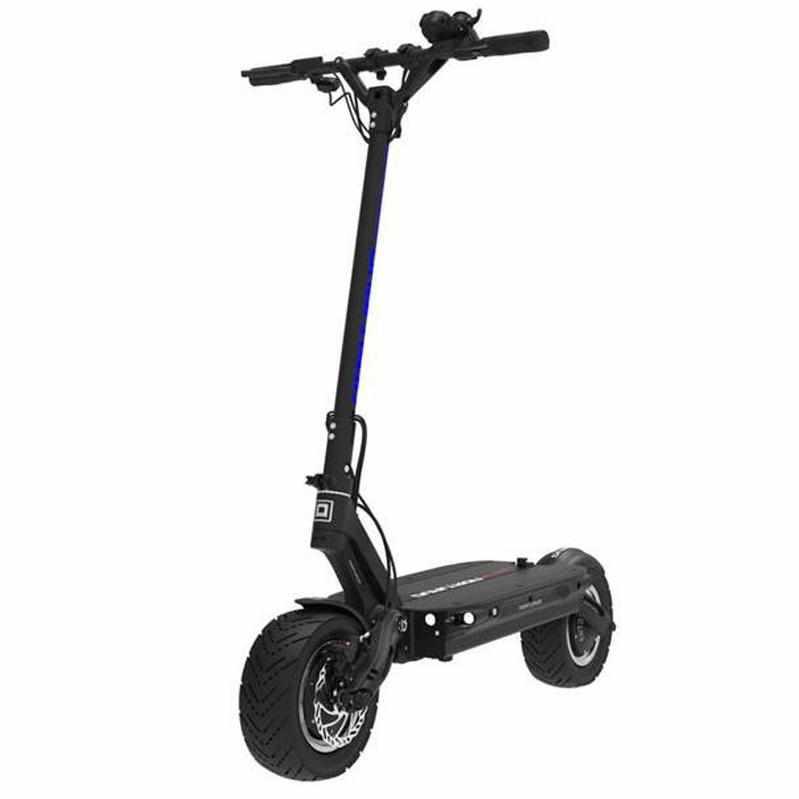
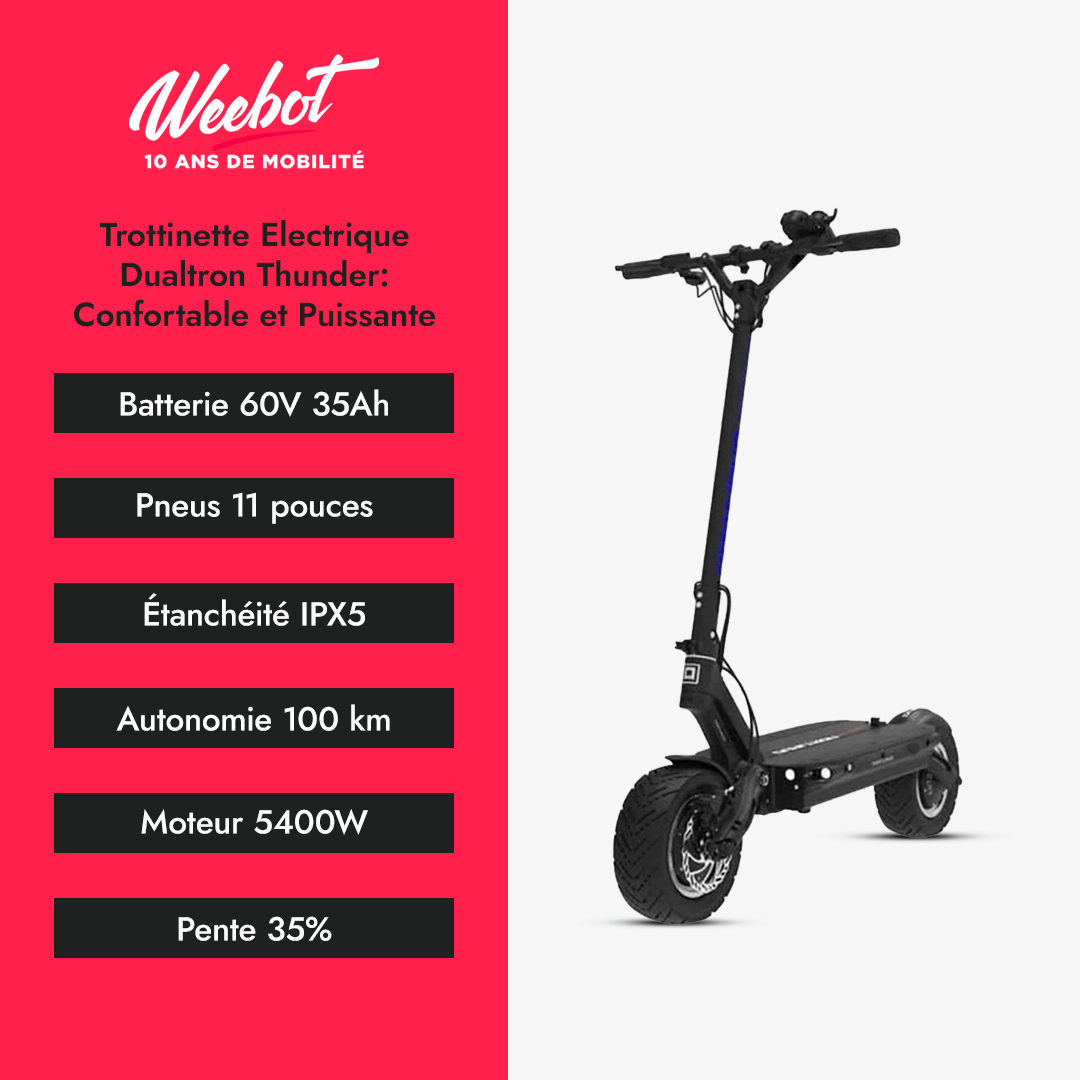 85 km/h100 km5000W60V 35Ah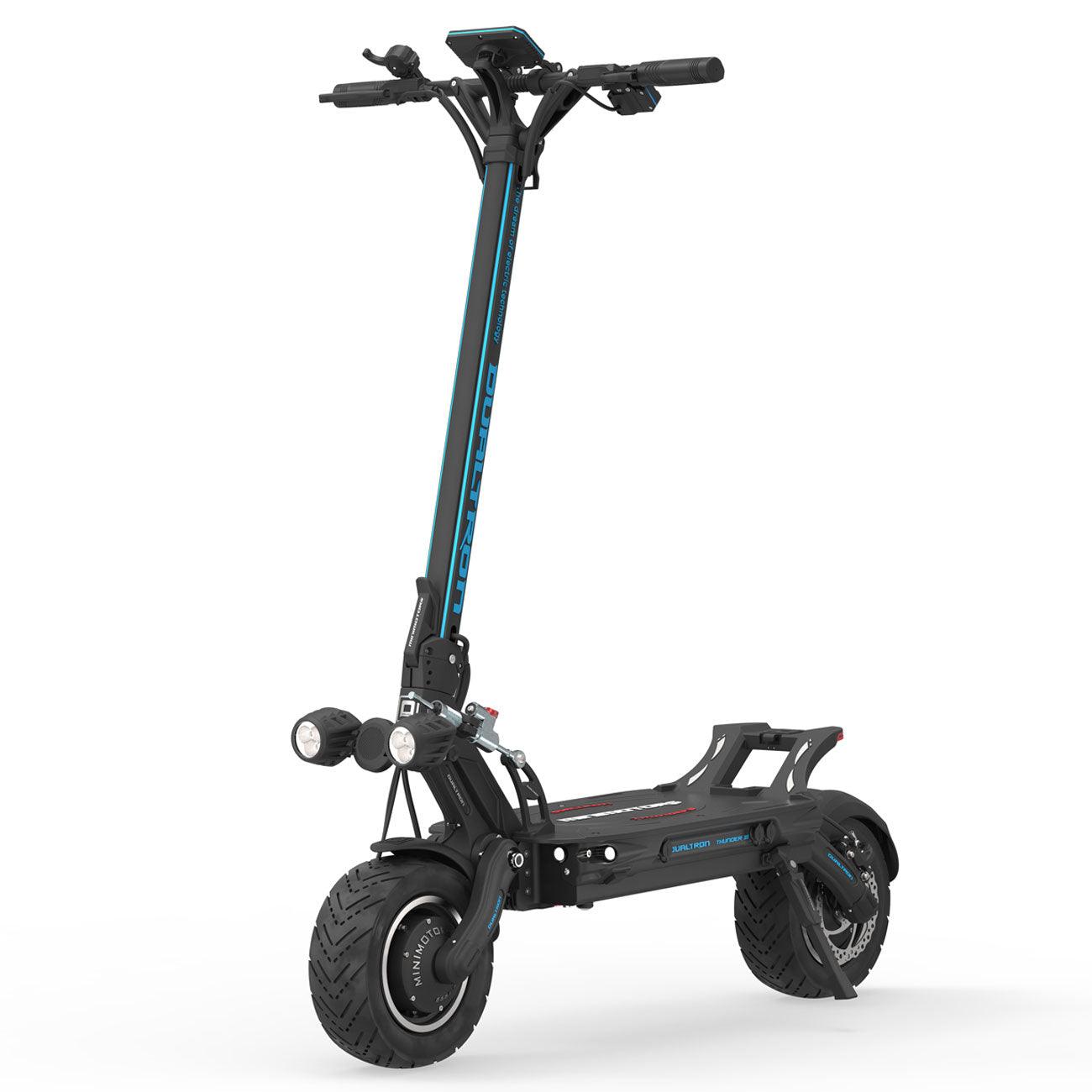
 100 km/h125 km10000W72V 40Ah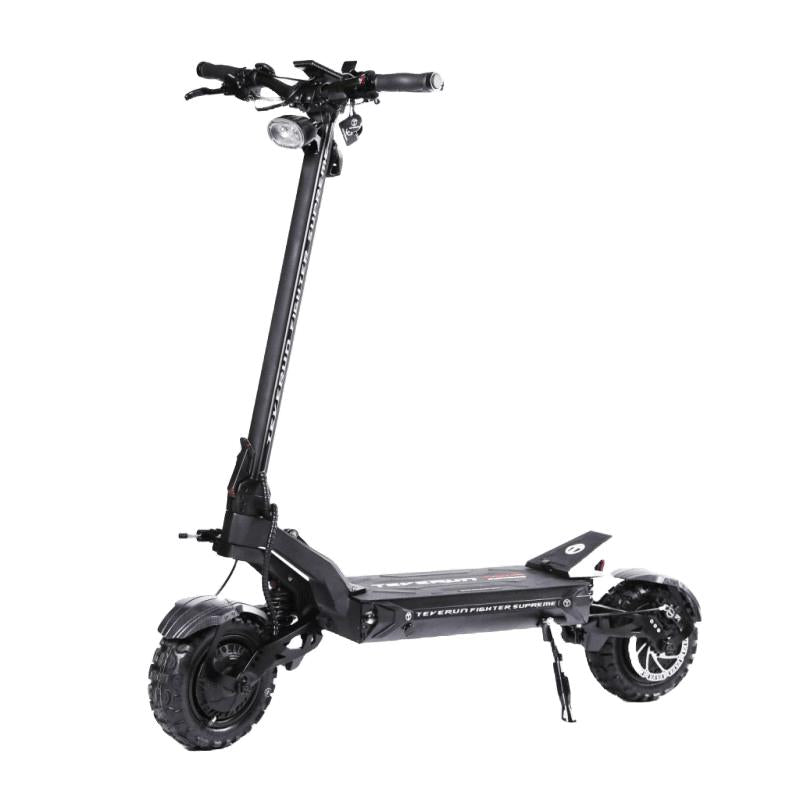
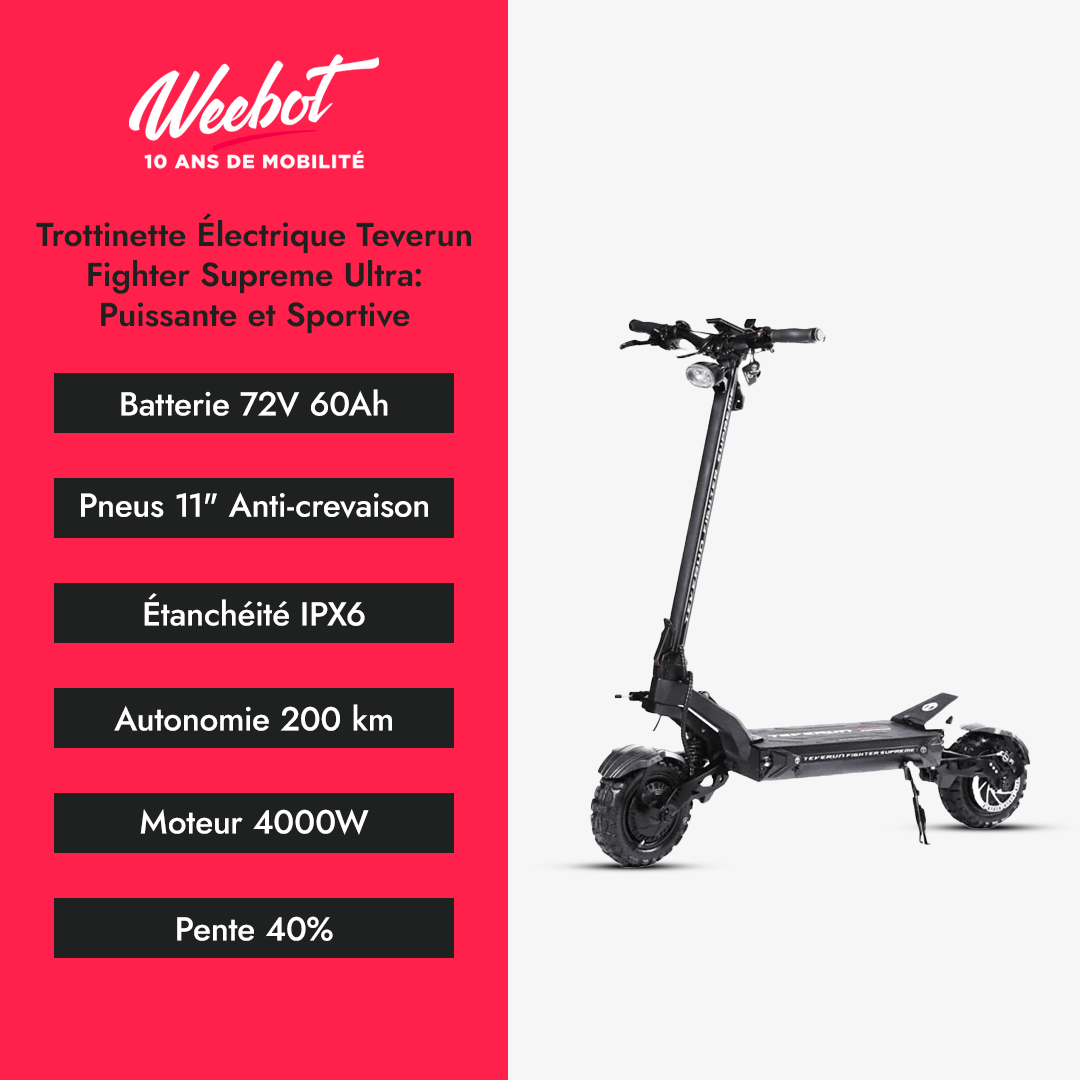 100 km/h200 km2x4000W72V 60Ah
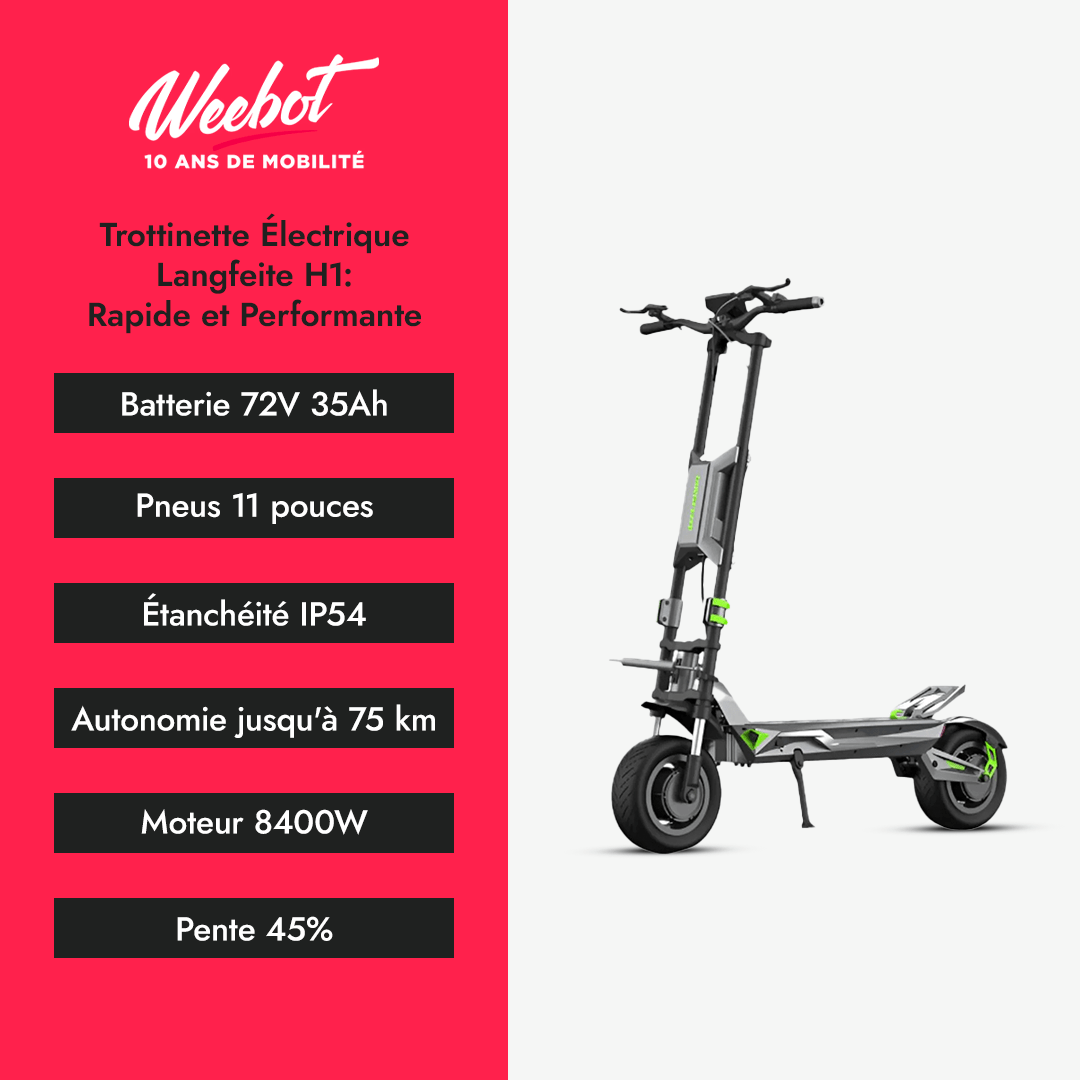
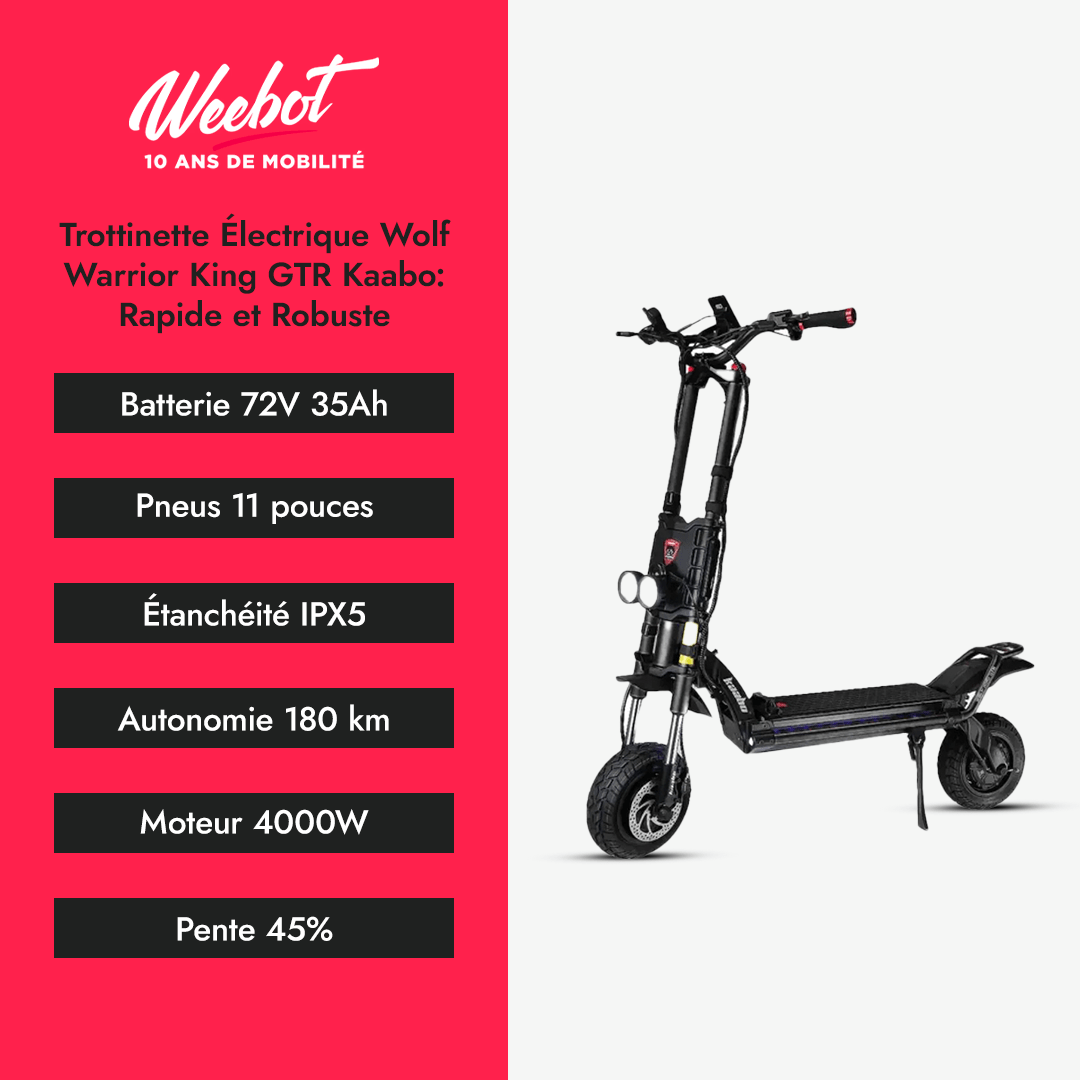 100 km/h180 km4000W72V 35Ah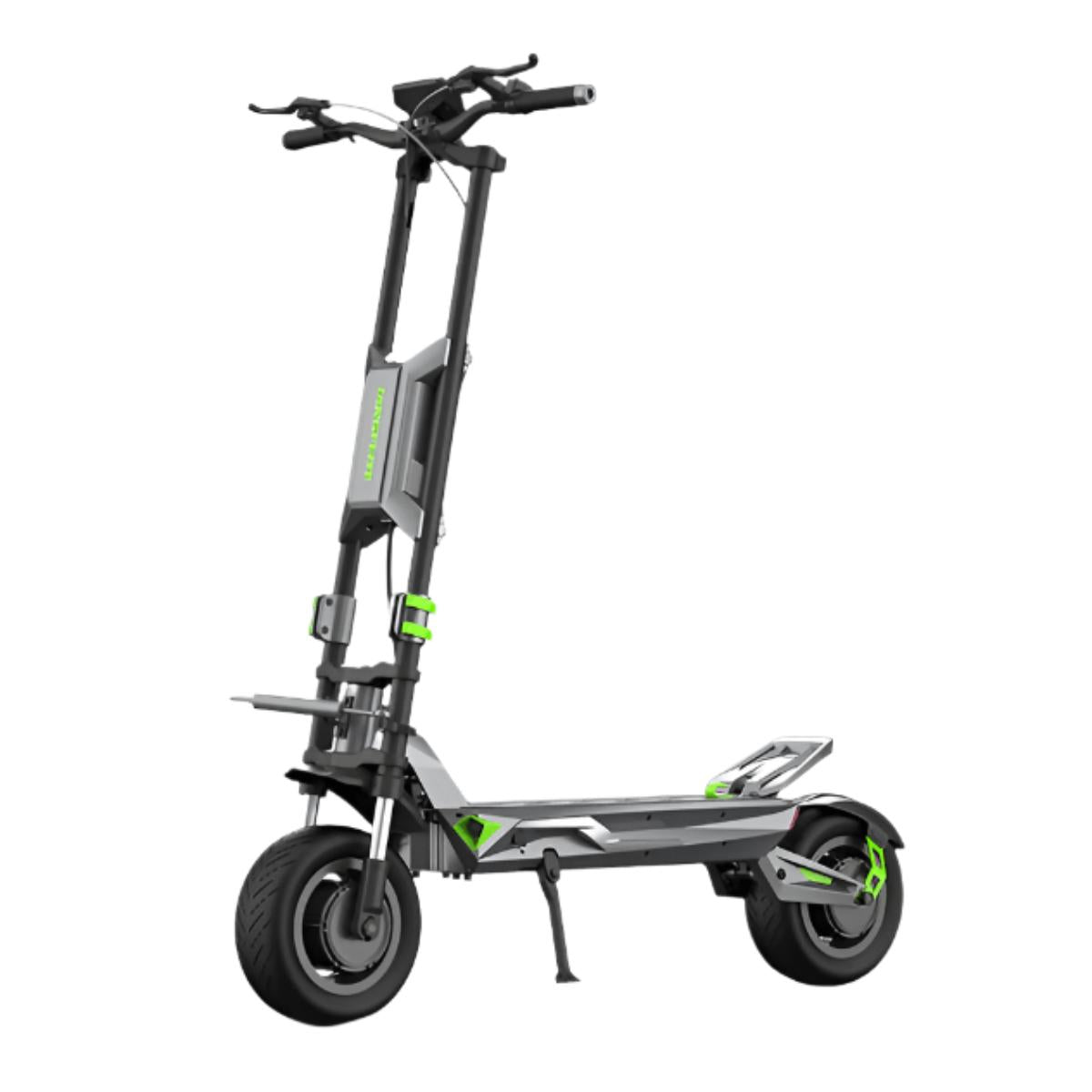
 65 km/h 70 km4000W72V 35Ah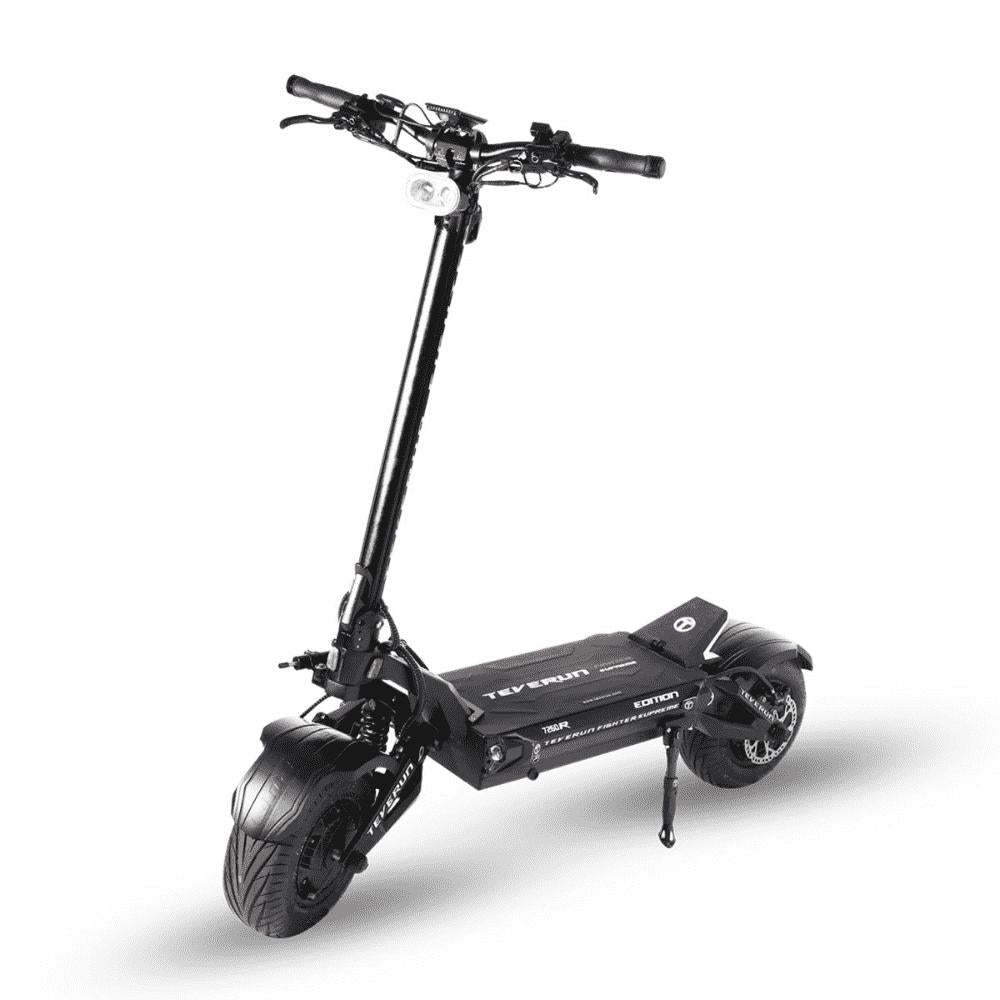
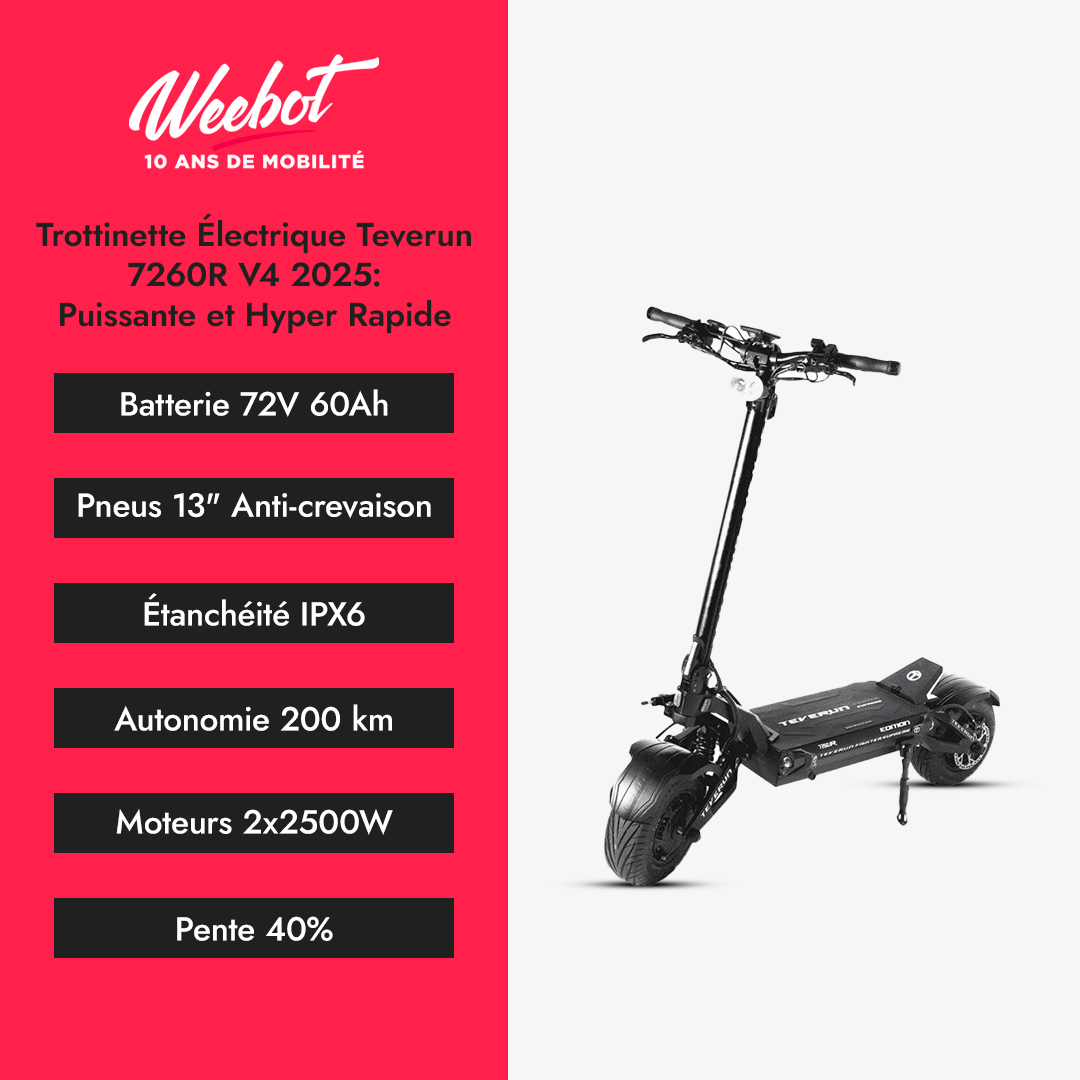 110 km/h200 km5000W72V 60Ah
Pourquoi acheter une trottinette électrique chez Weebot ?
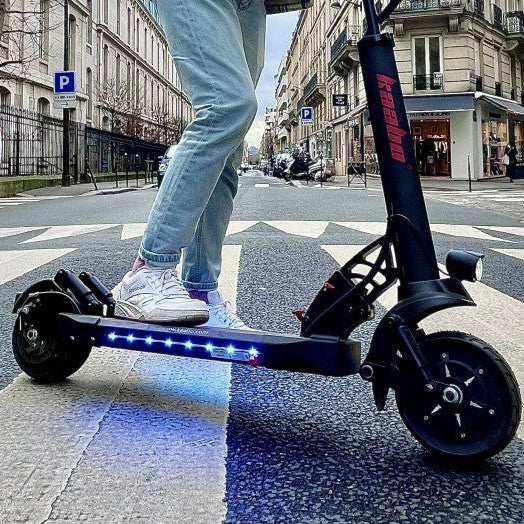
Vous souhaitez essayer une trottinette électrique à Paris ?
Nous vous accueillons du lundi au samedi au sein de nos boutiques entre 10h et 19h. Pensez à appeler nos spécialistes au service client pour prendre rendez-vous au 01.80.89.45.52
Nos catégories de trottinettes électrique les plus populaires
Chez Weebot, nous proposons une large gamme de modèles adaptés à tous les usages. Si vous recherchez de la vitesse, découvrez notre sélection de trottinettes électriques puissantes, idéales pour les amateurs de vitesse et d’accélération. Pour rouler sans crainte sous la pluie, optez pour nos trottinettes électriques résistantes à l’eau. Les aventuriers apprécieront nos trottinettes électriques tout terrain, conçues pour affronter chemins et sentiers. Enfin, pour plus de praticité au quotidien, découvrez nos trottinettes électriques légères, faciles à transporter et à plier.
Les marques de trottinettes électriques les plus populaires
Chez Weebot, nous mettons en avant les marques les plus reconnues et recherchées du marché de la mobilité urbaine. Découvrez la puissance et la fiabilité des trottinettes électriques Dualtron, références incontournables pour les amateurs de performance. La marque de trottinette électrique Kaabo séduit par son excellent rapport puissance/autonomie. Pour un usage quotidien, les trottinettes électriques Speedway restent une valeur sûre. Les modèles de trottinette électrique E-Twow sont réputés pour leur légèreté et leur praticité. Enfin, notre propre marque de trottinette électrique Weebot s’impose comme un leader en France grâce à des modèles innovants, fiables et accessibles.
Quels sont les avantages de la trottinette électrique ?
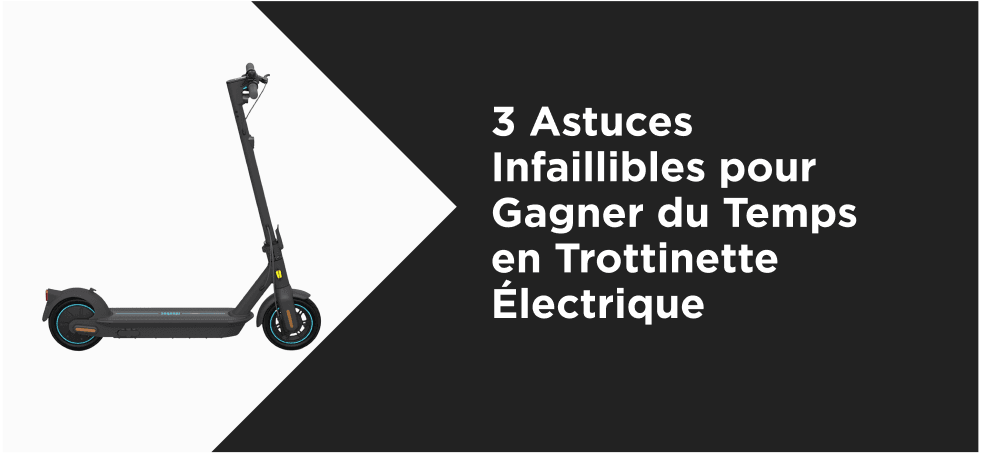
Le principal avantage de passer à la trottinette électrique est le gain de temps que vous allez constater dans vos déplacements. Fini d’attendre le bus ou le train pendant 10 minutes, vous êtes déjà à l’arrêt suivant grâce à votre deux-roues ! Il est même possible avec une trottinette électrique légère de compléter son parcours en transport en commun afin d’optimiser encore plus le temps gagné sur son trajet si vous devez vous déplacer sur de grandes distances même si certaines trottinettes électriques offrent bien plus que 25 km ou 30 km d’autonomie.
Rien de plus simple que de conduire une trottinette électrique ! Vous montez sur la plateforme, actionnez la gâchette d’accélération et vous voilà déjà propulsé à la vitesse légale de 25 km/h sur la voie publique comme l’y autorise le code de la route ! La prise en main de la trottinette électrique est immédiate contrairement à un hoverboard ou une monoroue par exemple. Maintenant, que vous savez l’utiliser, Découvrez comment fonctionne une trottinette électrique ?
La trottinette électrique est un nouveau moyen de déplacement peu encombrant pour réaliser des parcours allant principalement de 20 km à 25 km. En effet, toutes les trottinettes électriques sont pliables et se rangent d'un coup de main sous un bureau ou dans le coin du salon. Certaines possèdent même des roulettes de transport et nous vous proposons aussi des sacs de rangement.
Si pour vous le prix est un frein à l’achat de trottinette électrique, sachez que votre investissement sera rentabilisé en seulement quelques mois d’utilisation. Entre les économies de tickets de transport en commun et le prix de l’essence qui ne cesse d’augmenter, la trottinette électrique pour adulte est un des moyens de mobilité les plus rentables.
On parle des voitures électriques tous les jours pour réduire les émissions carbones dans l’air. Et bien avec la trottinette électrique c’est pareil ! A l’aide des batteries Lithium-Ion rechargeables votre nouveau moyen de transport ne dégagera plus d’émission de CO². Avec une trottinette électrique pour vous déplacer, vous participez à réduire les émissions de gaz à effet de serre. Les grandes agglomérations française mettent en place des Zone à Faible Émissions afin de réduire le nombre de véhicules thermique au cœur des villes. De notre côté, Weebot via l'initiative WeeGreen, s'engage à prendre en charge le recyclage des batteries usagées mais aussi réduire notre production de déchets et d'empreinte carbone. Nous sommes engagés pleinement dans une lutte contre la pollution afin d'offrir à nos villes et nos campagnes un air plus sain où il fait bon vivre.
Forfait mobilités durables de 500€ par an pour aller au travail
Sachez que si vous vous rendez en trottinette électrique à votre travail, votre entreprise peut vous verser une prime de 500 euros par an pour se rendre au travail en trottinette électrique, exonérée d'impôts à la fois pour le salarié du privée mais aussi des cotisations sociales de votre employeur. Mise en place depuis la fin de l'année 2020, c'est une bonne manière pour laisser sa voiture au garage et profiter d'un moyen de transport moderne. Celui-ci vous permettra de gagner du temps par rapport aux transports en commun même avec une vitesse de 25 km/h sur les pistes cyclables.
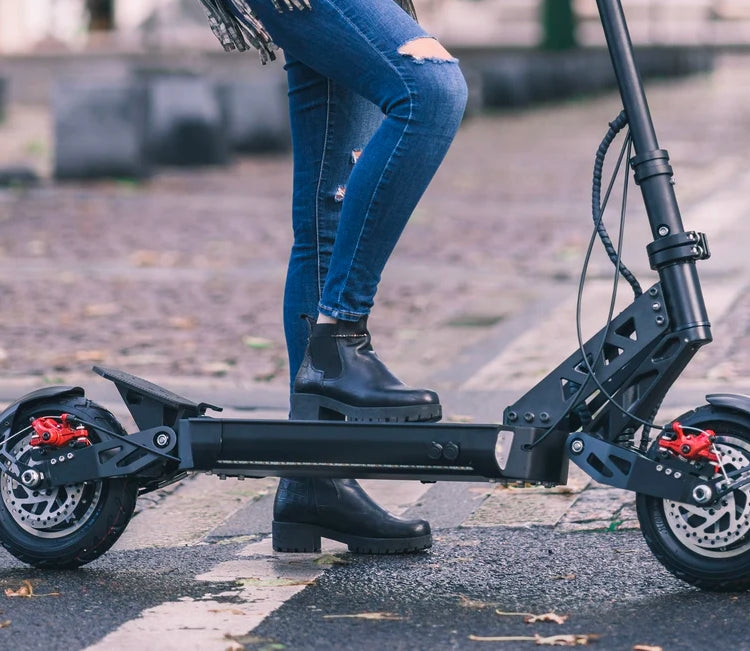
Les questions les plus posées sur la trottinette électrique
Voici les questions les plus posées par nos clients lors de l'achat de trottinette électrique adulte. Elles vous aideront aussi sûrement à faire votre choix dans l’achat d'un modèle de trottinette électrique.
Pour un budget de 500 euros, les meilleurs trottinettes électriques à moins de 500 euros seront uniquement faits pour circuler en ville. Notre choix porte sur la trottinette française Inöe Bloomy qui a l'avantage d'être plus résistante à la pluie que les autres produits sur le marché. Sinon une valeur sûre est la trottinette Inöe Bloomy 3 qui ne révolutionne pas le genre mais apporte un très bon rapport qualité-prix.
Plusieurs choix s’offrent à vous dans cette catégorie de prix.
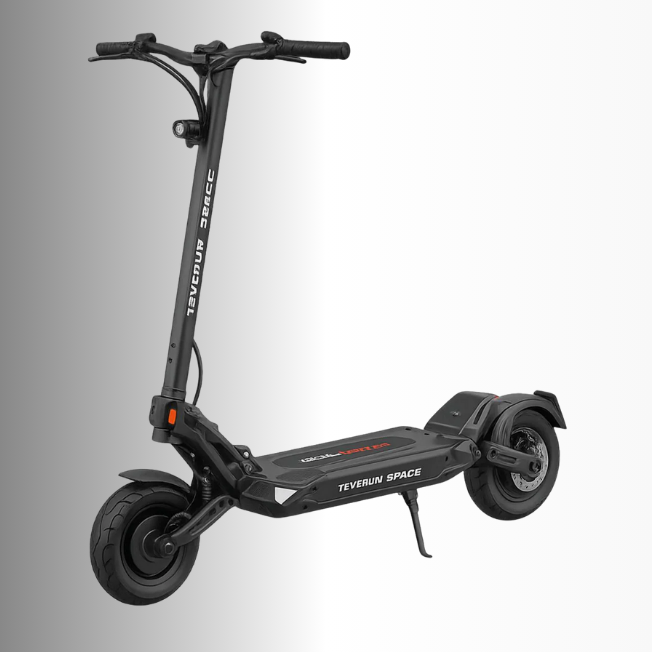
Pour la ville exclusivement, ou en complément de parcours en transport en commun, privilégiez la Teverun Space. Très maniable et agréable au quotidien grâce à son format compact, c’est une trottinette efficace en ultra-urbain. Son comportement dynamique et sa bonne stabilité en font une alliée idéale pour les trajets quotidiens.
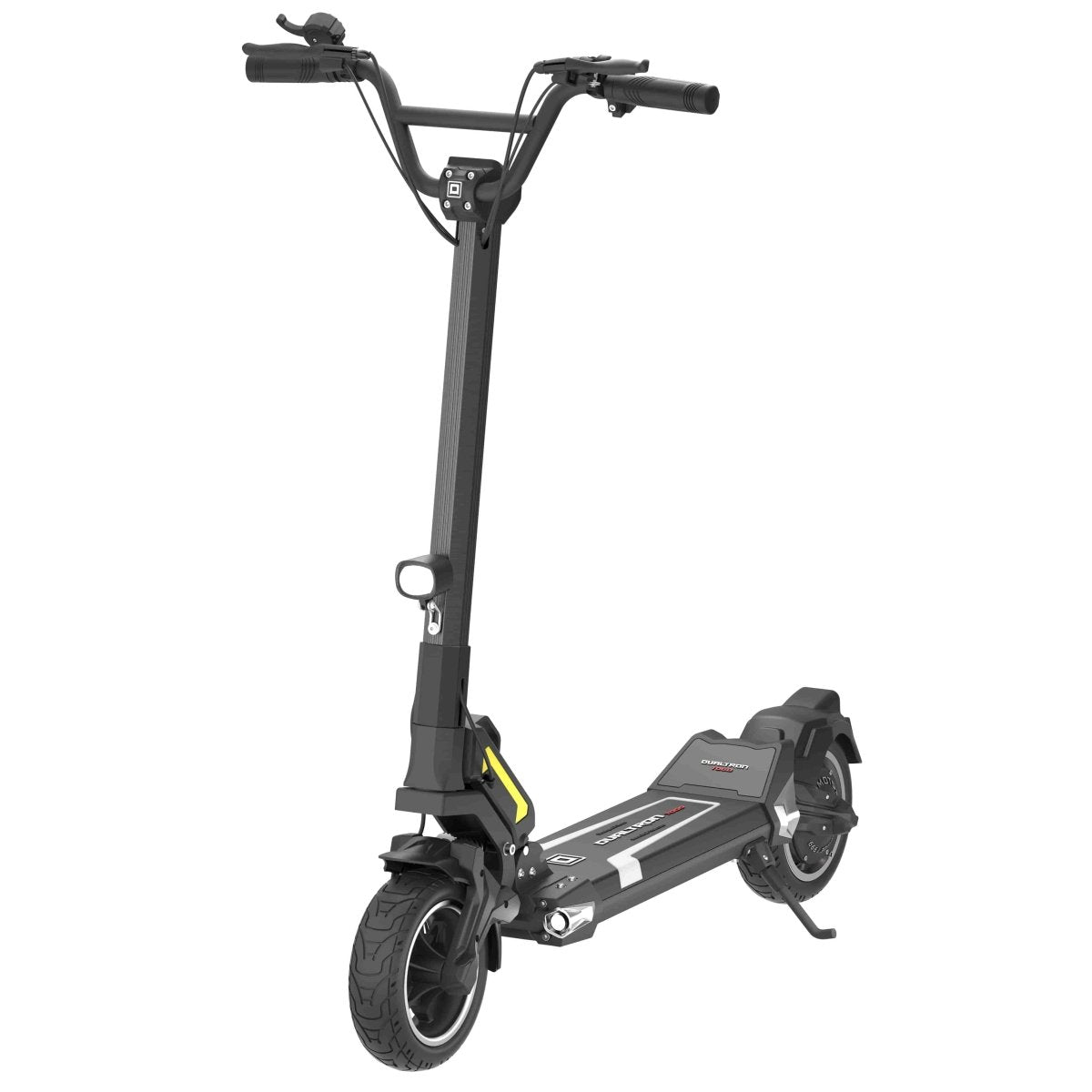
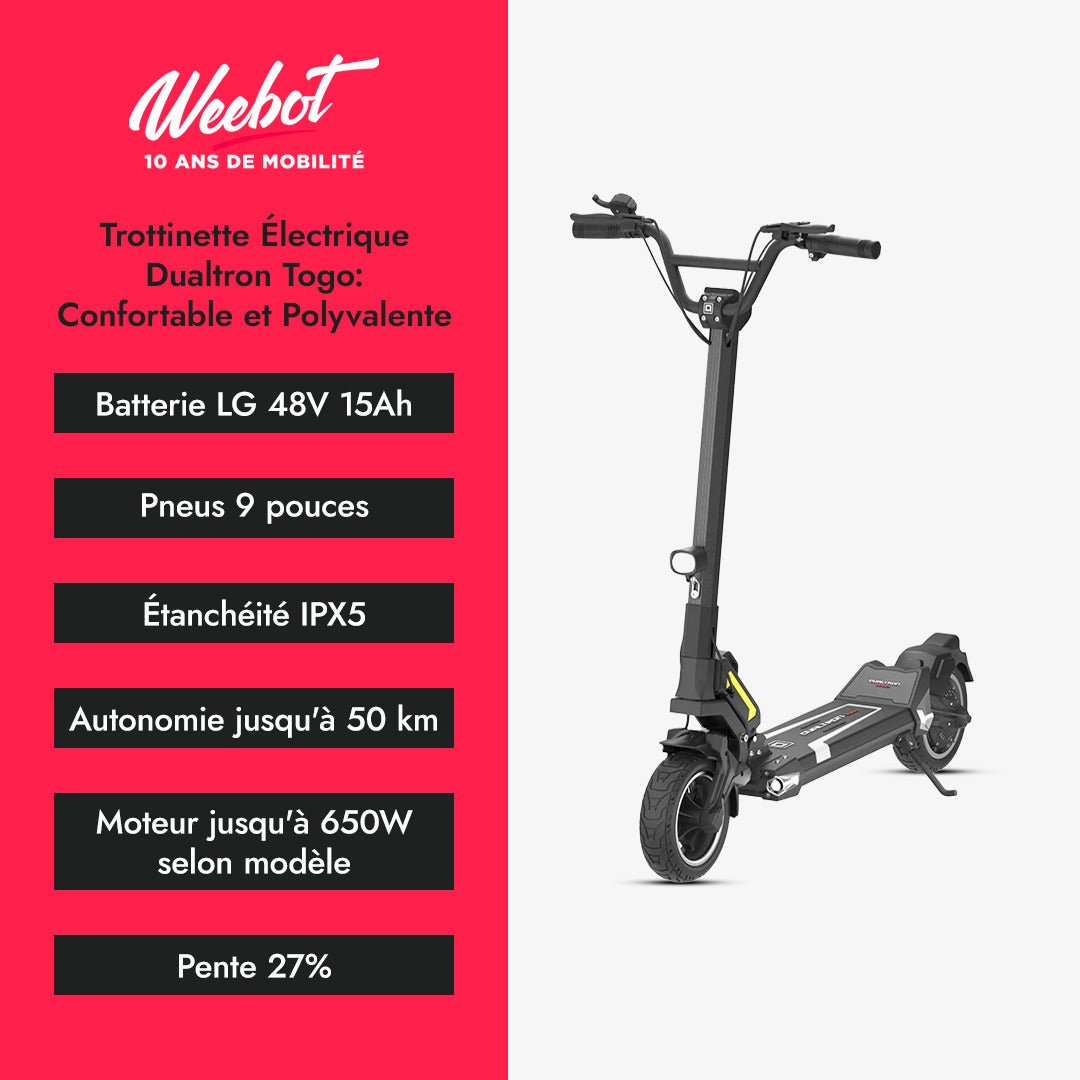
Sous la barre des 900 euros, Weebot vous conseille la Dualtron Togo Limited, un excellent compromis entre confort, freinage rassurant et polyvalence. C’est un modèle pertinent pour allonger les trajets, tout en gardant une trottinette facile à prendre en main et agréable à utiliser au quotidien.
Si vous recherchez la trottinette électrique la plus puissante autour de 1000 euros, il faut sans hésiter se tourner vers la Dualtron Aminia. Grâce à sa motorisation plus nerveuse et à ses performances au-dessus de la moyenne dans cette gamme de prix, elle offre des accélérations franches et des sensations proches de modèles plus haut de gamme.
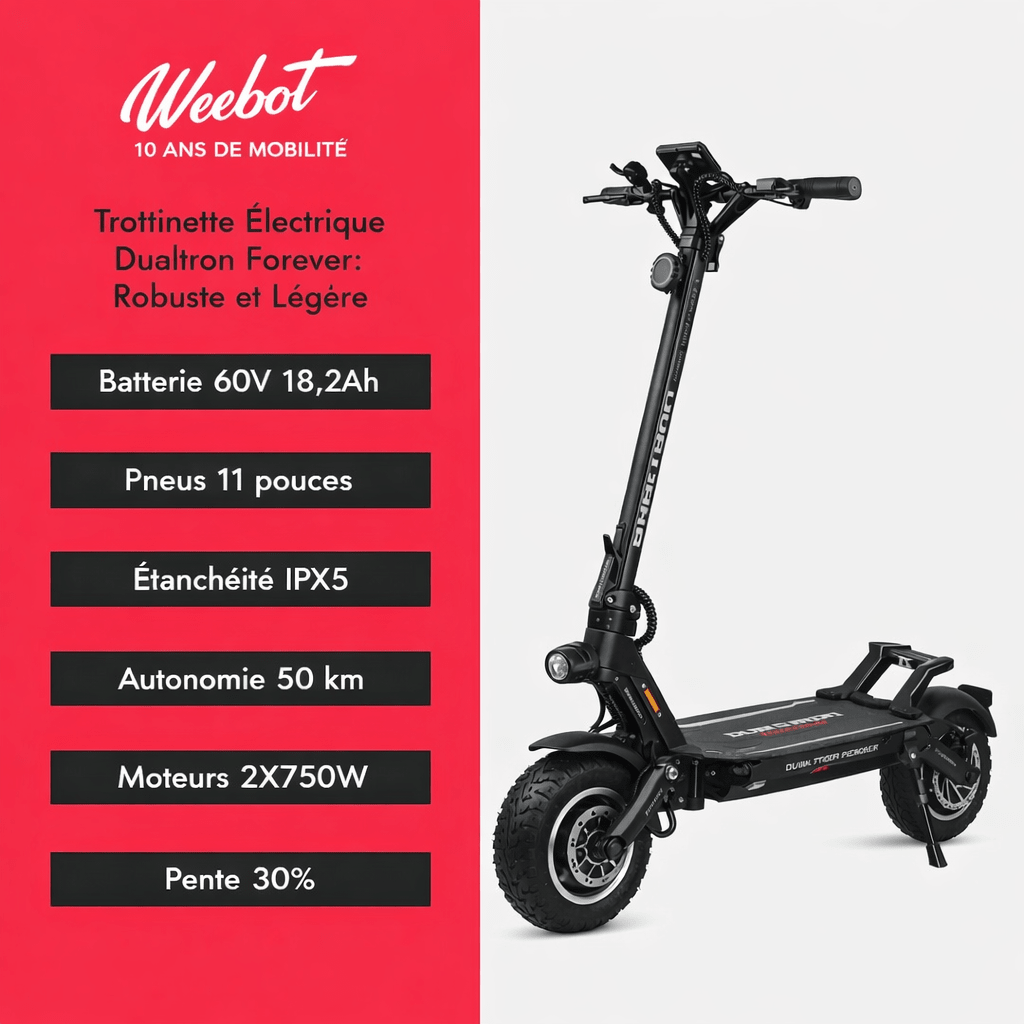
3 choix complètement différents dans cette catégorie de prix. En recherchant la trottinette électrique possédant le meilleur confort de conduite avec ses pneus 9 pouces et ses suspensions hyper souples, c'est la Dualtron Forever qu'il vous faut ! La trottinette la plus plébiscité par nos clients.
Pour les trajets urbains, la Teverun Blade Mini Pro est un des modèles les plus vendus en France. La version 21Ah apporte, en plus de son autonomie conséquente, l'ajout d'un second frein tambour pour plus de sécurité au freinage. Indispensable en 2024 !
Pour celles et ceux qui recherchent avant tout la championne de l'autonomie, c'est la Trottinette Électrique Dualtron Victor Luxury Plus qui remporte la mise avec sa batterie 28Ah offrant jusqu'à 95km d'utilisation.
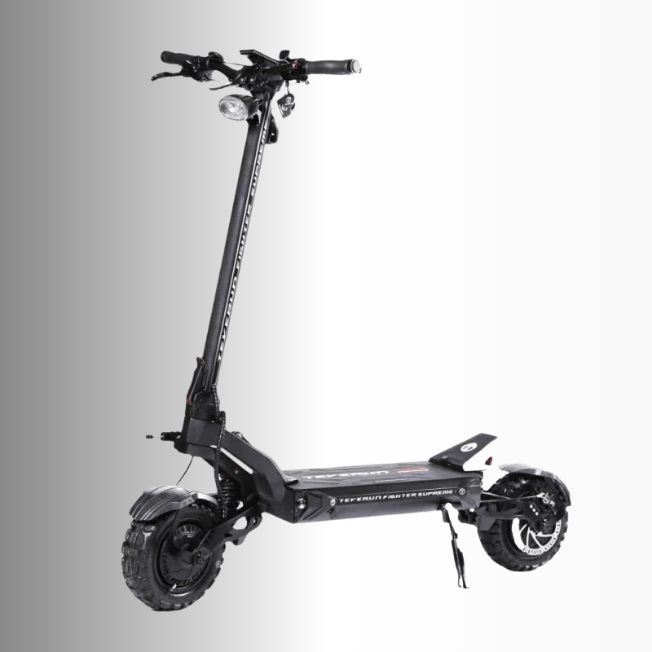
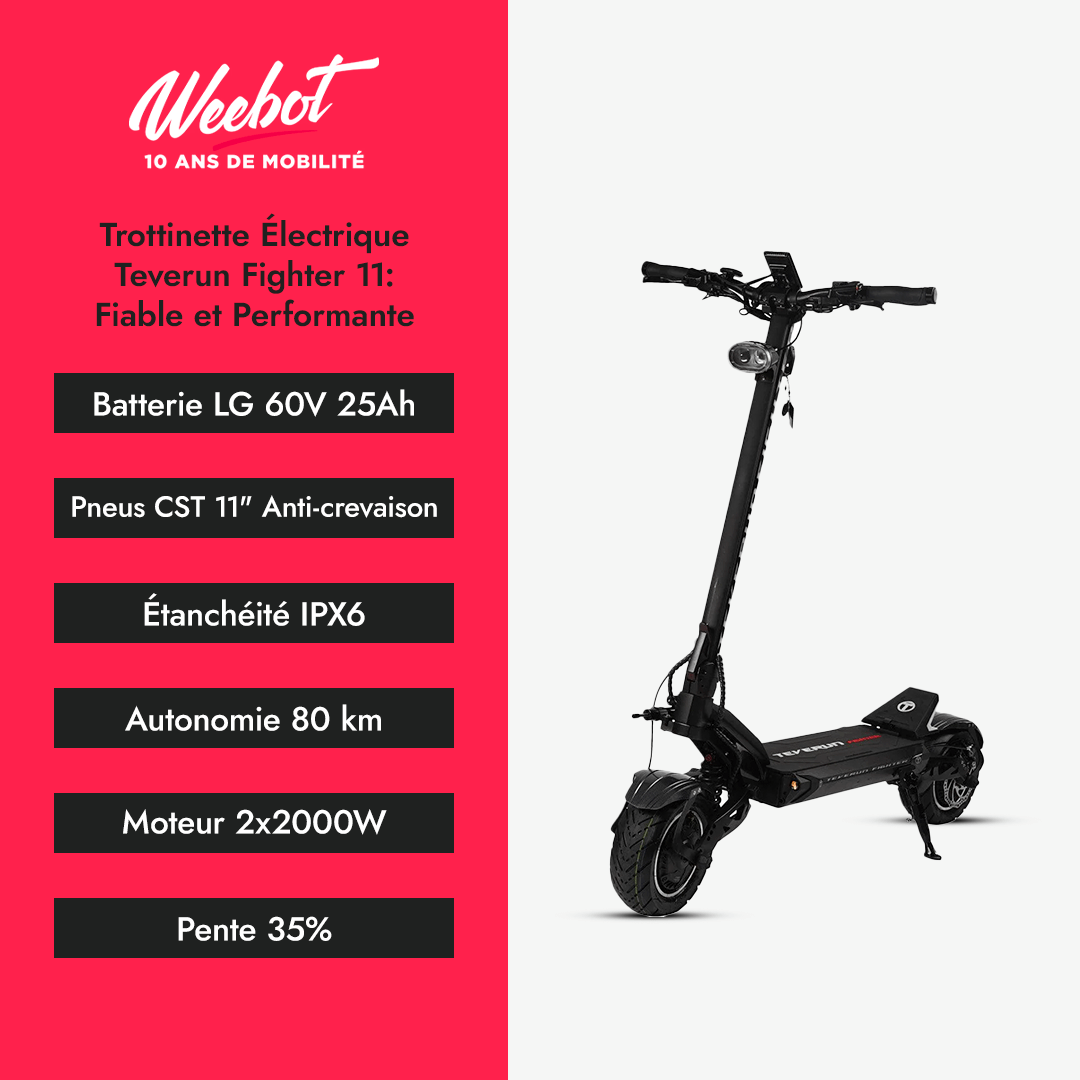
La Teverun Fighter 11 tire son épingle du jeu. La Trottinette Électrique Teverun Fighter 11 (2 290), nouveauté 2026, possède à la fois des freins hydrauliques et un système de double moteur. Au menu une vitesse de pointe de 85 km/h pour une énorme autonomie de 80 km. Le meilleur choix rapport qualité/prix pour un budget de 2000 à 2500€.
On considère une trottinette électrique comme légère lorsque son poids est inférieur à 17 kg. Si Xiaomi et ses trottinettes électriques ont ouvert la voie du succès grâce à leur poids d’environ 12kg, sachez que notre trottinette électrique la plus légère est la trottinette électrique Inöe Bloomy avec un poids de seulement 16,5 kg sur la balance comme nous l’avons vu dans notre top 5 de trottinette électrique légère.
A ce jour dans nos gamme de trottinette électrique puissante la plus rapide est la trottinette Électrique Teverun 7260R V4 avec une vitesse maximum atteignant les 110 km/h (rappel que sur la chaussée, la vitesse légale est de 25 km/h au mieux).
Tout dépends bien-sûr du modèle mais en général une batterie de trottinette électrique a une durée de vie de 1000 et 1500 cycles. Sur un modèle qui dispose d'une autonomie de 40km cela représente tout de même 1 à 1,5 fois le tour de la terre !
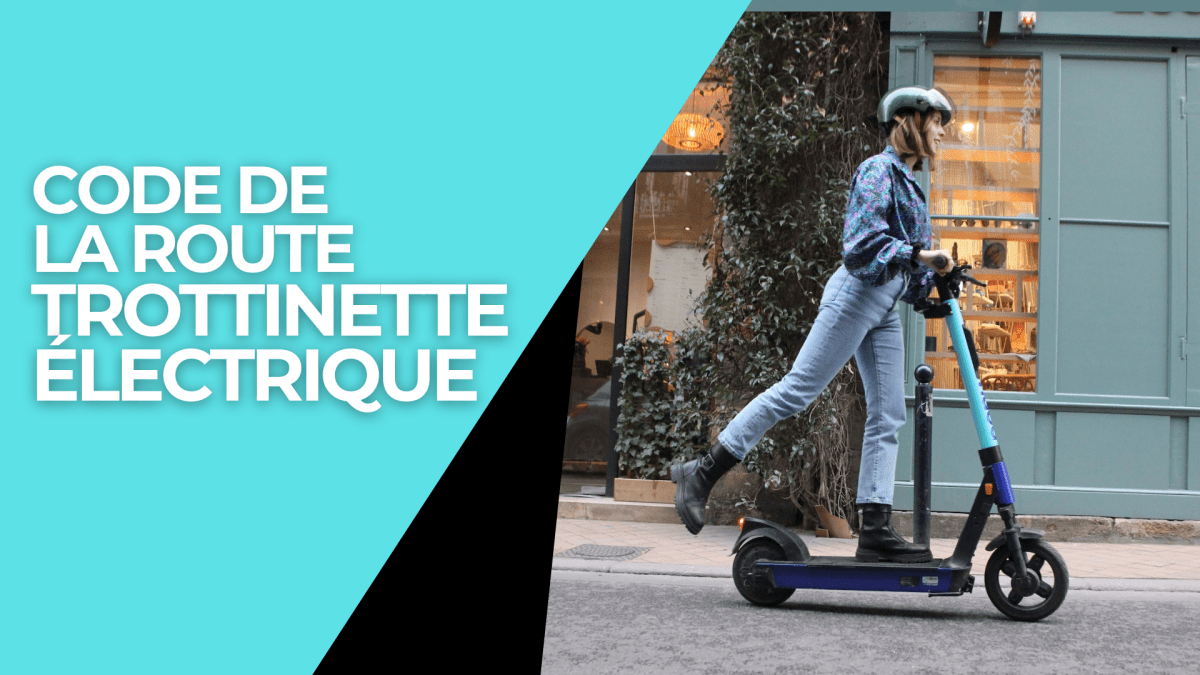
Si sur la route, la trottinette électrique doit circuler dans les couloirs de pistes cyclables (quand cela est possible) à la vitesse maximum de 25 km/h, emprunter les aires piétonnes ainsi que les trottoirs avec sa trottinette électrique n’est possible qu’à la vitesse maximum de 6 km/h.
Si vous avez déjà été victime de crevaison sur la route avec votre trottinette électrique, nous vous conseillons d’investir dans une trottinette électrique adulte avec pneus pleins dans le cas de la trottinette électrique légère, ou alors de pneus tubeless si vous désirez une trottinette électrique puissante. Vous pouvez toujours consulter notre article sur comment éviter les crevaisons en trottinette électrique qui répondra plus amplement à la question.
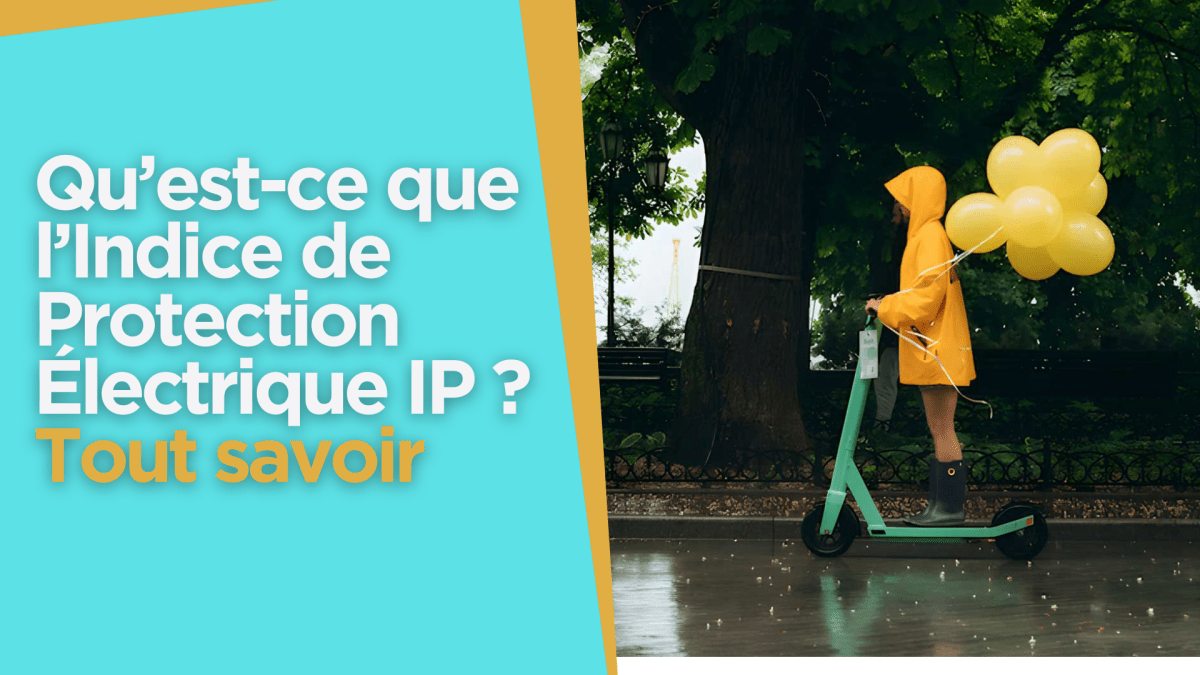
Les trottinettes électriques ne sont pas égales face au danger que représente l’eau. Si rouler sur une chaussée légèrement mouillée est généralement accessible à l’ensemble des trottinettes électriques, circuler sous la pluie est beaucoup plus périlleux. Certaines trottinettes électriques bénéficient d’une conception mieux résistante à l’eau comme nous l’avons signalé dans notre guide trottinette électrique étanche. La trottinette électrique la plus résistante à l'eau est à ce jour la Inöe Sweemie. Elle est équipée d'une batterie spécialement conçue pour résister à une immersion sous l'eau jusqu'à 1 mètre de profondeur.
Découvrez notre article dédié à ce sujet : Le casque est-il obligatoire en trottinette électrique ?
Pour rouler sur la chaussée, il n’est toujours pas obligatoire d’utiliser un casque en trottinette électrique adulte depuis la dernière législation de juillet 2020. Cependant nous ne pouvons que vous conseiller de vous en équiper, afin de rouler en toute sérénité d’autant que la majorité des blessures surviennent à la tête. Nous possédons dans notre boutique plusieurs modèles de casques pour trottinette électrique assurant protection mais aussi une meilleure visibilité sur la route grâce à certains modèles équipés de LED.
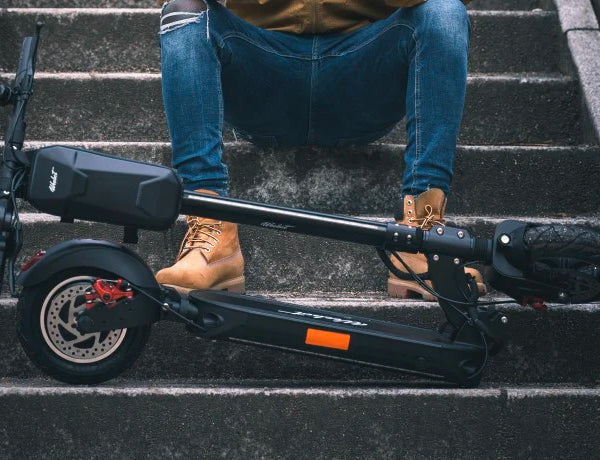
L’assurance est-elle obligatoire pour rouler en trottinette électrique adulte ?
Depuis juillet 2020 et la nouvelle loi passée pour l’utilisation de trottinettes électriques (et autres EDPM), il est obligatoire d'avoir une assurance responsabilité civile. Il est donc important de se rapprocher de son assurance trottinette électrique Weebot pour savoir si votre trottinette électrique bénéficie de cette couverture. À noter qu’une assurance spécifique ne couvre qu’un seul appareil. Si vous possédez chez vous plusieurs trottinettes électriques, il faut posséder autant d’assurances que de deux-roues utilisés. Pour aller plus loin, découvrez notre article complet sur la réglementation 2026 sur la trottinette électrique.
Guide Achat Trottinette Électrique
Après vous avoir expliqué pourquoi il est intéressant d'acheter une trottinette électrique, voyons ensemble quelques points importants pour beaucoup de nos clients. Que ce soit le prix, la puissance du moteur ou encore le style de patinette nous allons essayer de vous répondre.
Le prix d’une trottinette électrique varie selon de nombreux critères comme la marque, la puissance, la batterie et les différentes options que peut avoir une trottinette. On peut classer les modèles parmi 3 gammes :
- Les modèles d’entrée de gamme réservés aux petits déplacements du quotidien, pour lesquels il faudra compter 500 €.
- Pour un budget compris entre 500 et 1000 €, on retrouve des modèles plus performants et polyvalents qui vous permettront de faire des trajets plus longs.
- Enfin, si vous souhaitez acquérir un modèle haut de gamme, il faudra compter au moins 1000 € pour une trottinette qui disposera d’un équipement de qualité et qui offrira de très bonnes performances.
Vous pouvez acheter une trottinette électrique dans different endroit. Par exemple dans une grande surface. De nombreuses enseignes proposent des trottinettes électriques. L’avantage d’acheter sa trottinette en grande surface est la réputation de l’enseigne et la confiance que vous pourrez lui accorder. Ensuite, vous pouvez vous rendre dans un magasin spécialisé en mobilité électrique pour l’achat de votre véhicule. Vous serez reçu par un spécialiste qui pourra répondre à toutes vos questions et vous proposer un modèle adapté à vos besoins. Enfin, si vous souhaitez acheter votre trottinette électrique en ligne, vous pouvez vous rendre directement sur un site e-commerce spécialisé comme Weebot. Vous y retrouverez le détail précis des modèles et différents guides pour identifier vos besoins et les réponses à vos questions.
La réglementation 2024 a fixé à 14 ans l’âge minimum pour faire de la trottinette électrique. Cette limite a été fixée pour garantir la sécurité des plus jeunes sur la route. En effet, les autorités estiment qu’un jeune de 14 ans n’a pas encore acquis la maturité nécessaire pour anticiper tous les dangers et adopter une conduite responsable. L’âge minimum était d’abord fixé à 12 ans avant d’être changé récemment. Attention, si vous souhaitez faire de la trottinette électrique avec un passager, c’est strictement interdit par la loi, même si ce dernier est âgé de plus de 14 ans. Pour plus d’information concernant l’âge pour rouler en trottinette électrique et la réglementation 2026, retrouvez notre article dédié : Quel âge pour rouler en trottinette électrique en France ?
La sécurité en e-trottinette reste essentielle. Les modèles légers utilisent souvent un freinage électromagnétique intégré au moteur, suffisant pour des vitesses jusqu’à 25 km/h. Sur les trottinettes plus puissantes, ce système peut être complété par un frein tambour agissant sur la roue avant ou arrière afin de réduire les distances d’arrêt. Si celles-ci s’allongent, un simple resserrage du câble peut suffire. Le système le plus performant reste le frein à disque (hydraulique ou à câble) : des plaquettes mordent un disque métallique pour un freinage efficace. Faciles à remplacer et peu coûteuses, elles prolongent la sécurité du système.
Comparatif Trottinette Électrique 2026
Voici un comparatif des trottinettes électriques adultes vendues dans notre boutique Weebot pour vous aider à choisir sa trottinette. Que ce soit en utilisation urbaine exclusivement, pour prendre les transports en commun avec, nous avons forcément la trottinette électrique qui répond à vos critères de sélection.
Si vous souhaitez avoir des détails plus précis sur les différences entre les modèles nous vous invitons à lire notre article de blog qui est un Comparatif des meilleures ventes de trottinettes électriques en 2026
La Weebot Anoki a d'ailleurs été élue meilleures trottinettes électriques pour la ville. Répondant à la fois aux critères du poids, du confort, de la sécurité, sur le rapport qualité-prix et aussi mais surtout de la fiabilité !
Les différentes trottinettes électriques ne roulent pas à la même vitesse. En moyenne une trottinette électrique va de 25 km/h à 35 km/h.
- Trottinette Electrique Dualtron Thunder 3
- Trottinette Electrique Teverun Fighter 11
- Trottinette Electrique Trottinette Électrique Dualtron X Limited
- Trottinette Electrique Teverun Fighter 11 Plus
- Trottinette Electrique Dualtron Aminia
Comme pour la vitesse, l'autonomie d'une trottinette électrique est aussi très variable. Une trottinette électrique peut rouler entre 20 km 35 km et 200 km car il faut prendre en compte le poids de l'utilisateur.
Voici notre top 10 trottinette électrique en terme d'autonomie :
- Trottinette Electrique Dualtron Storm LTD
- Trottinette Electrique Dualtron Achilleus
- Trottinette Electrique Dualtron Pop
- Trottinette Electrique Dualtron Victor
- Trottinette Electrique Teverun Blade Mini Ultra
Si vous êtes un fan de off-road et de sensations fortes vous pouvez opter pour un modèle adapté à cette pratique.
Ce type de trottinette électrique cross est parfait pour rouler sur les chemins, les terrains privés ou même en forêt.
Voici notre top 5 trottinette électrique cross :
- Trottinette Electrique Dualtron thunder 3
- Trottinette Electrique Teverun Fighter 11 Plus
- Trottinette Electrique Teverun Fighter Supreme Plus
- Trottinette Electrique Dualtron Victor
- Trottinette Electrique Teverun Blade Mini Ultra
Voici notre Top 5 de trottinettes électriques légères :
- Trottinette Electrique Inöe Bloomy 3
- Trottinette Electrique Dualtron Forever
- Trottinette Electrique F3 Pro E Ninebot by Segway
- Trottinette Electrique Etwow GTS
- Trottinette Electrique Dualtron Togo
Que ce soit par email à l'adresse contact@wee-bot.com ou par téléphone au 01.80.89.45.52, nous sommes disponibles pour répondre à toutes vos interrogations à propos de votre trottinette électrique. Aussi bien pour un conseil d'achat, mais aussi apporter une solution technique après votre achat.
Lors de votre achat de trottinette électrique chez Weebot, vous possédez une garantie contre la casse des pièces, si votre produit était défectueux. Nous organisons la récupération de votre trottinette depuis chez vous, pour l'amener dans notre Services Center de Groslay.
Dès lors, si vous habitez non loin, vous pouvez amener directement votre deux roues afin de vous fournir rapidement un diagnostic sur la panne. Un service haut de gamme que ne proposent pas nos concurrents.
Vous avez récemment consulté
Actualités Trottinette électrique
Tout voir